Unlock deeper rest and rejuvenation with effective sleep optimization techniques for a vibrant life.
Many people struggling with restless nights feel trapped in a cycle of exhaustion, unable to function at their best during the day. The frustration of tossing and turning, paired with the constant worry about the long-term effects of poor sleep, can weigh heavily on both mind and body. In their search for sleep optimization, they yearn for a solution that not only helps them find rest but also restores their vitality and clarity, allowing them to embrace life fully once again.
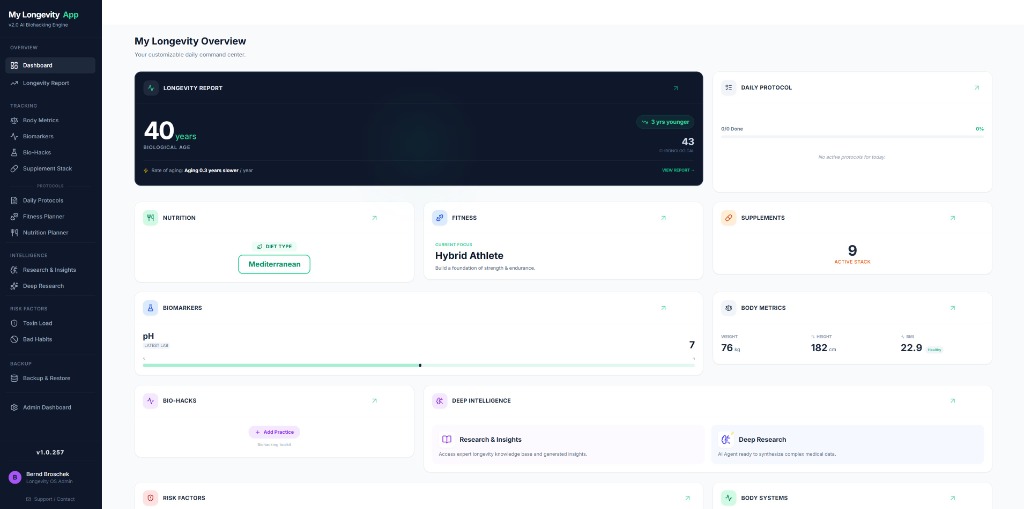
Advanced biohacking tools at your fingertips.
10 integrated modules working together.
Create your account in 30 seconds. No credit card required.
Upload blood work, track body metrics, or start with our AI questionnaire.
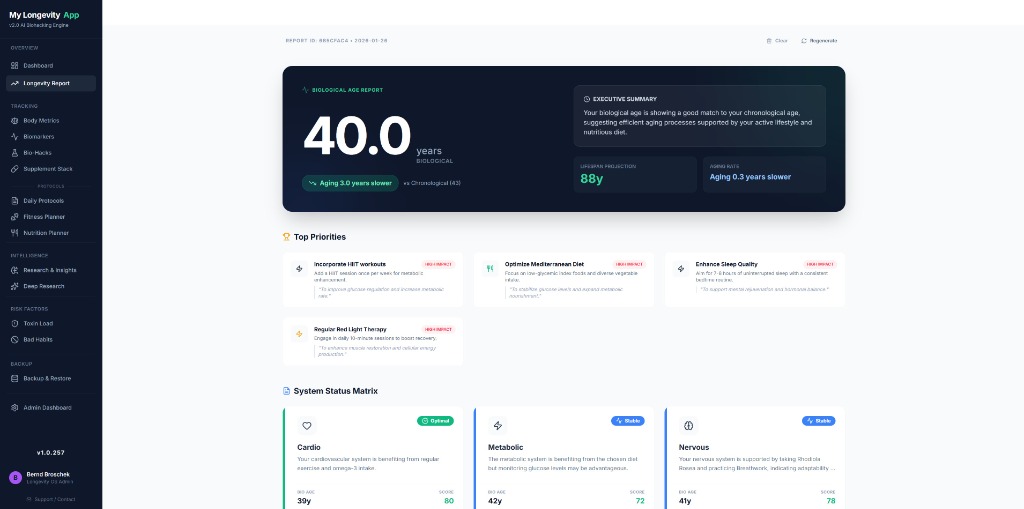
Receive your biological age score, personalized reports, and action plan.
Choose the plan that fits your biohacking journey.
Maintain a regular bedtime and wake-up time to enhance sleep quality and support sleep optimization.
Create a dark, cool, and quiet bedroom to promote restful sleep and facilitate sleep optimization.
Reduce screen time at least an hour before bed to improve melatonin production and aid sleep optimization.
Join thousands of biohackers optimizing their health.
"MyLongevityApp helped me lower my biological age by 5 years. The biomarker tracking is a game-changer."
"Finally one app that combines supplements, blood work, and daily protocols. I love the weekly planner."
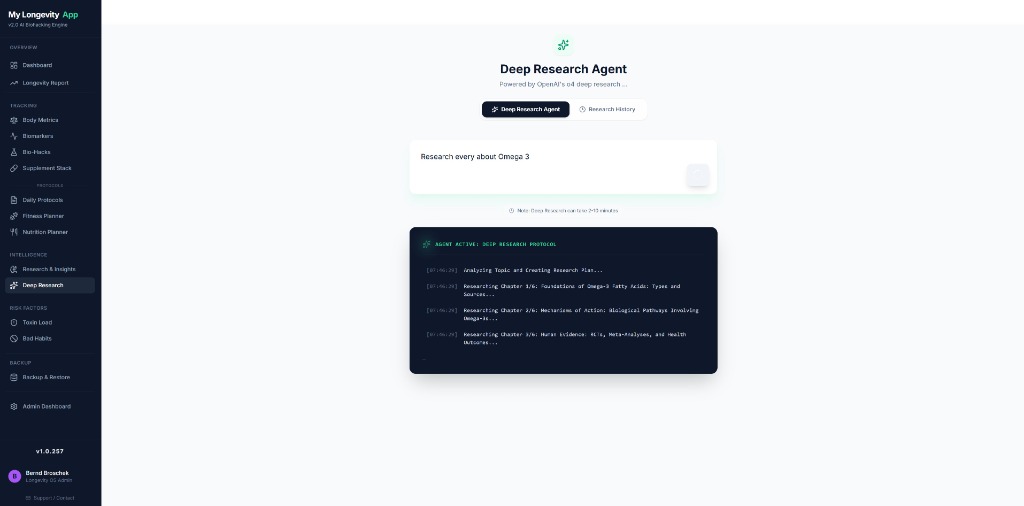
"The AI research agent alone is worth the subscription. It saves me hours of reading every week."
Improving sleep quality is crucial for overall health and longevity. Implementing specific lifestyle changes can significantly enhance sleep optimization, allowing individuals to wake up more refreshed and energized.
One of the most effective strategies is establishing a consistent sleep schedule. Going to bed and waking up at the same time each day helps regulate the body’s internal clock. This consistency can improve sleep quality and make it easier to fall asleep and stay asleep. Additionally, creating a bedtime routine that includes relaxing activities, such as reading or practicing mindfulness, can signal to your body that it’s time to wind down.
The sleep environment also plays a vital role in sleep quality. Ensuring that your bedroom is cool, dark, and quiet can enhance comfort and promote deeper sleep. Investing in a high-quality mattress and pillows that support your sleeping position is equally important. Reducing exposure to screens before bedtime is crucial; the blue light emitted by phones, tablets, and computers can interfere with melatonin production, making it harder to fall asleep.
Nutrition and physical activity should not be overlooked. A balanced diet rich in whole foods can support better sleep, while regular exercise can help regulate sleep patterns. However, it’s advisable to avoid vigorous workouts close to bedtime, as they may have the opposite effect.
For those seeking a more tailored approach to health and sleep optimization, platforms like MyLongevityApp can provide personalized insights based on individual habits and needs. Prioritizing these lifestyle changes can lead to profound improvements in sleep quality and overall health, allowing for a more vibrant and energetic life.
Start by setting a regular sleep schedule tonight and gradually incorporate other changes to notice significant improvements in your sleep and well-being.
The sleep cycle plays a crucial role in cognitive function and longevity. It consists of stages, including REM (rapid eye movement) and non-REM sleep, each serving distinct purposes. During deep sleep, the body repairs tissues, releases growth hormones, and consolidates memories, which is vital for cognitive efficiency. Disruptions to this cycle can lead to impaired memory, reduced creativity, and decreased decision-making skills. Moreover, chronic sleep deprivation is associated with various health issues, including obesity, diabetes, and cardiovascular diseases, all of which can shorten lifespan.
To enhance sleep quality and cognitive performance, sleep optimization strategies are essential. Establishing a consistent sleep schedule helps regulate the body's internal clock, making it easier to fall asleep and wake up refreshed. Creating a conducive sleep environment—dark, cool, and quiet—also promotes better sleep. Limiting exposure to screens before bed can reduce blue light interference, which disrupts melatonin production, further aiding in the transition to sleep.
Mindfulness practices or gentle stretching before bedtime can calm the mind and prepare the body for rest. Tools like MyLongevityApp can also provide valuable insights into your sleep patterns, helping you identify areas for improvement and track progress over time.
Implementing these strategies can significantly improve both cognitive function and overall longevity. Start by committing to a regular sleep schedule and gradually introduce other optimization techniques to experience a more restorative sleep cycle.
Creating a conducive sleep environment is essential for sleep optimization, as it directly influences the quality and duration of rest. Several key elements contribute to a restful sleep atmosphere, each playing a pivotal role in enhancing sleep quality.
First, light control is crucial. Our bodies are highly sensitive to light, which can interfere with the natural circadian rhythm. Ideal sleeping conditions involve keeping the room dark, using blackout curtains or eye masks to block out external light sources. Additionally, minimizing the use of screens before bed can further support melatonin production, promoting a more restful sleep.
Temperature is another critical factor. The optimal sleep environment is typically cool, with studies suggesting that a bedroom temperature of around 60-67°F (15-19°C) is most conducive to sleep. A cooler room can facilitate the body’s natural drop in core temperature, signaling that it’s time to rest. Utilizing breathable bedding materials and adjusting the thermostat can help achieve this ideal setting.
Sound plays a significant role as well. A quiet environment is preferable, but not everyone can achieve complete silence. In such cases, white noise machines or calming sounds can mask disruptive noises, aiding in deeper sleep. Personal preferences for sound can vary, so experimenting with different options may be beneficial.
Finally, the choice of bedding and mattress cannot be overlooked. A comfortable mattress that suits your sleep style, along with supportive pillows, can significantly enhance the quality of sleep. MyLongevityApp offers insights into personalizing your sleep environment based on your specific needs and preferences.
Prioritizing these elements can lead to substantial improvements in sleep quality. Start by evaluating your current sleep environment and make adjustments based on these recommendations to enhance your overall well-being.
Sleep optimization is a critical aspect of health and wellbeing, particularly for those engaged in biohacking. Numerous dietary choices and supplements have been studied for their ability to enhance sleep quality, which can significantly impact both physical and cognitive performance.
One of the most well-researched dietary choices is magnesium. This essential mineral plays a vital role in regulating neurotransmitters that promote sleep. Foods rich in magnesium, such as leafy greens, nuts, seeds, and whole grains, can help facilitate a more restful night. Additionally, incorporating tryptophan-rich foods like turkey, bananas, and dairy can increase serotonin levels, which are crucial for melatonin production, the hormone responsible for regulating sleep cycles.
Supplements can also play a significant role in sleep optimization. Melatonin is perhaps the most popular sleep aid; it helps to regulate the sleep-wake cycle and can be particularly beneficial for those with irregular schedules. Other supplements worth considering include valerian root, known for its sedative properties, and L-theanine, an amino acid found in green tea that promotes relaxation without drowsiness.
For those serious about biohacking their sleep, tracking dietary choices and sleep patterns through apps like MyLongevityApp can provide insights into what works best for individual needs. By logging food intake and sleep quality, users can identify specific nutrients or habits that enhance their rest.
To improve sleep quality, focus on incorporating magnesium-rich foods, tryptophan sources, and consider targeted supplements like melatonin or valerian root. Establishing a consistent routine and monitoring your progress can lead to better sleep optimization and overall health improvement.
Engaging in physical activity is a powerful strategy for enhancing sleep quality, but the timing of your workouts can significantly influence sleep optimization. Research indicates that the best time to exercise largely depends on individual preferences and schedules. However, many experts recommend aiming for moderate to vigorous workouts during the late afternoon or early evening. This timing aligns well with the body's natural circadian rhythms, potentially improving sleep onset and overall sleep quality.
Exercising too close to bedtime can be counterproductive for some people. High-intensity workouts can elevate heart rate and body temperature, making it difficult to wind down. Conversely, morning or early afternoon workouts can help regulate your sleep-wake cycle, promoting alertness during the day and encouraging a more restful night. Light exercises, such as yoga or stretching, are often suitable options in the evening, as they can promote relaxation without overstimulation.
Incorporating a structured fitness routine can also benefit those tracking their longevity and health goals. MyLongevityApp offers a platform to monitor your exercise habits and their impact on your sleep patterns, allowing for personalized adjustments that support optimal rest.
To maximize sleep optimization, aim to establish a consistent exercise schedule that aligns with your lifestyle. Experiment with workout timings to find what works best for you. If you notice improved sleep quality after evening workouts, stick with it; if not, consider shifting to earlier sessions. Prioritizing this balance can enhance both your physical health and overall well-being.
Join 10,000+ biohackers optimizing their health with AI.
Start Your 7-Day Free TrialNo credit card required. Cancel anytime.