Transform your sleep hygiene to boost energy, focus, and overall well-being each day.
Many people struggle with the overwhelming frustration of sleepless nights, often feeling trapped in a cycle of exhaustion that seeps into every aspect of their lives. The quest for better sleep can feel daunting, as anxiety over restlessness and fatigue mounts, affecting mood, productivity, and overall well-being. In this search, individuals often discover the importance of sleep hygiene, realizing that small changes in their nightly routines could be the key to reclaiming the restorative sleep they desperately need.
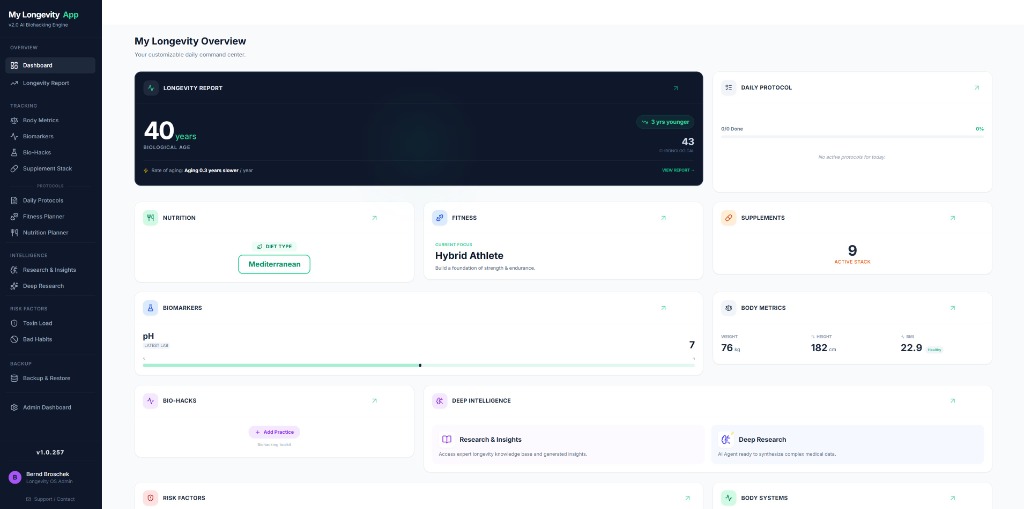
Advanced biohacking tools at your fingertips.
10 integrated modules working together.
Create your account in 30 seconds. No credit card required.
Upload blood work, track body metrics, or start with our AI questionnaire.
Receive your biological age score, personalized reports, and action plan.
Choose the plan that fits your biohacking journey.
Maintain a regular sleep routine by going to bed and waking up at the same time daily to enhance your sleep hygiene.
Reduce exposure to screens at least an hour before bedtime to improve your sleep hygiene and promote better rest.
Ensure your bedroom is cool, dark, and quiet to support optimal sleep hygiene and help you fall asleep faster.
Join thousands of biohackers optimizing their health.
"MyLongevityApp helped me lower my biological age by 5 years. The biomarker tracking is a game-changer."
"Finally one app that combines supplements, blood work, and daily protocols. I love the weekly planner."
"The AI research agent alone is worth the subscription. It saves me hours of reading every week."
Enhancing sleep hygiene is essential for improving overall sleep quality and, by extension, supporting longevity. Incorporating specific practices into your daily routine can help create an environment conducive to restful sleep.
First, establish a consistent sleep schedule by going to bed and waking up at the same time every day, even on weekends. This regulates your body's internal clock, making it easier to fall asleep and wake up naturally. Pair this with a calming bedtime routine that signals to your body it's time to wind down. Activities such as reading, gentle stretching, or practicing mindfulness can be effective.
Creating a sleep-friendly environment is also crucial. Keep your bedroom dark, quiet, and cool. Consider blackout curtains and earplugs or white noise machines to minimize interruptions. Additionally, limit exposure to screens at least one hour before bedtime, as the blue light emitted by devices can interfere with the production of melatonin, the hormone responsible for sleep.
Nutrition plays a significant role in sleep hygiene. Avoid caffeine and heavy meals close to bedtime, as they can disrupt your ability to fall asleep. Instead, opt for light snacks that include sleep-promoting nutrients, such as magnesium and tryptophan.
Monitoring your sleep patterns can also offer valuable insights. Using tools like MyLongevityApp, you can track your sleep quality, identify trends, and make adjustments to your routine based on the data collected.
Implementing these practices can significantly enhance your sleep hygiene. Start with setting a consistent sleep schedule and creating a relaxing bedtime routine to improve your sleep quality and overall well-being.
The environment in which one sleeps plays a crucial role in maintaining optimal sleep hygiene. Factors such as light exposure, noise levels, temperature, and even the quality of bedding can significantly affect the ability to fall asleep and stay asleep. A dark, quiet room with a comfortable mattress and pillows promotes deeper sleep cycles, contributing to overall health and longevity. Conversely, disturbances like street noise or excessive light can trigger stress responses, leading to fragmented sleep and, over time, increased health risks.
To optimize your sleeping environment, start by assessing the bedroom's darkness. Consider blackout curtains or an eye mask to block external light sources. Additionally, reduce noise with soundproofing measures, such as earplugs or white noise machines, which can help create a more tranquil atmosphere. The room's temperature should ideally be cool, as studies indicate that a cooler environment fosters better sleep quality. Aim for a temperature between 60-67°F (15-19°C) to facilitate natural body temperature regulation during sleep.
Investing in high-quality bedding is another essential element of sleep hygiene. Choose a mattress that supports your preferred sleeping position and pillows that align your neck properly. Finally, consider incorporating plants known for air purification, as they can enhance both air quality and the aesthetic appeal of your bedroom.
For those looking to track and improve their sleep hygiene, MyLongevityApp offers features that help monitor sleep patterns and provide personalized recommendations. Implementing these changes can lead to more restful nights and better overall health, making it easier to wake up refreshed and ready to tackle the day.
Maintaining a consistent sleep schedule is crucial for effective sleep hygiene, as it helps regulate the body's internal clock, also known as the circadian rhythm. This biological clock governs various physiological processes, including sleep-wake cycles, hormone release, and metabolism. When individuals adhere to a regular sleep schedule, they promote better sleep quality and duration, facilitating deeper restorative sleep phases. This consistency not only enhances cognitive function but also supports emotional well-being and overall health.
Irregular sleep patterns can lead to a host of negative consequences. Disrupted sleep can diminish the quality of rest, resulting in fatigue, decreased concentration, and impaired decision-making abilities. Furthermore, inconsistent sleep habits can elevate stress levels, increase the risk of chronic conditions such as obesity and diabetes, and compromise the immune system. Research has shown that erratic sleep can lead to mood disorders, including anxiety and depression, which can further perpetuate a cycle of poor sleep and health outcomes.
To improve sleep hygiene, it is essential to establish a regular bedtime and wake-up time, even on weekends. This practice helps signal to the body when it is time to sleep, making it easier to fall asleep and wake up feeling refreshed. Incorporating tools like MyLongevityApp can assist in tracking sleep patterns and identifying areas for improvement.
Prioritize a consistent sleep schedule by setting aside time for wind-down activities before bedtime, such as reading or meditative practices. This proactive approach can foster healthier sleep habits and contribute significantly to overall longevity and well-being.
Dietary choices and lifestyle habits significantly influence sleep hygiene, which is essential for overall health and longevity. To promote better rest, it’s important to focus on what you consume and how you manage your daily routine.
Certain foods can enhance sleep quality. Incorporating complex carbohydrates, like whole grains, can help increase the availability of tryptophan, a precursor to melatonin. Foods rich in magnesium, such as almonds and spinach, also contribute positively by promoting relaxation. On the other hand, high caffeine intake and heavy meals close to bedtime can disrupt sleep. It's advisable to limit caffeine consumption in the afternoon and to opt for lighter meals in the evening.
Lifestyle habits are equally crucial in fostering good sleep hygiene. Establishing a consistent sleep schedule by going to bed and waking up at the same time daily helps regulate the body's internal clock. Engaging in regular physical activity can also promote deeper sleep, but it's best to avoid vigorous exercise right before bedtime. Additionally, creating a calming pre-sleep routine, such as reading or practicing mindfulness, can signal to your body that it’s time to wind down.
For those seeking to optimize their sleep hygiene further, tools like MyLongevityApp can be valuable. This app allows users to track their sleep patterns and identify factors affecting their rest, providing personalized insights for improvement.
To enhance your sleep hygiene, prioritize a balanced diet focused on sleep-supportive nutrients and establish a consistent nightly routine that promotes relaxation. Small adjustments can lead to significant improvements in sleep quality and overall well-being.
Sleep hygiene is essential for maintaining overall well-being, but there are times when individuals may still encounter persistent sleep issues despite adhering to best practices. When simple methods such as maintaining a consistent sleep schedule, creating a comfortable sleep environment, and reducing screen time before bed fail to yield improvements, it may be time to seek professional assistance.
Several signs can indicate that a deeper problem may exist. If you regularly find it difficult to fall asleep or stay asleep, or if you experience excessive daytime sleepiness despite getting what you believe is adequate rest, these could be red flags. Additionally, if your sleep disruptions are accompanied by mood changes, anxiety, or difficulty concentrating, it may suggest an underlying condition that requires attention. Sleep disorders such as insomnia, sleep apnea, or restless leg syndrome often require more than just good sleep hygiene to resolve.
Using tools like MyLongevityApp can help you track your sleep patterns and identify any correlations with lifestyle factors. This data can be invaluable when discussing your sleep issues with a healthcare professional.
If you notice any of these concerning signs, consider scheduling an evaluation with a sleep specialist. They can conduct a thorough assessment and recommend appropriate tests or treatments tailored to your specific situation. Taking proactive steps to address sleep issues can enhance your overall health and longevity. Prioritizing your sleep is vital; don’t hesitate to seek help when your efforts at home are not enough.
Join 10,000+ biohackers optimizing their health with AI.
Start Your 7-Day Free TrialNo credit card required. Cancel anytime.