"Stay organized and achieve your fitness goals with our streamlined weekly planner."
Many individuals striving for longevity often feel overwhelmed by the sheer volume of fitness information available, leaving them unsure of how to create a sustainable routine. The struggle to balance exercise with daily responsibilities can lead to frustration and a sense of defeat. This is where a fitness protocol weekly planner can make a transformative difference, providing clarity and structure to guide them toward their health goals with confidence and ease.
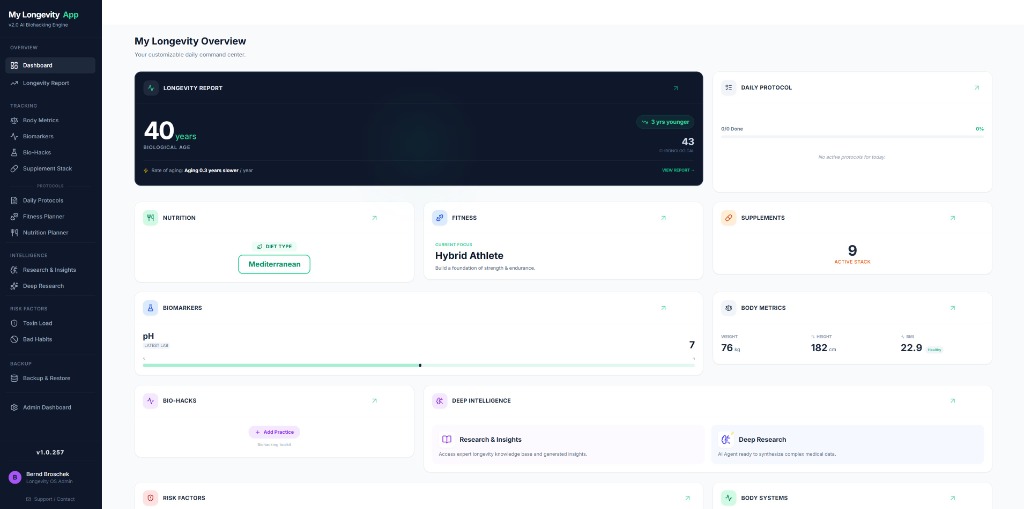
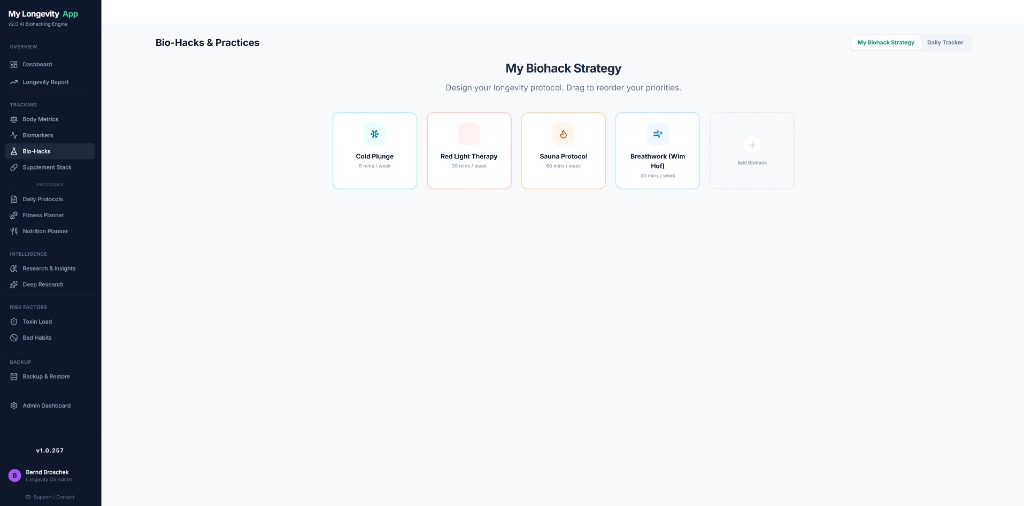
Advanced biohacking tools at your fingertips.
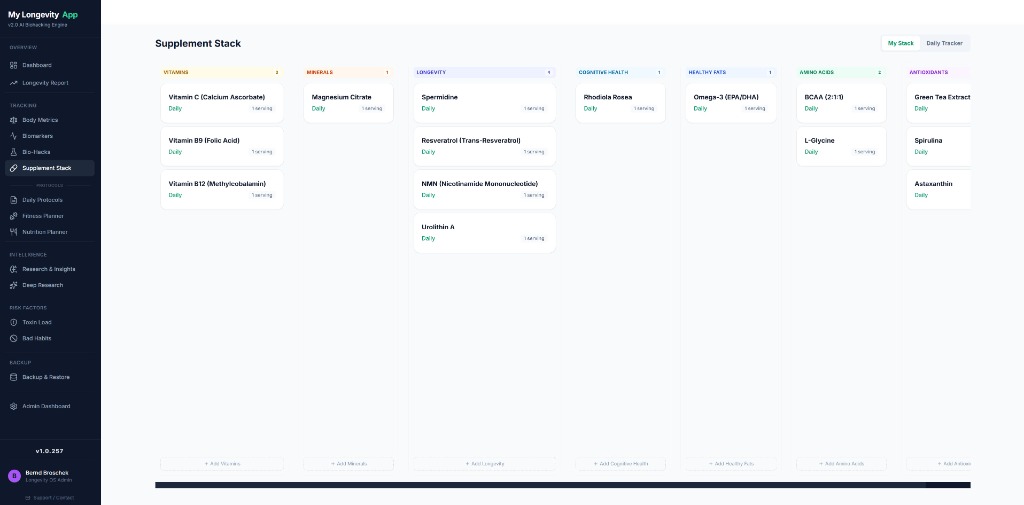
10 integrated modules working together.
Create your account in 30 seconds. No credit card required.
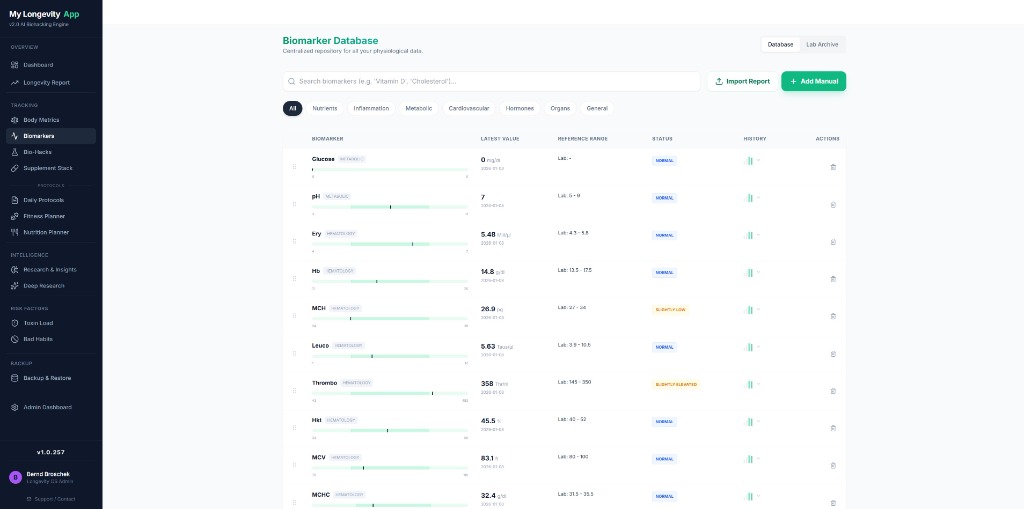
Upload blood work, track body metrics, or start with our AI questionnaire.
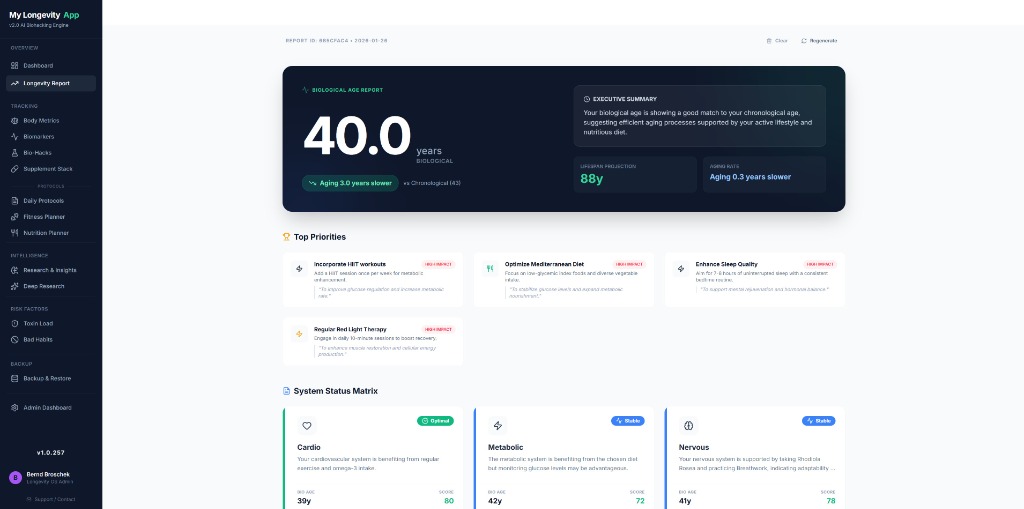
Receive your biological age score, personalized reports, and action plan.
Choose the plan that fits your biohacking journey.
Define specific fitness objectives to tailor your fitness protocol weekly planner, ensuring it aligns with your longevity and biohacking aspirations.
Incorporate different types of exercises to keep your fitness protocol weekly planner engaging and effective for overall physical health.
Monitor your workouts and results frequently to adjust your fitness protocol weekly planner, optimizing your routine for better longevity outcomes.
Join thousands of biohackers optimizing their health.
"MyLongevityApp helped me lower my biological age by 5 years. The biomarker tracking is a game-changer."
"Finally one app that combines supplements, blood work, and daily protocols. I love the weekly planner."
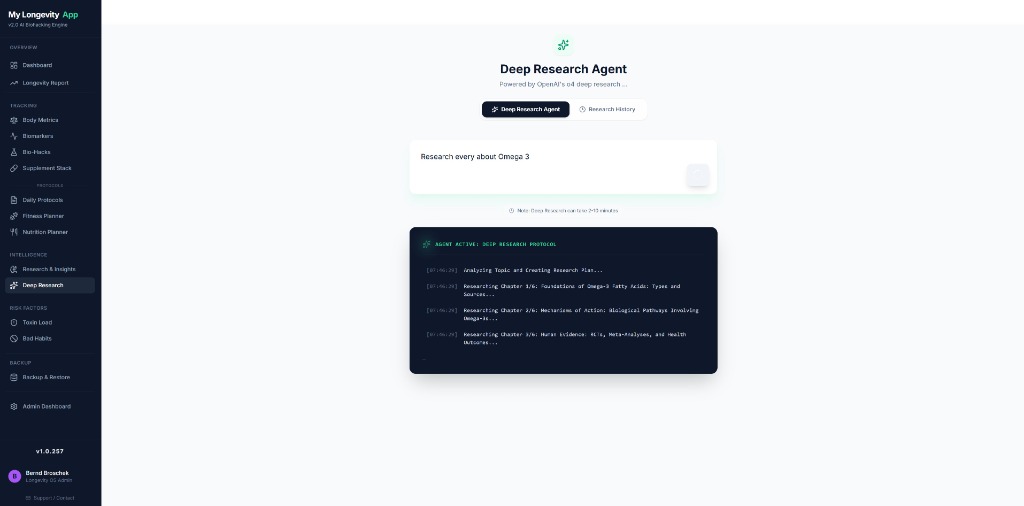
"The AI research agent alone is worth the subscription. It saves me hours of reading every week."
Creating an effective fitness protocol weekly planner is essential for optimizing both physical performance and recovery. A well-structured planner should encompass several key components that address various aspects of fitness and well-being.
First, a balanced mix of strength training, cardiovascular work, and flexibility exercises should be included. Strength training sessions, ideally scheduled two to three times a week, enhance muscle mass and metabolic rate. Cardiovascular workouts, such as running, cycling, or swimming, should be strategically placed to improve endurance and cardiovascular health. Flexibility exercises and mobility work, like yoga or dynamic stretching, should be incorporated to prevent injuries and enhance recovery.
Another crucial element is the careful scheduling of rest and recovery days. These days should not only allow physical recovery but also include strategies for active recovery, such as light walking or mobility sessions. It’s important to listen to your body; adjusting your planner based on energy levels and soreness can prevent burnout and injuries.
Nutrition plays a pivotal role in performance and recovery as well. Your weekly planner should incorporate meal planning that aligns with your fitness goals, ensuring adequate protein intake, healthy fats, and complex carbohydrates. Hydration cannot be overlooked either; tracking water intake should be part of the protocol.
Utilizing tools like MyLongevityApp can provide insights and metrics that help refine your fitness protocol weekly planner. It can track your progress, suggest adjustments, and help you stay accountable.
To optimize your physical performance and recovery, create a detailed weekly planner that balances workouts, rest, nutrition, and hydration, adjusting as needed based on your body’s feedback.
Customizing a fitness protocol weekly planner is essential for individuals aiming to align their physical activities with specific longevity and biohacking goals. The first step involves assessing personal objectives, such as increasing muscle mass, improving cardiovascular health, or enhancing flexibility. By clearly defining these goals, individuals can tailor their fitness routines to address their unique needs, ensuring that each workout contributes to their overall longevity strategy.
Next, consider incorporating various types of exercises that promote both physical and mental well-being. A balanced approach might include strength training, aerobic exercises, and flexibility practices such as yoga or Pilates. Integrating high-intensity interval training (HIIT) can also be beneficial, as it has been shown to improve metabolic health and promote longevity. Using a fitness protocol weekly planner helps to visualize how different workouts fit into the week, allowing for the inclusion of rest days and recovery sessions that are critical for long-term sustainability.
Additionally, tracking metrics such as heart rate variability, sleep quality, and energy levels can provide valuable insights into how well the fitness plan is working. Many individuals find MyLongevityApp useful for monitoring these metrics, as it allows for adjustments to be made based on real-time feedback.
To create a truly personalized fitness protocol weekly planner, regularly review and adjust your plan based on what works best for your body and lifestyle. Aim to set aside time each week to reflect on your progress, making modifications as necessary to stay aligned with your longevity and biohacking goals. This proactive approach will help ensure ongoing improvement and motivation.
Incorporating both strength training and cardiovascular exercises into a fitness protocol weekly planner is essential for achieving comprehensive health benefits. Each type of exercise plays a distinct role in promoting longevity and enhancing overall well-being.
Strength training is vital for building muscle mass, improving bone density, and boosting metabolism. As we age, muscle mass naturally declines, which can lead to decreased strength and increased risk of injury. Engaging in regular strength training helps mitigate these effects, ensuring that individuals maintain functional independence and a higher quality of life as they age. Additionally, it promotes the release of hormones that are crucial for muscle repair and growth, which can further enhance longevity.
On the other hand, cardiovascular exercises, such as running, cycling, or swimming, are key for heart health and improving circulation. They help lower blood pressure, reduce the risk of chronic diseases like diabetes, and enhance mental health by reducing anxiety and depression. Cardiovascular fitness is also linked to longer lifespans, making it a critical component of any fitness strategy.
A balanced fitness protocol weekly planner should aim to incorporate both modalities for optimal results. This approach not only enhances physical fitness but also supports mental resilience and emotional well-being. MyLongevityApp can be a useful tool in creating and tracking this balanced routine, ensuring that users stay committed to their health goals.
For a practical takeaway, aim to include at least two days of strength training and three days of cardiovascular exercise each week. This balanced approach will not only improve your physical health but also contribute to a longer, more vibrant life.
To effectively assess progress and adjust routines within a fitness protocol weekly planner, several key metrics should be tracked. These metrics provide insight into both physical performance and overall well-being, enabling users to make informed decisions about their fitness journey.
First, tracking body composition is essential. This includes measuring changes in weight, body fat percentage, and muscle mass. Regular assessments can help identify whether your fitness protocol is leading to fat loss or muscle gain, allowing for adjustments in diet and exercise intensity.
Next, monitoring performance metrics, such as strength gains, endurance levels, and flexibility, offers a clear picture of how your body is responding to the current routine. For example, tracking the number of repetitions performed or the weight lifted during strength training sessions can highlight improvements or plateaus. Similarly, recording time and distance during cardio workouts can help gauge cardiovascular progress.
Additionally, it's crucial to assess recovery metrics, which include tracking sleep quality, heart rate variability, and perceived exertion levels. These indicators can signal when your body needs more rest or when you might be ready to increase intensity. Tools like MyLongevityApp can help streamline this data collection, providing insights that enhance your understanding of recovery needs.
Lastly, incorporating subjective wellness assessments—such as mood, energy levels, and motivation—into your fitness protocol weekly planner can provide a holistic view of how your fitness regimen impacts your daily life.
By diligently tracking these metrics, you can make data-driven adjustments to your routine, ensuring that your fitness journey remains aligned with your longevity and biohacking goals. Aim to revisit and analyze these metrics weekly to stay on track and optimize your performance.
Adjustments to a fitness protocol weekly planner are essential for continued improvement and avoiding plateaus. The body adapts to physical stress, so what was once an effective routine can become less effective over time. Monitoring your progress regularly is crucial. If you notice that your workouts are becoming easier, or if you are no longer seeing changes in strength, endurance, or body composition, it may be time to reassess your plan.
Consider implementing changes every 4 to 6 weeks, based on your personal goals and progress. This could mean increasing the weight you lift, adding more repetitions or sets, or incorporating new exercises that target different muscle groups. Additionally, varying the intensity and duration of your cardio workouts can also stimulate further adaptations.
Incorporate recovery weeks into your fitness protocol weekly planner. These are periods where you reduce the intensity or volume of your workouts to allow your body to recuperate. This not only helps prevent burnout but can also lead to improved performance in subsequent weeks.
Utilizing tools like MyLongevityApp can aid in tracking your progress over time, helping you to identify when it’s necessary to make changes. It provides insights into your performance trends and can suggest modifications tailored to your objectives.
An actionable takeaway is to schedule a weekly review of your fitness protocol. During this review, assess your progress, evaluate your energy levels, and determine if adjustments are needed. This proactive approach ensures that your fitness journey remains dynamic and effective, fostering ongoing growth and improvement.
Join 10,000+ biohackers optimizing their health with AI.
Start Your 7-Day Free TrialNo credit card required. Cancel anytime.