"Unlock your peak vitality and strength with tailored fitness strategies for life after 40."
As we reach our 40s, the vibrant energy of our youth often feels like a distant memory, making the quest for **fitness over 40** more daunting than ever. Many find themselves grappling with fatigue, weight gain, and a sense of frustration as their bodies respond differently to exercise. It’s not just about physical changes; it’s about the emotional weight of wanting to feel confident, capable, and alive again, all while navigating the pressures of daily life and responsibilities.
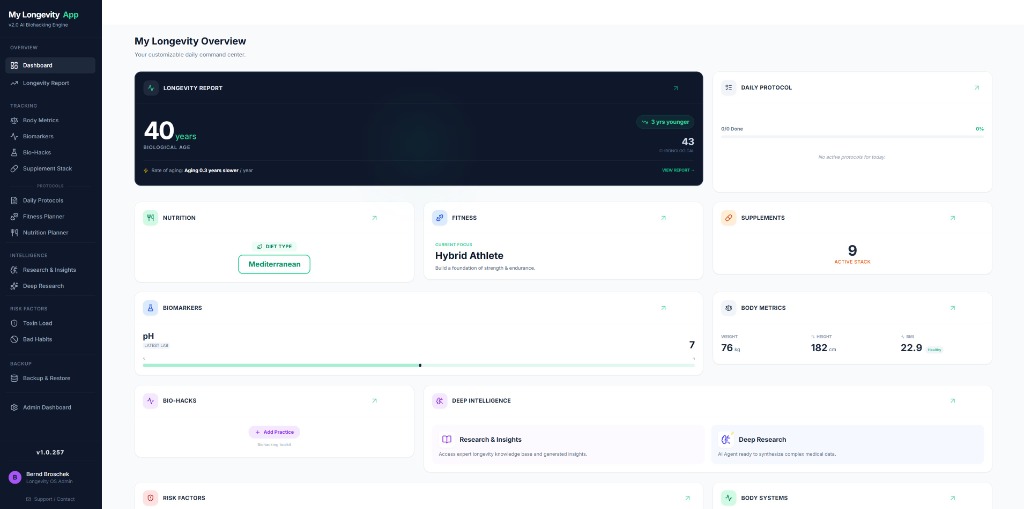
Advanced biohacking tools at your fingertips.
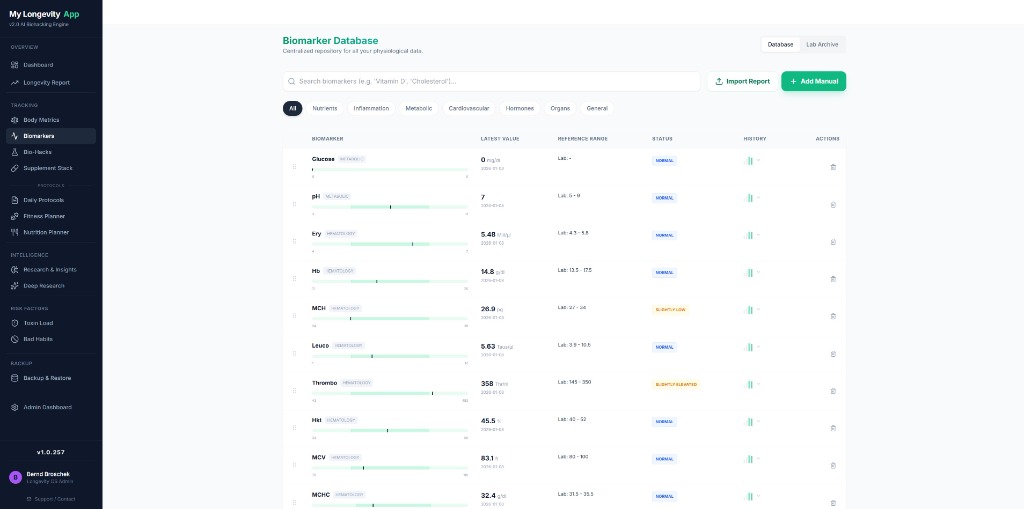
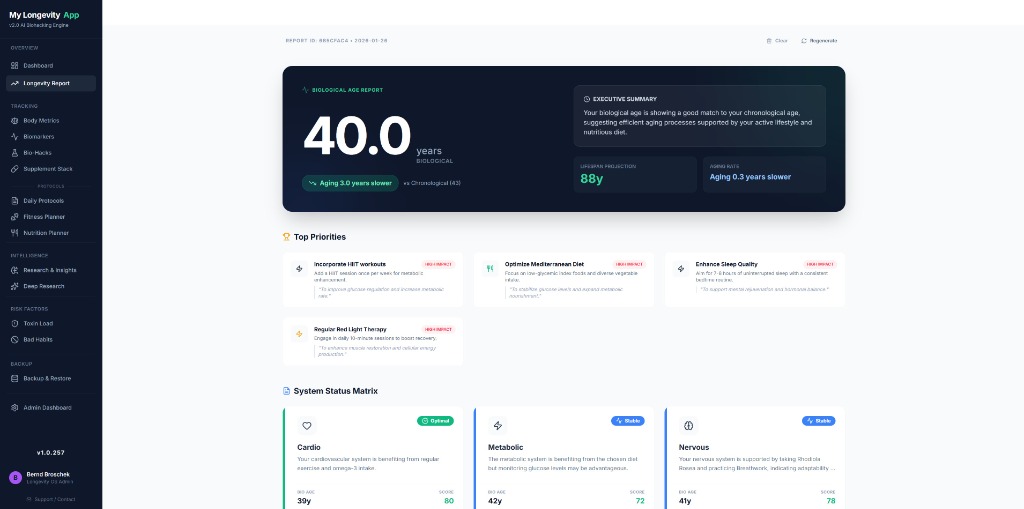
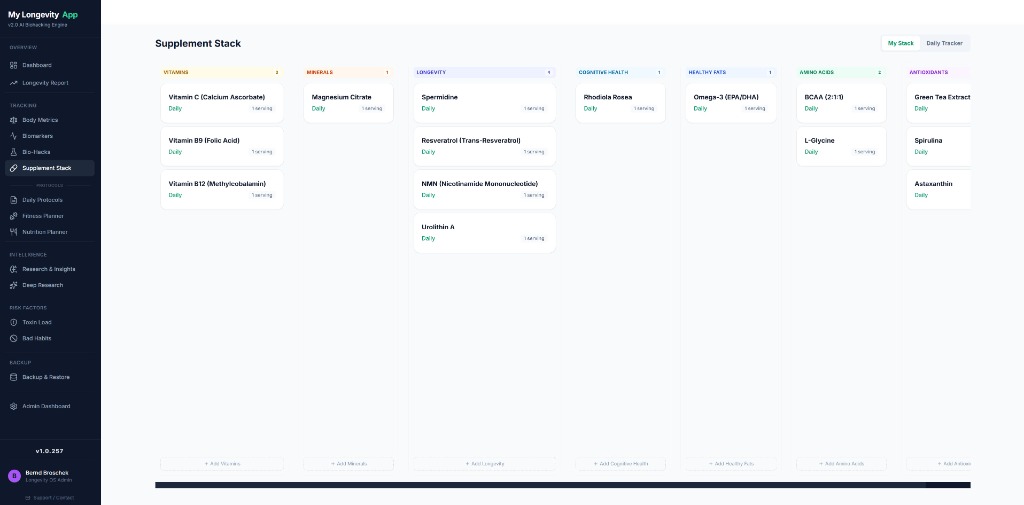
10 integrated modules working together.
Create your account in 30 seconds. No credit card required.
Upload blood work, track body metrics, or start with our AI questionnaire.
Receive your biological age score, personalized reports, and action plan.
Choose the plan that fits your biohacking journey.
Incorporate strength training into your routine to enhance muscle mass and boost metabolism for effective fitness over 40.
Allow adequate recovery periods between workouts to prevent injury and promote overall health as you pursue fitness over 40.
Adopt a balanced diet rich in nutrients to support energy levels and recovery, essential for maintaining fitness over 40.
Join thousands of biohackers optimizing their health.
"MyLongevityApp helped me lower my biological age by 5 years. The biomarker tracking is a game-changer."
"Finally one app that combines supplements, blood work, and daily protocols. I love the weekly planner."
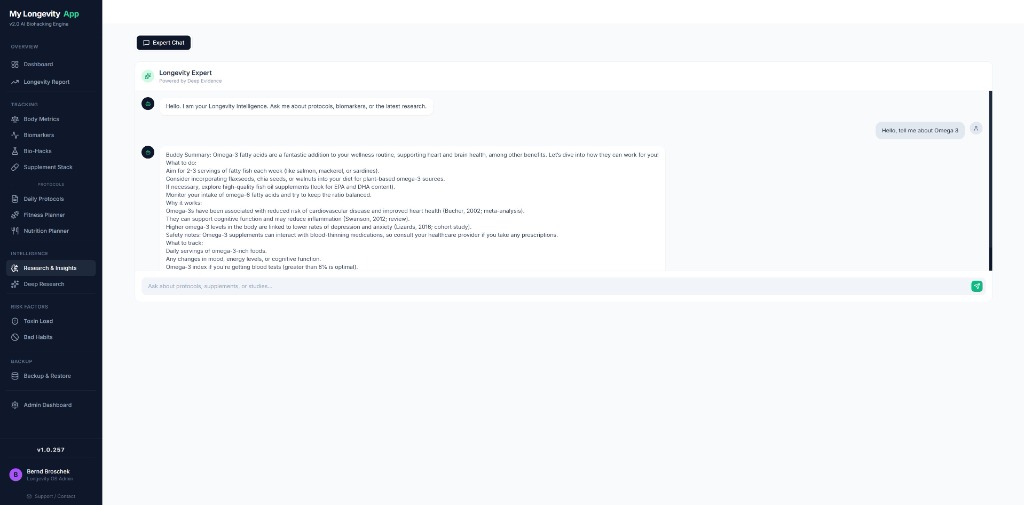
"The AI research agent alone is worth the subscription. It saves me hours of reading every week."
Maintaining muscle mass and strength becomes increasingly important as individuals age, particularly for those over 40. Research indicates that muscle mass can decrease by as much as 5% per decade after this age, making it crucial to adopt effective fitness routines tailored to this demographic.
Resistance training is paramount for preserving muscle mass and strength. Engaging in weight lifting or bodyweight exercises at least two to three times per week can stimulate muscle growth and combat age-related decline. Focus on compound movements such as squats, deadlifts, bench presses, and rows, which work multiple muscle groups simultaneously, offering maximum benefits in a shorter time frame.
Incorporating high-intensity interval training (HIIT) can also be beneficial. This form of exercise alternates short bursts of intense activity with periods of rest or low-intensity exercise. HIIT not only helps in maintaining muscle but also promotes cardiovascular health, which is vital as one ages.
Flexibility and mobility work should not be overlooked. Activities such as yoga or Pilates enhance joint health and prevent injuries, which are more likely as we age. Adding these practices to your weekly routine can improve overall performance in strength training.
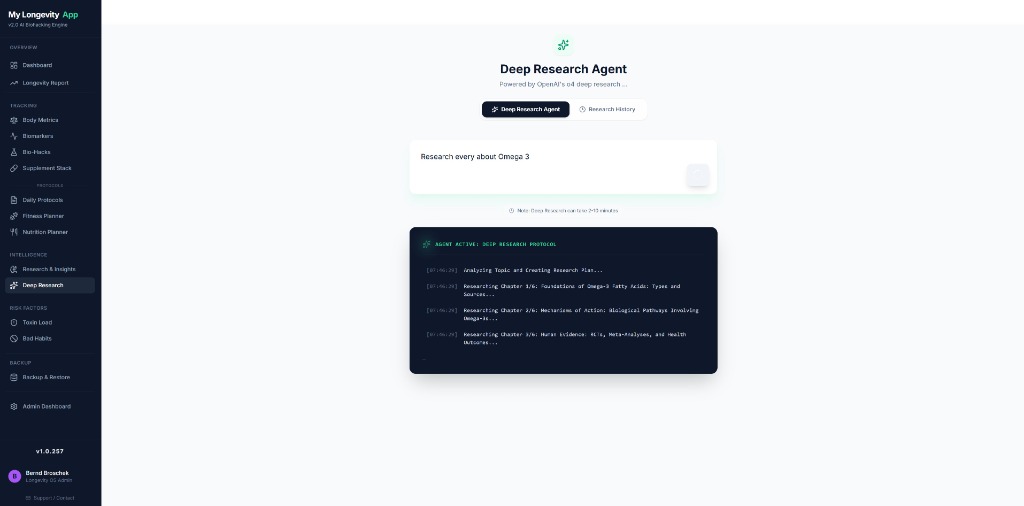
For those looking to optimize their fitness over 40, utilizing technology can provide additional support. MyLongevityApp offers personalized workout plans and tracks progress, enabling users to tailor their routines based on individual goals and needs.
A concrete takeaway is to develop a balanced weekly workout routine that includes resistance training, HIIT, and flexibility exercises. Consistency is key, so aim to engage in these activities regularly to effectively maintain muscle mass and strength as you age.
Nutritional strategies play a pivotal role in enhancing fitness outcomes for those in their 40s and beyond. As we age, our bodies undergo various physiological changes that can impact metabolism, muscle mass, and overall energy levels. Tailoring nutrition to meet these evolving needs is essential for maintaining optimal fitness over 40.
A key aspect of nutritional strategy is the focus on nutrient-dense foods that support muscle preservation and fat loss. Protein intake becomes increasingly important, as it helps counteract age-related muscle loss. Incorporating high-quality protein sources, such as lean meats, fish, legumes, and plant-based options, into meals can promote muscle repair and growth. Additionally, ensuring adequate intake of vitamins and minerals—particularly vitamin D, calcium, and magnesium—can support bone health and metabolic function.
Another critical component is the timing of nutrient consumption. Research suggests that consuming protein-rich meals or snacks post-exercise can enhance recovery and muscle synthesis. For those engaged in regular fitness routines, strategic nutrient timing can optimize performance and outcomes.
Moreover, hydration should not be overlooked. As we age, our sense of thirst may diminish, leading to dehydration, which can adversely affect physical performance. Ensuring sufficient fluid intake throughout the day can bolster energy levels and enhance exercise efficiency.
For individuals looking to refine their nutritional strategies, utilizing tools like MyLongevityApp can provide personalized guidance. This app can help users track dietary habits and identify areas for improvement based on their unique goals.
To maximize fitness outcomes in your 40s and beyond, focus on consuming a balanced diet rich in protein and essential nutrients, time your meals effectively around workouts, and stay hydrated. These strategies can significantly enhance your overall fitness journey.
As individuals cross the 40-year mark, recovery becomes increasingly crucial for those engaged in fitness over 40. This demographic often experiences a natural decline in muscle mass, hormonal changes, and a slower metabolic rate, all of which can hinder recovery processes. When fitness enthusiasts neglect recovery, they risk overtraining, which can lead to injuries, fatigue, and diminished performance. Therefore, understanding the importance of recovery and implementing effective strategies is vital for maintaining an active lifestyle.
Optimizing recovery involves several methods tailored to the needs of those over 40. First, prioritizing sleep is essential; quality sleep facilitates muscle repair and hormonal balance. Aim for 7-9 hours per night, focusing on creating a sleep-friendly environment. Additionally, incorporating active recovery days—light activities such as walking, yoga, or swimming—can enhance blood flow and reduce muscle soreness without further taxing the body.
Nutrition also plays a significant role in recovery. A balanced diet rich in protein, healthy fats, and anti-inflammatory foods can support muscle repair and reduce recovery time. Supplements, such as omega-3 fatty acids and collagen, may provide additional benefits for joint health and muscle recovery.
Tools like MyLongevityApp can help track recovery metrics, providing insights into sleep quality, hydration, and nutritional intake. This data-driven approach allows fitness enthusiasts to tailor their recovery strategies effectively.
Incorporating these recovery methods into a fitness regimen not only enhances performance but also promotes longevity. Prioritize recovery just as much as workouts to ensure a sustainable and enjoyable fitness journey.
As individuals age, particularly after 40, maintaining heart health becomes increasingly crucial. Cardiovascular exercises play a vital role in enhancing cardiovascular fitness and reducing the risk of heart disease. For those in the demographic of fitness over 40, certain types of cardiovascular activities stand out for their effectiveness and safety.
Walking is one of the most accessible forms of exercise, making it ideal for people over 40. It’s low-impact and can be easily incorporated into daily routines. A brisk walk not only strengthens the heart but also aids in improving circulation and reducing stress levels. Aim for at least 150 minutes of moderate-intensity walking each week to reap the benefits.
Cycling, whether stationary or on the road, is another excellent cardiovascular option. It’s gentle on the joints while providing a solid workout that can enhance heart health. Many local communities offer cycling groups that can also serve as a social outlet, which is an added benefit for emotional well-being.
Swimming is particularly beneficial for those with joint concerns. The buoyancy of water reduces strain while allowing for an effective cardiovascular workout. Incorporating swim laps into your weekly routine can significantly boost heart health and overall fitness.
For individuals looking for a bit more intensity, interval training can be adapted to suit fitness levels. This involves alternating between periods of higher intensity and lower-intensity recovery, effectively improving cardiovascular fitness without excessive strain.
Utilizing tools like MyLongevityApp can help track progress and encourage consistency in these activities. Setting specific goals and monitoring improvements can foster motivation and enhance adherence to a fitness routine.
Prioritize incorporating a mix of these cardiovascular exercises into your routine, ensuring that they align with your personal fitness level and preferences. Taking these steps can significantly improve heart health and overall longevity.
As individuals reach the age of 40, significant shifts in metabolism and recovery time often necessitate a reevaluation of fitness goals and routines. Around this age, the body experiences a natural decline in muscle mass and a slower metabolic rate, making it essential to adapt fitness strategies to maintain health and vitality.
Firstly, individuals should consider integrating more strength training into their routines. This shift helps to counteract muscle loss typically associated with aging. Focusing on resistance exercises not only promotes muscle growth but also enhances metabolic function, facilitating better weight management. Additionally, adding variety to workouts—such as incorporating flexibility and balance exercises—can also support overall fitness and reduce the risk of injury.
Recovery time becomes increasingly important after 40, as the body requires longer to recuperate from workouts. It’s advisable to listen to your body and allow more rest days between intensive sessions. Incorporating active recovery days, such as light walking or yoga, can be beneficial. This approach not only aids in physical recovery but also helps to rejuvenate mental wellness, which is often overlooked.
Utilizing tools like MyLongevityApp can also assist in tracking progress and adjusting fitness over 40 goals effectively. The app can provide personalized insights based on individual responses to workouts, ensuring that routines remain aligned with changing physical needs.
To enhance fitness outcomes, individuals over 40 should commit to regular assessments of their fitness goals. This includes evaluating progress, considering age-related changes, and being flexible in adjusting routines to maintain a balanced approach to health and longevity.
Join 10,000+ biohackers optimizing their health with AI.
Start Your 7-Day Free TrialNo credit card required. Cancel anytime.