Discover how knowing your biological age can enhance your health and longevity journey.
When grappling with the concept of biological age vs chronological age difference, many individuals feel a profound sense of confusion and frustration. They may look in the mirror and see a vibrant spirit, yet their body's wear and tear tells a different story. This disconnect can lead to anxiety about health and longevity, making it difficult to understand how lifestyle choices impact their true vitality. Recognizing this difference is not just an intellectual pursuit; it's a deeply personal journey toward reclaiming control over one's health and future.
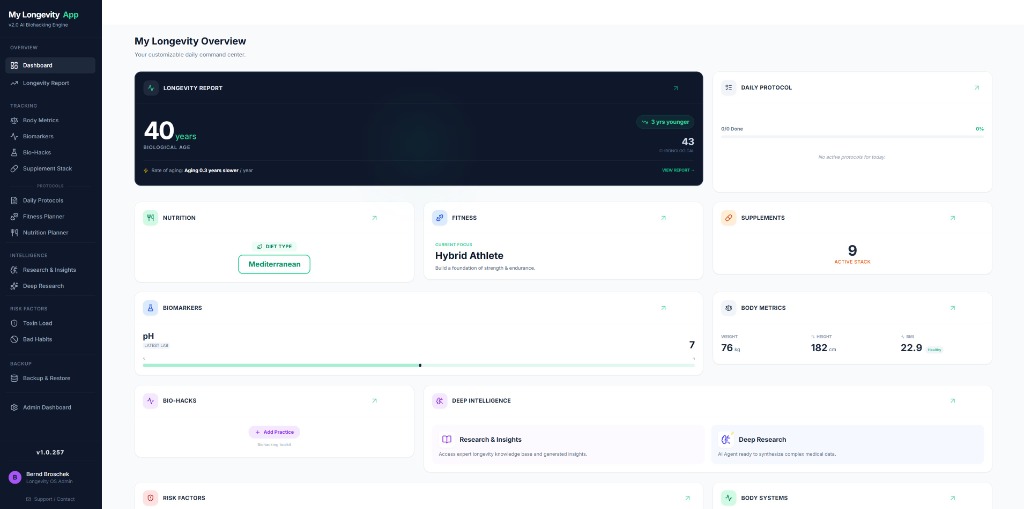
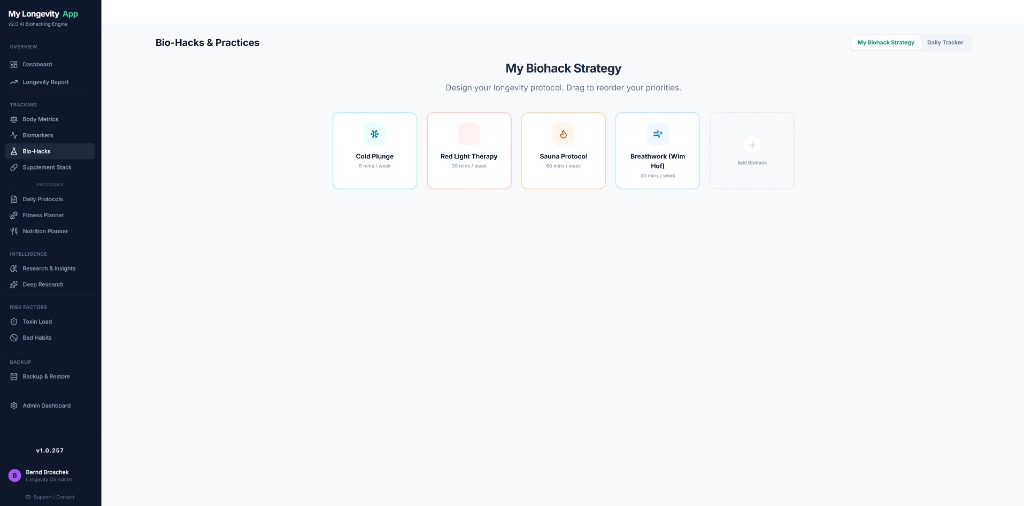
Advanced biohacking tools at your fingertips.
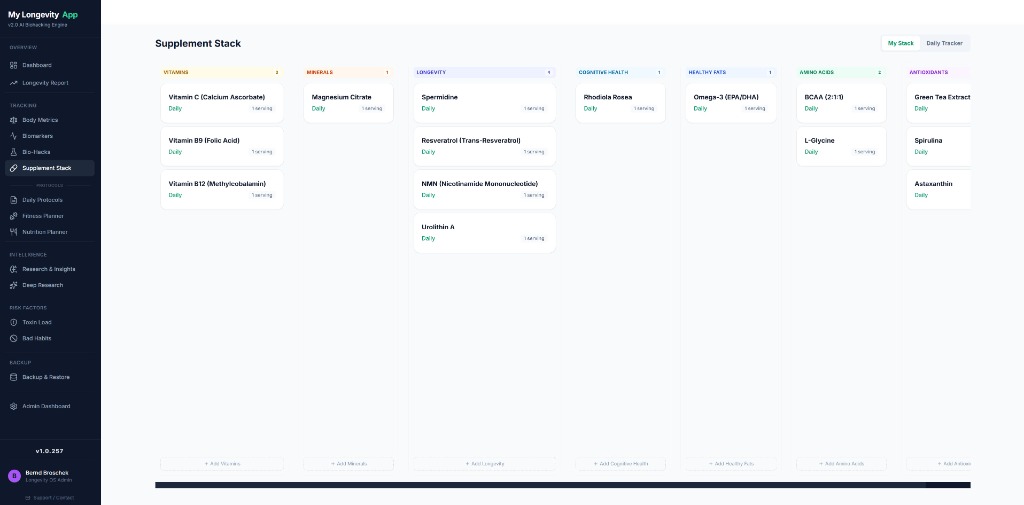
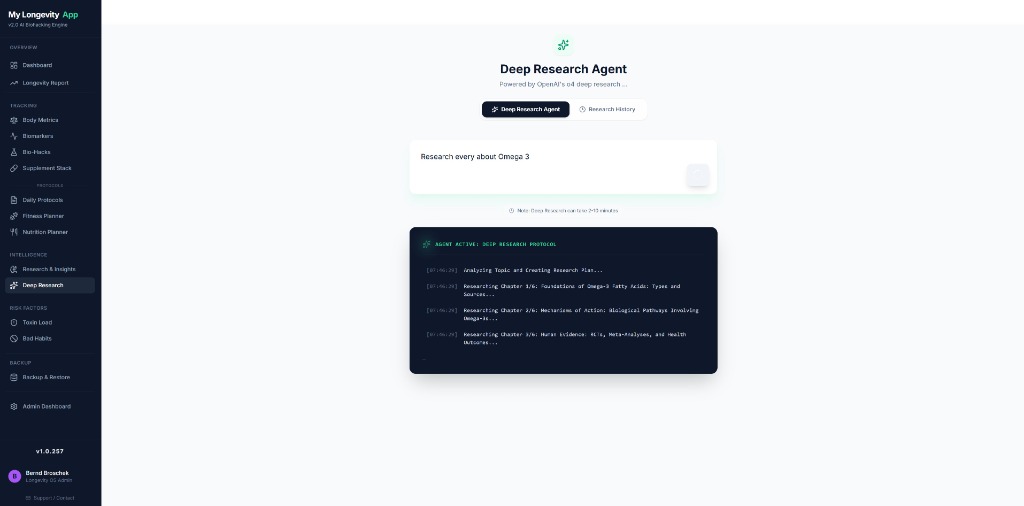
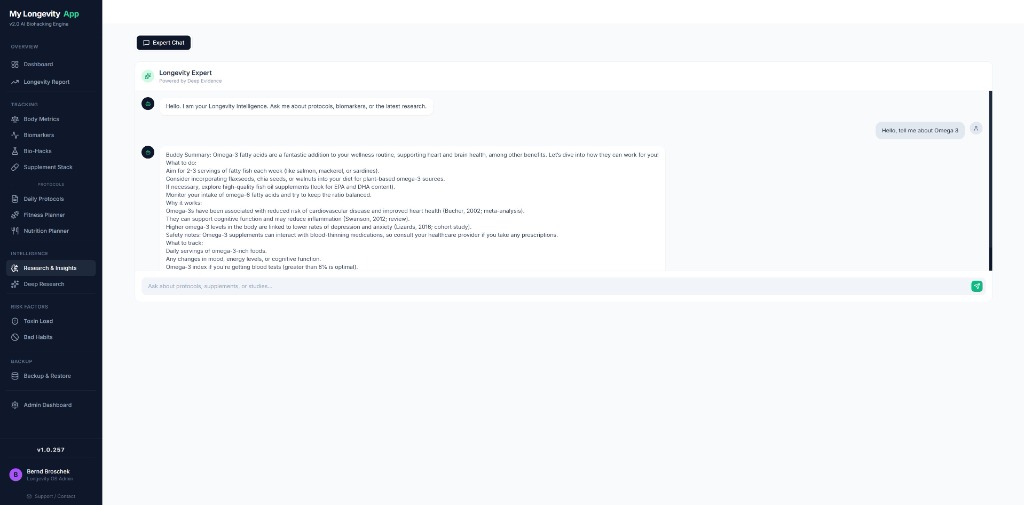
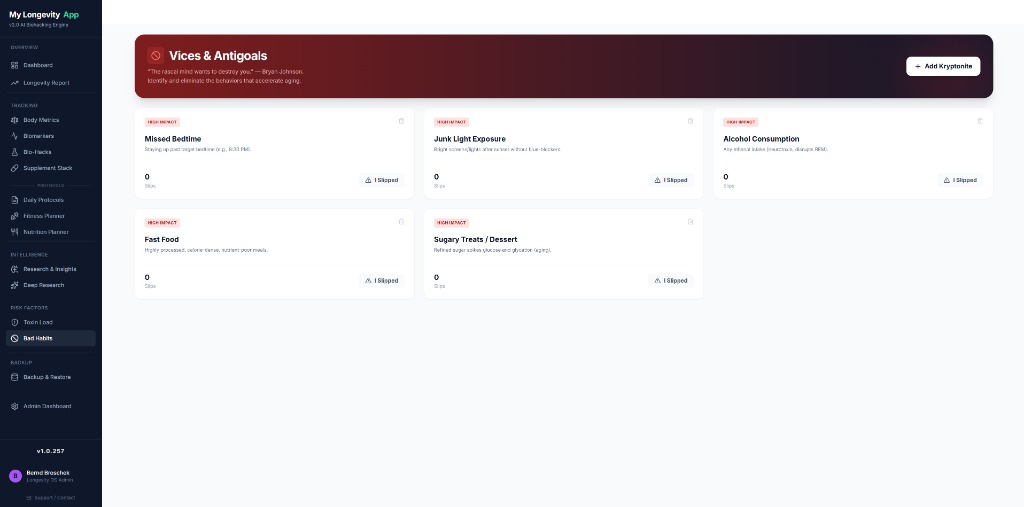
10 integrated modules working together.
Create your account in 30 seconds. No credit card required.
Upload blood work, track body metrics, or start with our AI questionnaire.
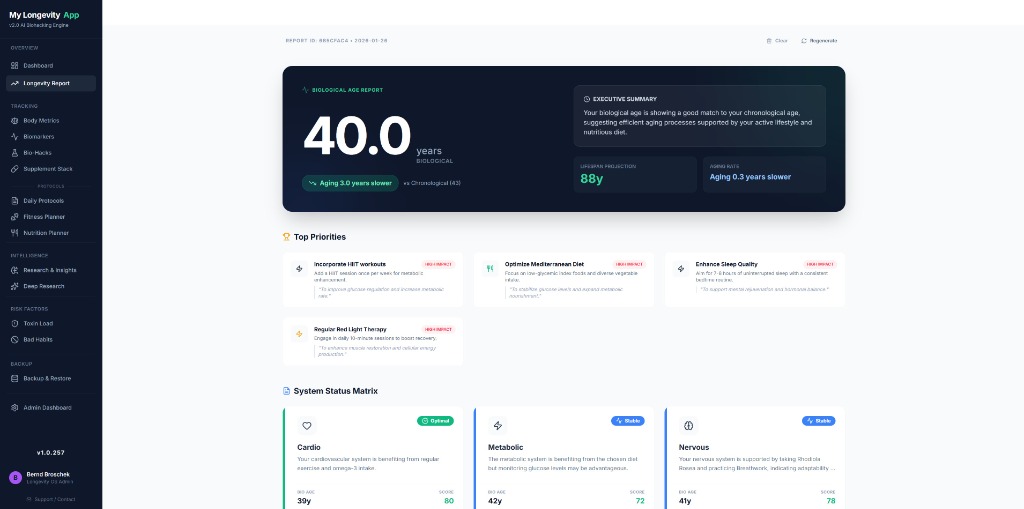
Receive your biological age score, personalized reports, and action plan.
Choose the plan that fits your biohacking journey.
Learn the difference between biological age and chronological age to better assess your health and longevity.
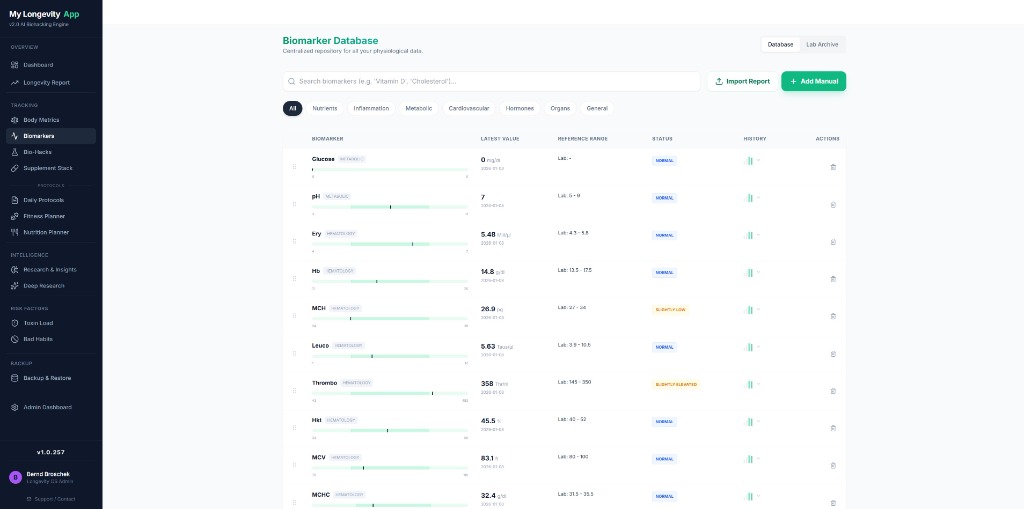
Regularly monitor biomarkers to understand the biological age vs chronological age difference and make informed lifestyle choices.
Adopt a balanced diet, regular exercise, and stress management to positively influence your biological age and enhance longevity.
Join thousands of biohackers optimizing their health.
"MyLongevityApp helped me lower my biological age by 5 years. The biomarker tracking is a game-changer."
"Finally one app that combines supplements, blood work, and daily protocols. I love the weekly planner."
"The AI research agent alone is worth the subscription. It saves me hours of reading every week."
The biological age vs chronological age difference is a crucial concept in understanding individual health and longevity. While chronological age simply refers to the number of years since birth, biological age reflects how well an individual’s body is functioning relative to that age. Several primary factors contribute to this disparity.
Genetics plays a significant role in determining biological age. Some individuals inherit genes that promote longevity and better health outcomes, while others may be predisposed to age-related diseases. Environmental factors, such as exposure to toxins, pollution, and lifestyle choices, also significantly impact biological age. For instance, a diet high in processed foods and sugars can accelerate aging processes at the cellular level, while regular exercise and a balanced diet can promote healthier biological aging.
Another factor is stress. Chronic stress has been shown to accelerate biological aging through mechanisms like telomere shortening, which impacts cellular replication and longevity. Mental health and social connections also contribute; individuals with strong support systems and a positive outlook tend to experience slower biological aging.
Tools like MyLongevityApp can help individuals track their biological markers, offering insights into how lifestyle choices affect their biological age. By monitoring these factors, users can make informed decisions to enhance their health and potentially extend their lifespan.
To address the biological age vs chronological age difference effectively, focus on maintaining a balanced diet, managing stress, and engaging in regular physical activity. These lifestyle modifications can help align biological age more closely with chronological age, promoting better overall health and longevity.
Measuring biological age is gaining traction in the longevity and biohacking communities as a more insightful metric than chronological age. Biological age reflects an individual's physiological state, providing insight into health and longevity potential. There are several methods and tools available for individuals looking to assess their biological age effectively.
One of the most common approaches is through epigenetic testing, which analyzes DNA methylation patterns. These patterns can indicate how lifestyle factors and environmental exposures have influenced biological aging. Companies like MyLongevityApp utilize sophisticated algorithms to provide users with a clear picture of their biological age based on these measurements.
Another reliable method involves biomarker assessments, where blood tests measure various health indicators, such as inflammation, hormone levels, and metabolic function. These biomarkers can reveal how well the body is functioning relative to age, helping to highlight potential areas for improvement. Wearable technology also plays a role, with devices that track heart rate variability, sleep patterns, and physical activity, offering insights into overall health and aging processes.
Understanding the biological age vs chronological age difference is crucial for those interested in optimizing their health. While chronological age counts the years lived, biological age considers how well the body is aging, potentially leading to different health outcomes.
For actionable results, individuals should consider integrating multiple assessment methods for a comprehensive understanding of their biological age. Regularly monitoring these metrics can inform lifestyle choices and interventions that promote longevity and enhance quality of life.
Understanding the difference between biological age and chronological age is critical for developing effective personalized health and wellness strategies. Chronological age simply refers to the number of years a person has lived, while biological age reflects the physiological state of an individual’s body, which can be influenced by genetics, lifestyle choices, and environmental factors. This distinction is vital because two individuals with the same chronological age can have vastly different biological ages, leading to different health outcomes and longevity potential.
By assessing biological age, individuals can gain insights into their overall health and identify risk factors for age-related diseases. This understanding enables the creation of tailored wellness plans that go beyond generic recommendations. For example, if a person’s biological age is significantly higher than their chronological age, they may benefit from targeted interventions such as improved nutrition, exercise regimens, or stress management techniques. On the other hand, someone whose biological age is lower may require different strategies to maintain their health as they age.
Utilizing tools like MyLongevityApp can help individuals track their biological age, providing personalized insights and recommendations based on their unique health data. This approach empowers users to make informed decisions about their lifestyle choices and interventions, potentially enhancing their quality of life and longevity.
To harness the benefits of understanding the biological age vs chronological age difference, individuals should consider regular assessments of their biological age and actively engage in lifestyle changes that promote optimal health. This proactive approach can lead to more effective and personalized strategies for longevity.
Understanding the biological age vs chronological age difference is crucial for those seeking to optimize their health and longevity. Biological age refers to how old your body seems based on various biomarkers, while chronological age is simply the number of years you've lived. Making specific lifestyle changes can significantly reduce your biological age and enhance your overall well-being.
One of the most impactful changes is adopting a balanced diet rich in whole foods. Incorporating fruits, vegetables, whole grains, and healthy fats into your meals can reduce inflammation and combat oxidative stress, both of which are linked to aging. Additionally, practicing intermittent fasting has shown promise in promoting cellular repair and longevity. You can start by gradually extending the period between meals, perhaps by skipping breakfast on some days.
Regular physical activity is another cornerstone of healthy aging. Engaging in a mix of cardiovascular, strength-training, and flexibility exercises can improve metabolic health and maintain muscle mass. Aim to incorporate at least 150 minutes of moderate aerobic exercise into your week, along with two days of strength training.
Sleep hygiene also plays a vital role in reducing biological age. Prioritize getting 7-9 hours of quality sleep each night by establishing a consistent sleep schedule and creating a restful environment.
Lastly, stress management techniques such as mindfulness, meditation, or even utilizing apps like MyLongevityApp can help you track and mitigate stress, which is crucial for maintaining a youthful biological age.
Start with small, manageable changes in your daily routine, such as adding a daily walk or a new vegetable to your meals. As these habits become ingrained, you’ll be taking significant steps toward a younger biological age.
When evaluating age-related health risks, the distinction between biological age and chronological age is crucial. Chronological age simply measures the time since birth, providing a linear perspective on aging. However, it does not account for the myriad factors influencing an individual’s health status. Biological age, on the other hand, reflects the physiological state of a person's body, considering factors like genetics, lifestyle, and environmental influences. This concept allows for a more nuanced understanding of aging, as it can vary significantly among individuals of the same chronological age.
The biological age vs chronological age difference becomes particularly evident when assessing health risks. For example, two individuals may be the same age chronologically but exhibit vastly different biological markers—one may show signs of advanced aging due to poor lifestyle choices such as inadequate nutrition or lack of exercise, while the other may maintain a youthful biological age through healthy habits and preventative measures. Hence, biological age can be a more accurate predictor of health outcomes and longevity.
Tools like MyLongevityApp are designed to help users assess their biological age through various metrics, enabling them to identify areas for improvement and track their progress over time. By focusing on biological age, individuals can take actionable steps tailored to their specific health profiles, such as adopting dietary changes, increasing physical activity, or managing stress more effectively. Prioritizing biological age over chronological age empowers individuals to take control of their health and enhance their longevity.
Join 10,000+ biohackers optimizing their health with AI.
Start Your 7-Day Free TrialNo credit card required. Cancel anytime.