Discover your true biological age at home for personalized insights into your health and longevity.
In a world where the quest for vitality and health often feels overwhelming, many individuals grapple with the uncertainty of their aging process. The idea of taking a biological age test at home can evoke a mix of hope and anxiety, as people yearn for clarity on their true health status. This desire to understand not just how old they are, but how old they *feel*, reflects a deep-seated need for control over their life’s trajectory, fostering both fear of the unknown and the hope for a longer, healthier future.
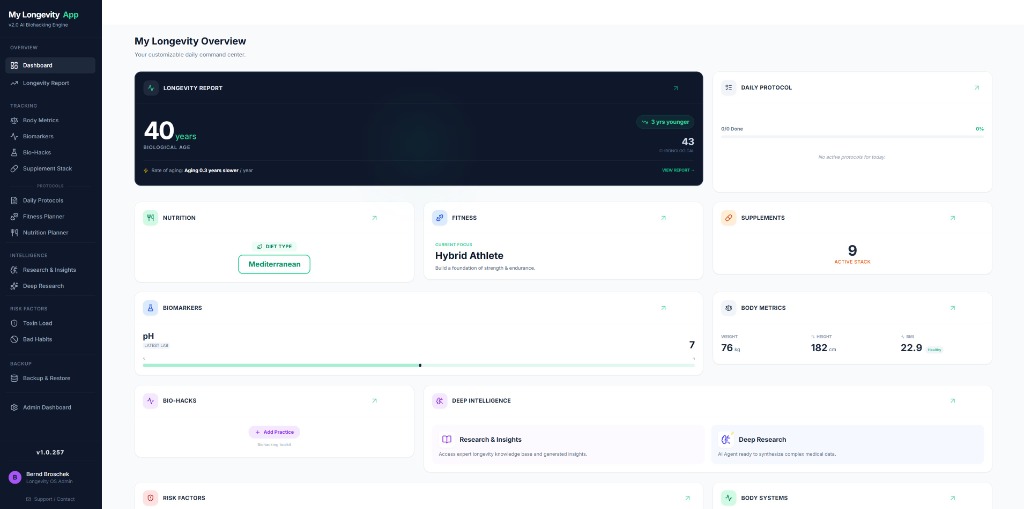
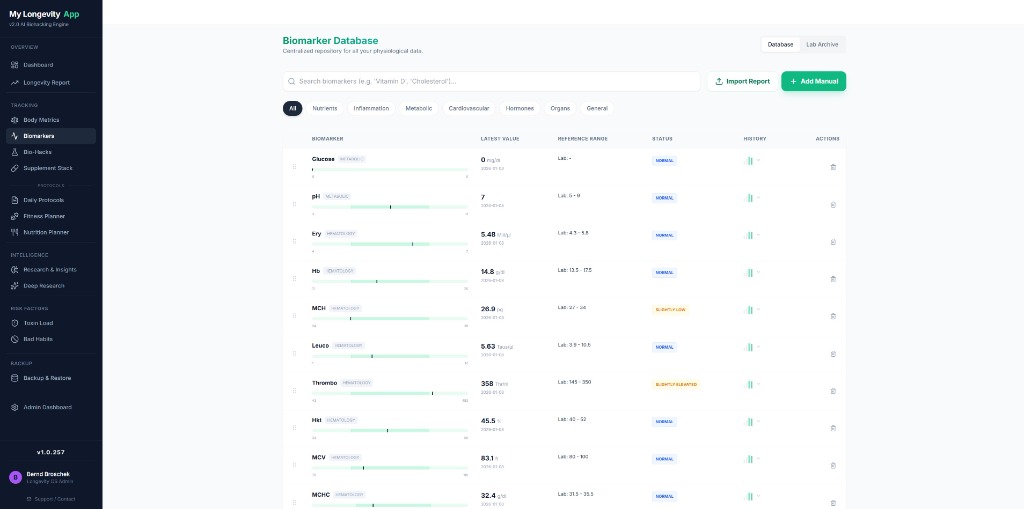
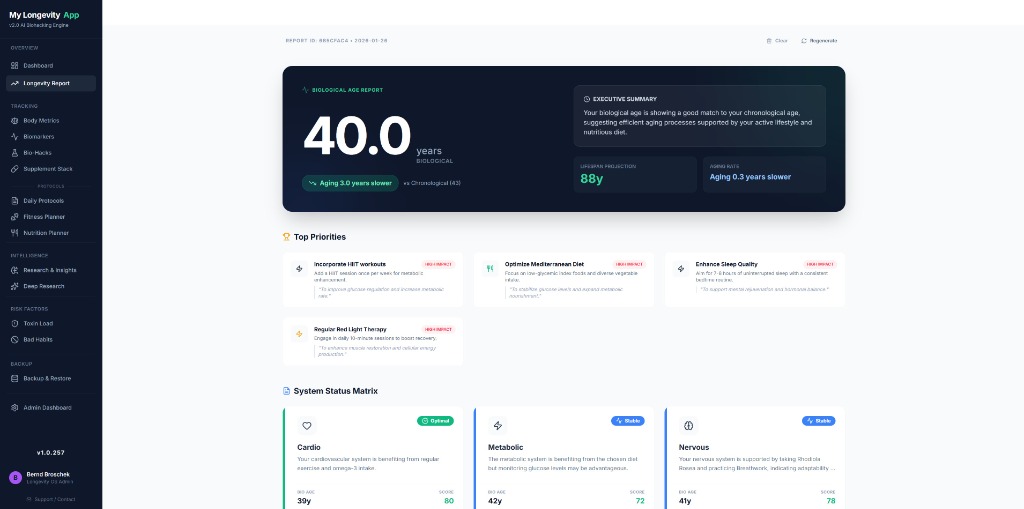
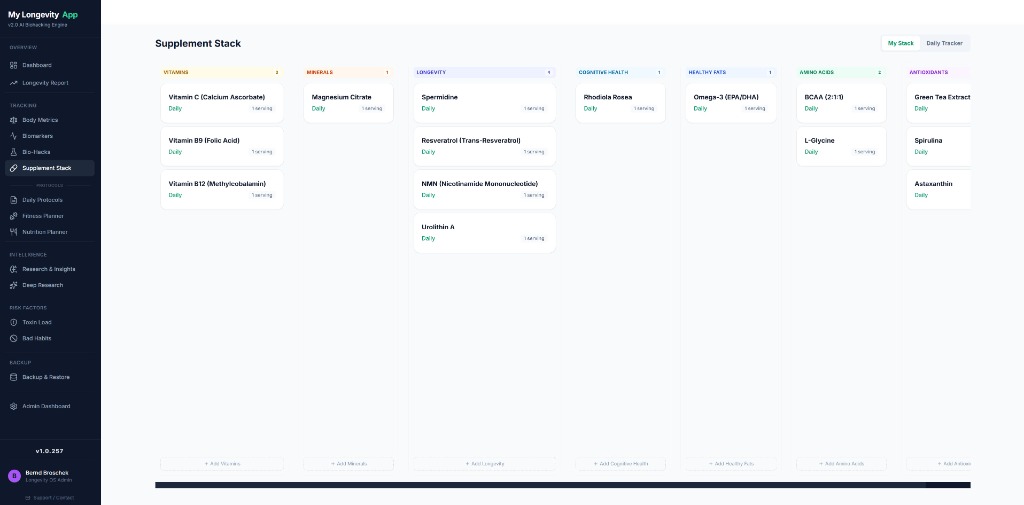
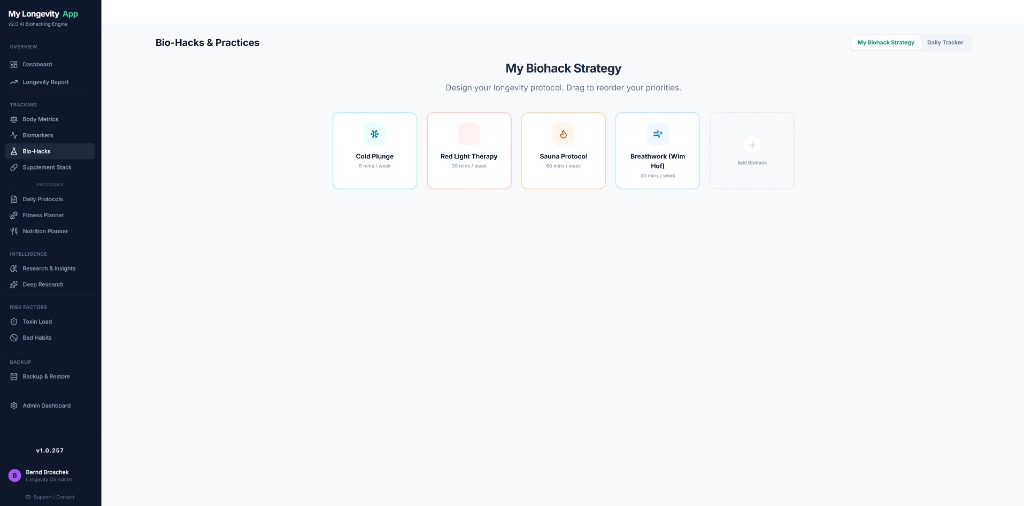
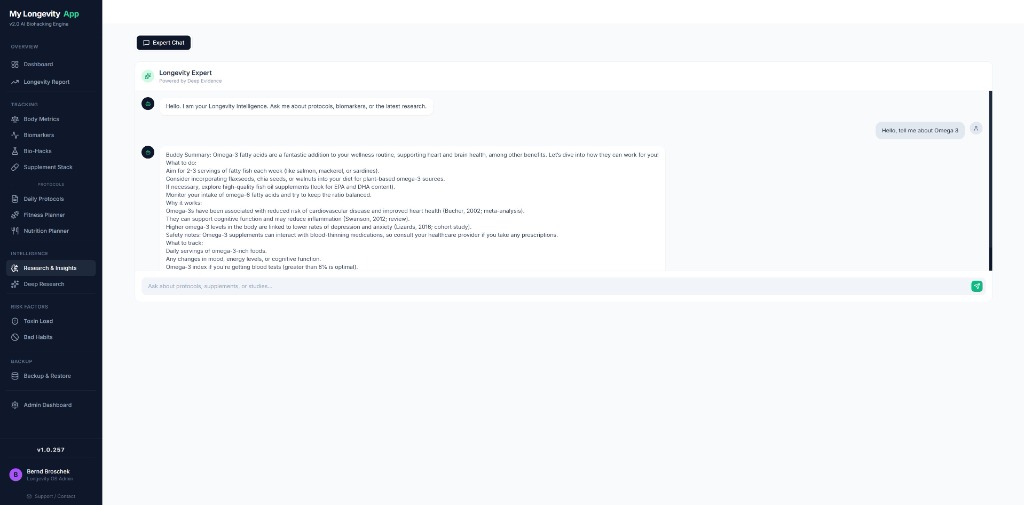
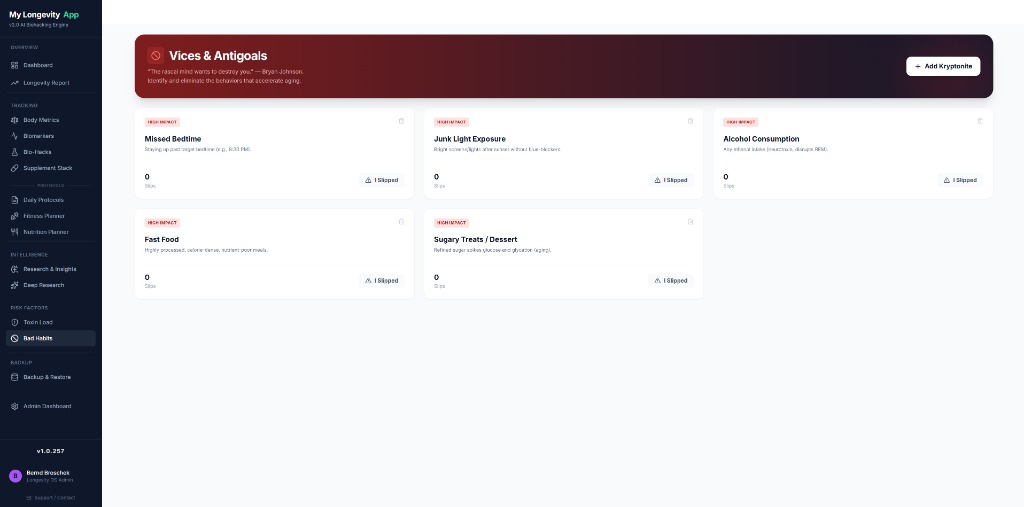
Advanced biohacking tools at your fingertips.
10 integrated modules working together.
Create your account in 30 seconds. No credit card required.
Upload blood work, track body metrics, or start with our AI questionnaire.
Receive your biological age score, personalized reports, and action plan.
Choose the plan that fits your biohacking journey.
Use user-friendly biological age test at home kits that require minimal setup and provide quick results for personalized health insights.
Monitor your biological age over time to see how lifestyle adjustments, like diet and exercise, affect your longevity.
Pair your at-home test results with professional advice to create an effective plan for improving your biological age.
Join thousands of biohackers optimizing their health.
"MyLongevityApp helped me lower my biological age by 5 years. The biomarker tracking is a game-changer."
"Finally one app that combines supplements, blood work, and daily protocols. I love the weekly planner."
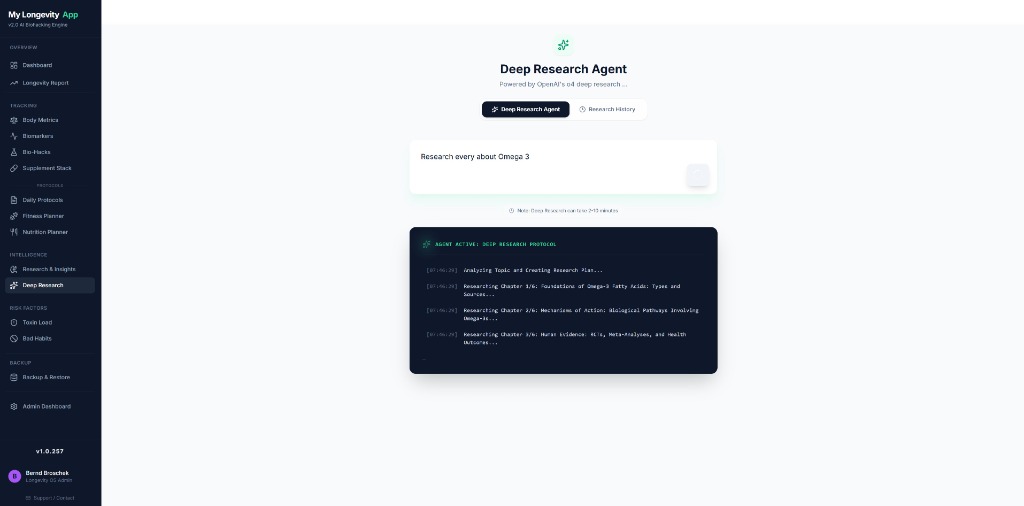
"The AI research agent alone is worth the subscription. It saves me hours of reading every week."
Assessing your biological age at home has gained traction as people seek to understand their health and longevity better. The most reliable methods for conducting a biological age test at home typically involve a combination of advanced technology and accessible tools. Among these, DNA methylation tests, which analyze epigenetic changes, are increasingly popular. Companies like MyLongevityApp offer kits that allow users to collect saliva samples, which are then analyzed to provide insights into biological age based on established biomarkers.
Another method is the use of wearable fitness trackers that monitor various physiological parameters, such as heart rate variability, sleep patterns, and activity levels. These devices can help estimate biological age by correlating lifestyle factors with overall health metrics. While not as precise as DNA analysis, they provide a continuous stream of data that can inform lifestyle changes to optimize longevity.
In comparison to laboratory tests, home methods often lack the rigorous validation and standardization found in clinical environments. Laboratory tests typically offer a more comprehensive analysis, taking into account a wider range of biomarkers and often yielding more accurate results. However, the convenience and accessibility of a biological age test at home make it an appealing option for those looking to track their health metrics regularly.
For individuals keen on monitoring their biological age, integrating both home testing and periodic laboratory assessments can provide a balanced approach. This dual strategy allows for ongoing personal insights while ensuring that professional evaluations confirm your progress and health strategy.
The biological age test at home is an innovative tool designed to provide insights into an individual’s true biological age, factoring in various lifestyle influences such as diet, exercise, and stress levels. These tests typically analyze biomarkers from samples like saliva or blood, which correlate with the aging process. However, what sets them apart is their ability to integrate lifestyle data for a more comprehensive assessment.
Diet plays a crucial role in determining biological age. A home test may evaluate nutritional markers that reflect dietary habits, such as antioxidant levels and inflammatory markers. By understanding how your diet impacts these biomarkers, you can make informed choices that may slow down the aging process.
Exercise is another significant factor. Regular physical activity is linked to improved cardiovascular health, reduced inflammation, and enhanced cellular function. The biological age test at home may include parameters that highlight how your exercise routine influences your overall health. By assessing these metrics, you can tailor your fitness regimen to better support your longevity goals.
Stress levels are equally important, as chronic stress can accelerate biological aging. Some tests may analyze cortisol levels or other stress indicators, providing valuable feedback on how your mental and emotional health contributes to your biological age. Identifying your stress triggers allows you to implement effective stress management strategies.
For those looking to gain deeper insights into their longevity, platforms like MyLongevityApp can complement the home testing experience by offering personalized recommendations based on the results. This integrated approach ensures that you not only understand your biological age but also take actionable steps toward healthier living. Consider monitoring your lifestyle factors regularly and adjusting them based on your biological age test results to optimize your longevity journey.
Understanding your biological age is crucial for optimizing health and longevity, as it provides insights beyond chronological age. Biological age reflects how well your body is functioning compared to typical age benchmarks, taking into account factors like genetics, lifestyle choices, and environmental influences. By assessing your biological age, you can identify potential health risks and tailor your wellness strategies to mitigate them. This knowledge empowers individuals to make informed decisions about diet, exercise, and other lifestyle modifications, ultimately promoting a longer, healthier life.
A biological age test at home simplifies this process, making it accessible and convenient. These tests typically analyze biomarkers such as DNA methylation, inflammation levels, and metabolic health indicators. With advancements in technology, home testing kits can offer reliable insights into your biological age, enabling you to track changes over time. This data can serve as a catalyst for change, motivating you to adopt healthier habits or seek professional guidance if necessary.
MyLongevityApp also plays a role in leveraging biological age information. By integrating your test results with personalized recommendations, the app can help you implement effective longevity strategies tailored to your unique profile.
To optimize your health and longevity, consider conducting a biological age test at home. Use the results to create a targeted plan that addresses your specific needs. Regular testing can help you monitor your progress and adjust your strategies, ensuring you are always on the path to better health.
Biological age tests at home have gained popularity as a means to assess overall health through various biomarkers. These tests typically evaluate several key indicators that provide insights into how your body is aging compared to your chronological age.
One common biomarker assessed is telomere length. Telomeres are protective caps at the ends of chromosomes that shorten with each cell division. Shorter telomeres are associated with cellular aging and increased risk for age-related diseases. By measuring telomere length, a biological age test at home can give you an indication of your cellular health and longevity potential.
Another important biomarker is high-sensitivity C-reactive protein (hs-CRP), which serves as a marker for inflammation in the body. Chronic inflammation is linked to numerous health issues, including heart disease and diabetes. Elevated hs-CRP levels can indicate an increased risk for these conditions, making it a crucial factor in assessing your biological age.
Additionally, tests may look at metabolic markers such as blood glucose levels and cholesterol profiles. Elevated blood sugar and poor lipid profiles can signal metabolic dysfunction, which often accelerates aging processes and can lead to serious health complications.
Using platforms like MyLongevityApp can enhance your understanding by providing personalized insights and recommendations based on your biological age test results. This information allows you to make informed lifestyle choices to promote healthier aging.
To take control of your health, consider incorporating regular biological age assessments into your routine. Monitoring these biomarkers can empower you to adopt strategies that support longevity and improve your overall well-being.
Retesting biological age at home can be a valuable practice for individuals who are actively engaged in their health and wellness journey. It’s particularly beneficial to consider a retest after making significant changes to your lifestyle or health status. For instance, if you have adopted a new diet, increased physical activity, or incorporated stress management techniques such as meditation or yoga, these positive changes can significantly impact your biological age.
Additionally, any major health events, such as recovering from an illness or managing a chronic condition, can also warrant a reassessment. Biological age tests at home can provide insights into how well your body is responding to these changes, allowing you to gauge the effectiveness of your interventions. If you've experienced weight loss, improved sleep quality, or enhanced mental clarity, retesting can confirm whether these improvements are reflected in your biological markers.
Another key moment for retesting is during transitions in life, such as entering a new decade or after significant life events like pregnancy or major stressors. Such transitions can influence your body’s systems and underscore the need for a fresh evaluation of your biological age.
Using tools like the MyLongevityApp can facilitate this process, making it easier to track your progress over time. Regularly reassessing your biological age allows you to stay informed and motivated on your path to longevity.
Consider scheduling a biological age test at home after implementing substantial lifestyle changes or during significant life transitions. This proactive approach will help you better understand your health trajectory and refine your strategies for optimal aging.
Join 10,000+ biohackers optimizing their health with AI.
Start Your 7-Day Free TrialNo credit card required. Cancel anytime.