Unlock your potential by understanding how your body systems influence your biological age.
As you navigate the complexities of aging, the search for clarity can be overwhelming. You may find yourself grappling with questions about your biological age and how it affects your body systems, feeling lost in a sea of information. The desire for a deeper understanding through biological age body systems analysis reflects not just a quest for knowledge, but a yearning to reclaim vitality and ensure a healthier, longer life. It's not just about numbers; it's about feeling empowered to take control of your health journey.
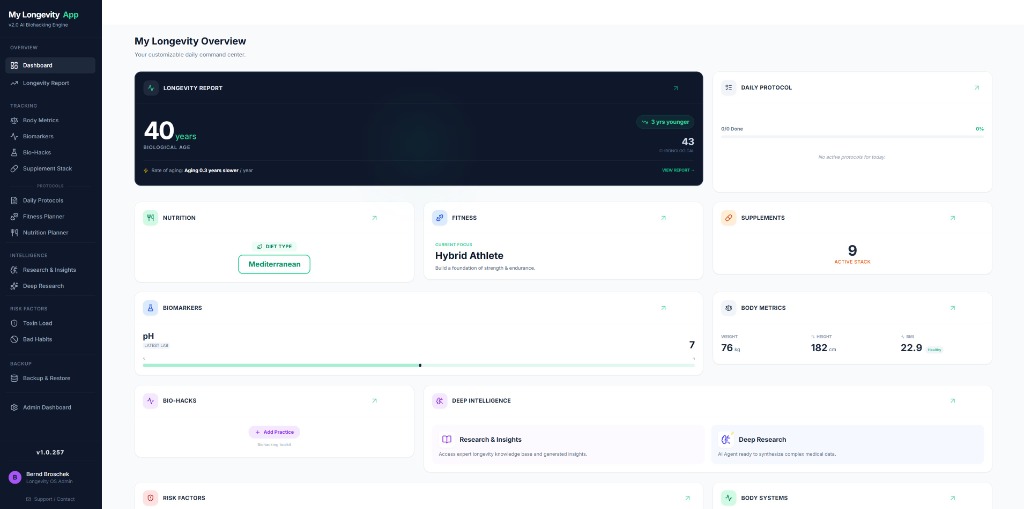
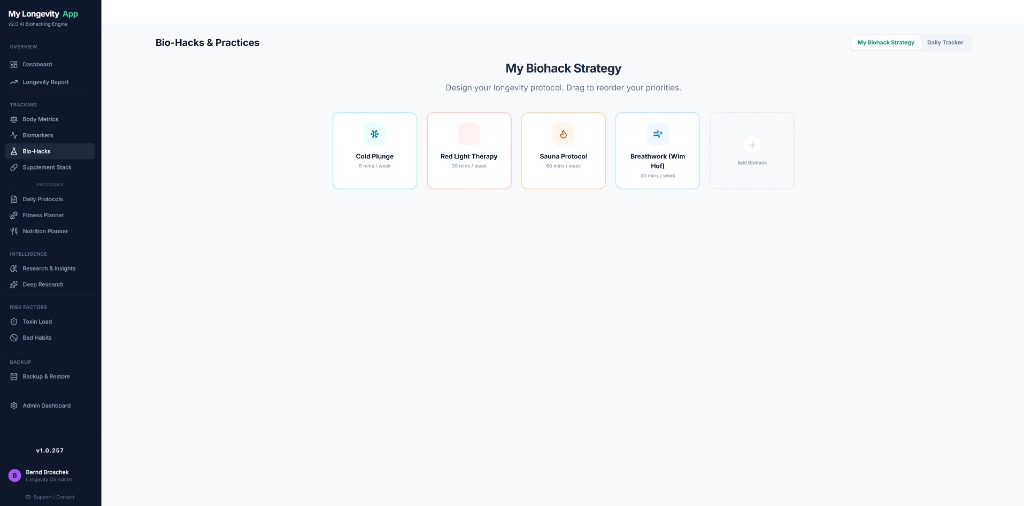
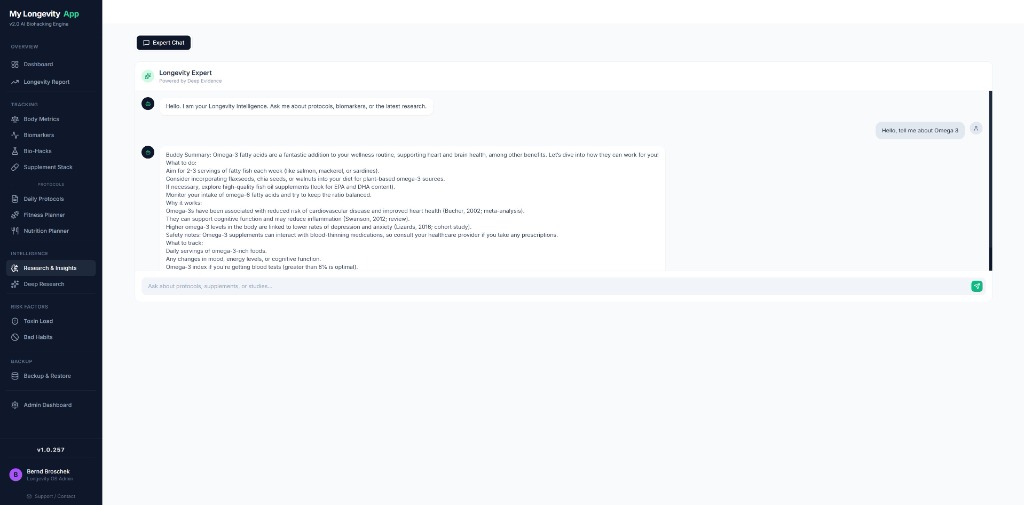
Advanced biohacking tools at your fingertips.
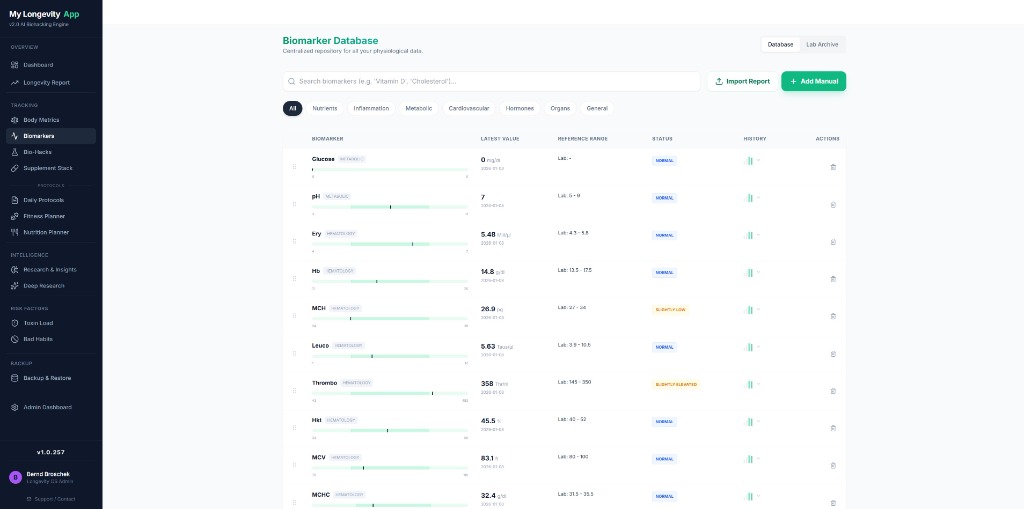
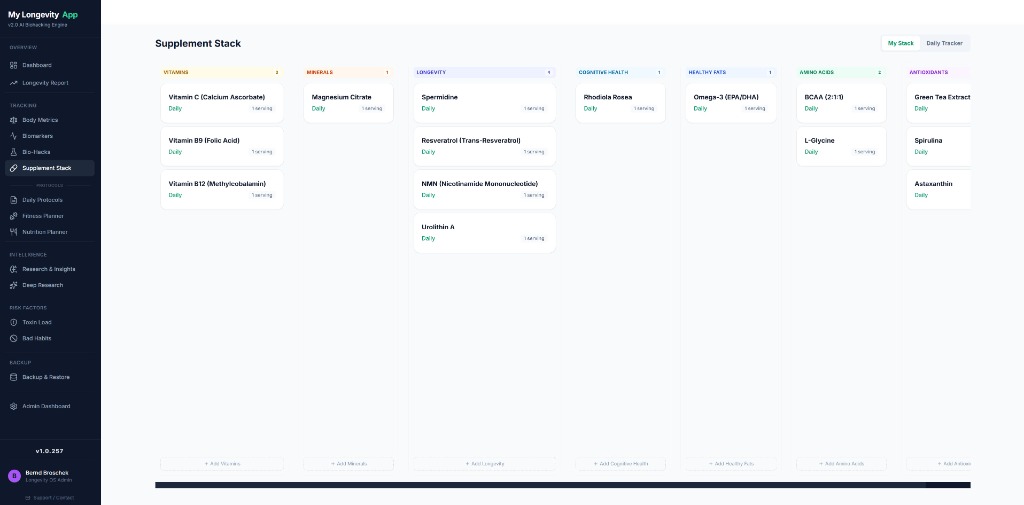
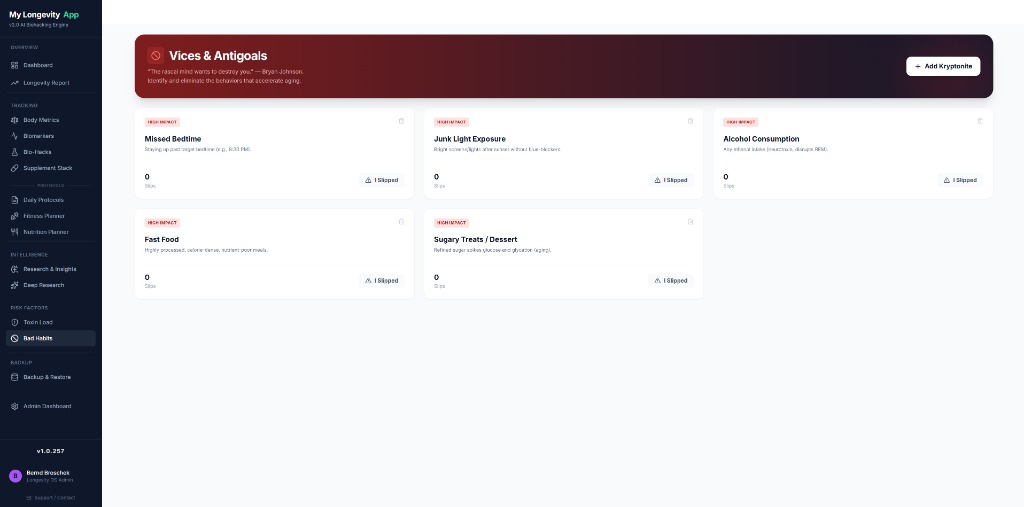
10 integrated modules working together.
Create your account in 30 seconds. No credit card required.
Upload blood work, track body metrics, or start with our AI questionnaire.
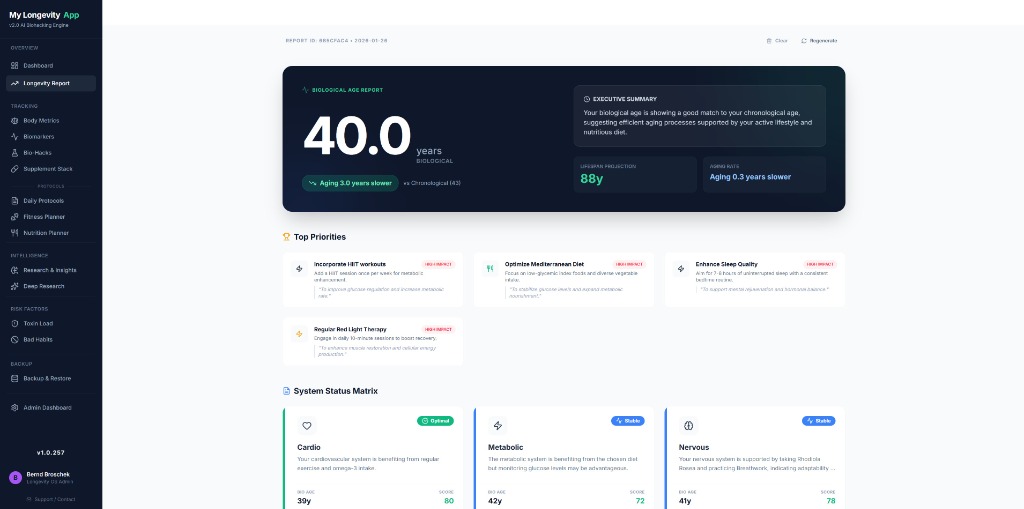
Receive your biological age score, personalized reports, and action plan.
Choose the plan that fits your biohacking journey.
Conducting a biological age body systems analysis helps identify imbalances in health, guiding personalized interventions for longevity.
Use insights from the biological age body systems analysis to implement specific lifestyle changes that enhance overall well-being and slow aging.
Schedule periodic biological age body systems analysis to track progress and adjust your biohacking strategies for optimal health outcomes.
Join thousands of biohackers optimizing their health.
"MyLongevityApp helped me lower my biological age by 5 years. The biomarker tracking is a game-changer."
"Finally one app that combines supplements, blood work, and daily protocols. I love the weekly planner."
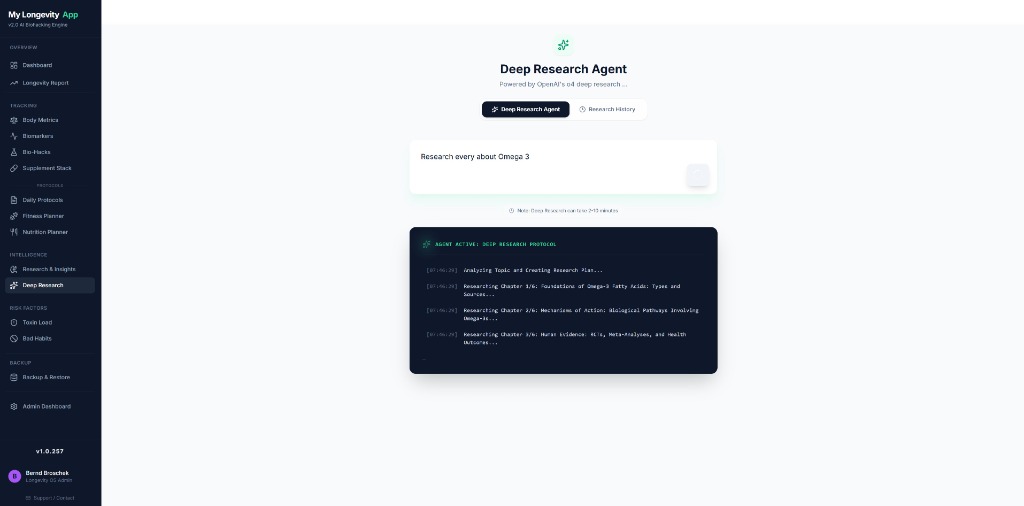
"The AI research agent alone is worth the subscription. It saves me hours of reading every week."
Biological age assessments utilize a variety of biomarkers to provide insights into an individual's health status and longevity potential. These biomarkers can reflect the functional state of different body systems, such as cardiovascular, metabolic, and immune systems. Commonly analyzed biomarkers include telomere length, DNA methylation patterns, and inflammatory markers like C-reactive protein (CRP).
Telomeres, the protective caps at the ends of chromosomes, shorten with each cell division and are indicative of cellular aging. Their length is often associated with the health of the cardiovascular system; shorter telomeres can imply an increased risk of heart diseases. Similarly, DNA methylation, a process that regulates gene expression, serves as a robust indicator of biological age. Specific methylation patterns, often referred to as epigenetic clocks, have been linked to various health outcomes, including metabolic disorders and cancer risk.
Inflammation is another critical area in biological age body systems analysis. Elevated levels of CRP and other inflammatory cytokines can signal chronic inflammation, which is associated with a range of age-related diseases, including neurodegenerative conditions and diabetes. Monitoring these biomarkers helps in understanding how well these systems are functioning and can guide interventions aimed at promoting longevity.
For individuals seeking to assess their biological age and understand their health better, utilizing tools like MyLongevityApp can provide personalized insights based on an array of biomarkers. By tracking these indicators regularly, you can make informed lifestyle changes that target specific systems in need of attention. Prioritizing regular check-ups and utilizing cutting-edge tools can empower you to take charge of your health and longevity journey.
Understanding biological age through body systems analysis is a pivotal aspect of personalizing longevity strategies for individuals. Biological age refers to how well your body is functioning relative to your chronological age. By assessing various body systems—such as cardiovascular, metabolic, and immune health—individuals can gain insights into their overall vitality and risk factors for age-related diseases.
Body systems analysis provides a comprehensive view of how different physiological processes interact. For instance, if an analysis shows that a person’s metabolic system is lagging, targeted interventions such as dietary adjustments, exercise regimens, or supplements can be implemented to enhance metabolic function. This tailored approach not only addresses current health concerns but also helps in creating a proactive strategy for longevity, allowing individuals to focus on specific areas of improvement.
Platforms like MyLongevityApp facilitate this analysis by offering tools that track and assess biological age based on a variety of health metrics. This data-driven approach empowers users to make informed decisions about their health and longevity strategies. By understanding their unique biological profiles, individuals can prioritize interventions that are most relevant to their specific needs, resulting in more effective and personalized longevity plans.
An actionable takeaway is to engage in regular body systems analysis, either through professional assessments or user-friendly applications like MyLongevityApp, to gain a clearer understanding of your biological age. This knowledge can guide you in making informed lifestyle changes that promote longevity and enhance your quality of life.
Assessing biological age through a comprehensive analysis of multiple body systems is crucial for understanding an individual's overall health and longevity potential. Relying on a single metric, such as chronological age or just one biological marker, can provide a limited view that overlooks the complexity of human physiology. Biological age reflects how well the body is functioning compared to its actual age, and this requires a more nuanced approach.
Different body systems—such as cardiovascular, metabolic, immune, and hormonal systems—interact in intricate ways, influencing overall health and aging. For instance, a well-functioning cardiovascular system can mitigate some risks associated with aging, while metabolic dysfunction can lead to chronic diseases. By conducting a biological age body systems analysis, one can identify specific areas of strength and weakness, allowing for targeted interventions that can enhance healthspan and lifespan.
Moreover, such a comprehensive assessment can reveal underlying issues that may not be immediately apparent through isolated metrics. For instance, a person may have a “younger” biological age based on one biomarker, but still face significant risks due to dysfunction in other systems. Tools like MyLongevityApp can facilitate this multi-faceted approach, providing users with insights into various biomarkers and how they collectively inform biological age.
Prioritizing a holistic evaluation of body systems enables more personalized health strategies. It empowers individuals to take actionable steps, such as lifestyle modifications or targeted supplementation, to optimize their health outcomes. Embracing a multi-system perspective on biological age is essential for anyone serious about enhancing their longevity and overall well-being.
Advancements in longevity and biohacking have led to significant developments in technologies and methodologies for performing biological age body systems analysis. Various approaches are now utilized to assess the biological age of individuals, enabling a deeper understanding of how well their body systems are functioning relative to their chronological age.
One of the most effective methodologies is the use of biomarkers, which provide measurable indicators of biological processes. Common biomarkers include telomere length, epigenetic changes, and levels of specific proteins and metabolites in the blood. Epigenetic clocks, such as the Horvath clock, leverage DNA methylation patterns to predict biological age with remarkable accuracy. These clocks have become a cornerstone in biological age body systems analysis, offering insights into the aging process at a molecular level.
Another promising area involves advanced imaging techniques, such as MRI and ultrasound. These imaging modalities can assess structural and functional changes in various body systems, including cardiovascular and muscular health, thereby providing a comprehensive view of biological age. Wearable technology also plays a role; devices that monitor heart rate variability, sleep patterns, and physical activity can yield valuable data for assessing health metrics related to aging.
MyLongevityApp combines some of these innovative approaches by providing users with personalized insights based on biological markers and lifestyle data. This integration allows individuals to track their biological age and make informed decisions about health interventions.
For those interested in optimizing their healthspan, engaging in regular biological age body systems analysis can be a game-changer. Utilizing available technologies and methodologies not only helps in understanding current health status but also empowers individuals to implement targeted lifestyle changes that can enhance longevity.
Individuals should consider undergoing biological age assessments when they are looking to gain insights into their overall health and longevity. This type of evaluation can provide valuable data regarding how well their body systems are functioning compared to their chronological age. Factors such as lifestyle changes, significant health events, or the desire to optimize wellness can all prompt an individual to seek a biological age body systems analysis.
For many, an annual assessment can serve as a proactive measure to monitor health trends and make informed adjustments to lifestyle and wellness strategies. However, certain life stages or health changes may warrant more frequent evaluations. For example, if an individual is implementing significant dietary changes, beginning a new exercise regimen, or managing chronic health issues, more regular assessments—perhaps every six months—might be beneficial.
Using tools like MyLongevityApp can facilitate tracking biological age changes over time, allowing individuals to visualize the impact of their health interventions. By regularly assessing biological age, individuals can better understand the effectiveness of their biohacking strategies and make informed decisions that align with their longevity goals.
To maximize the benefits of biological age assessments, individuals should aim to schedule evaluations based on their health status and lifestyle changes, ensuring they stay aligned with their longevity objectives.
Join 10,000+ biohackers optimizing their health with AI.
Start Your 7-Day Free TrialNo credit card required. Cancel anytime.