Discover essential blood tests to optimize your health and enhance longevity effectively.
Navigating the world of health can feel overwhelming, especially when you're trying to figure out which blood tests are important for your longevity journey. You may be seeking clarity amidst a sea of information, feeling anxious about whether you're missing crucial insights into your body’s health. This quest for understanding can stir up feelings of uncertainty and fear, as you strive to take control of your well-being and optimize your life.
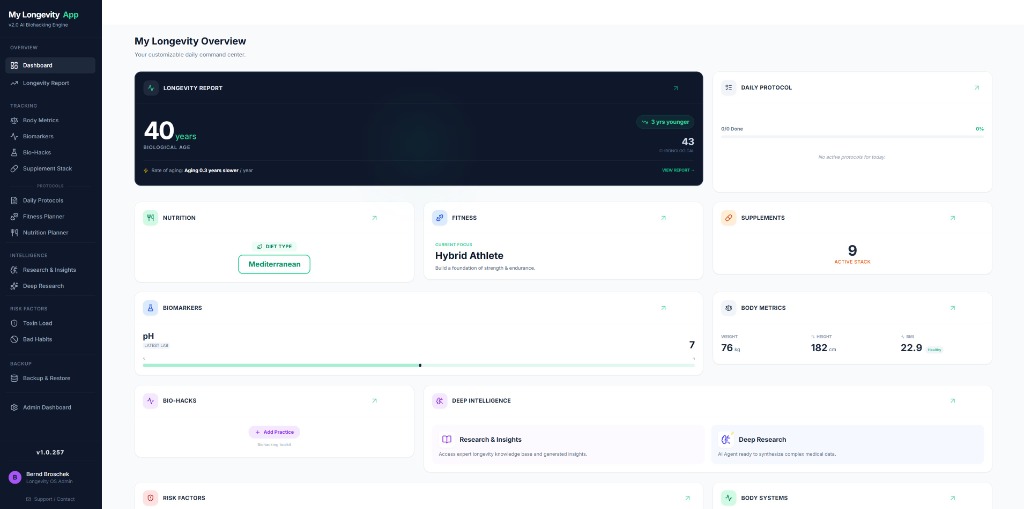
Advanced biohacking tools at your fingertips.
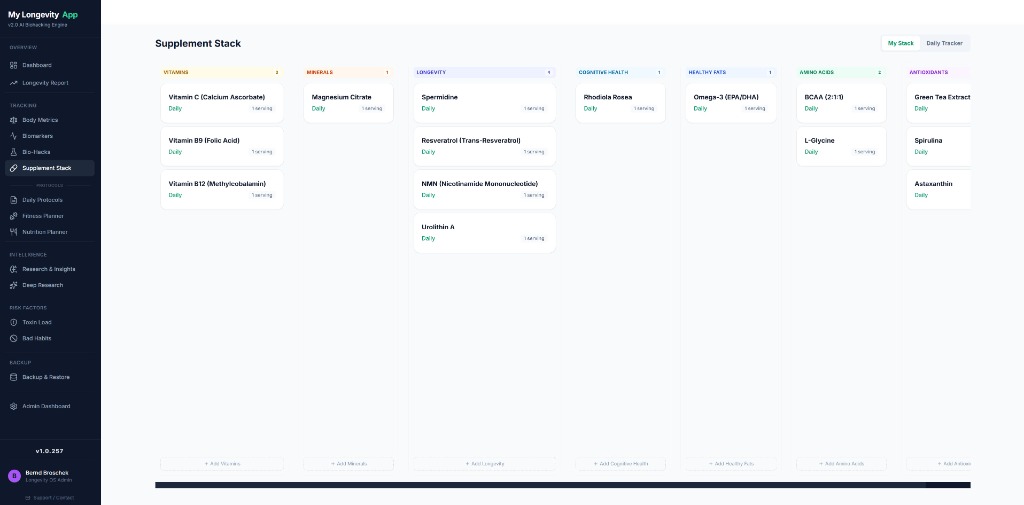
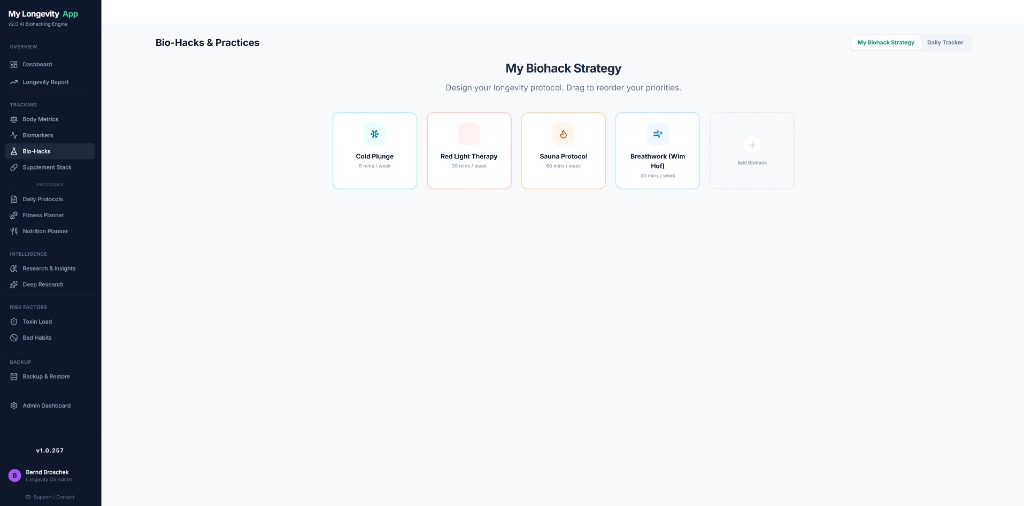
10 integrated modules working together.
Create your account in 30 seconds. No credit card required.
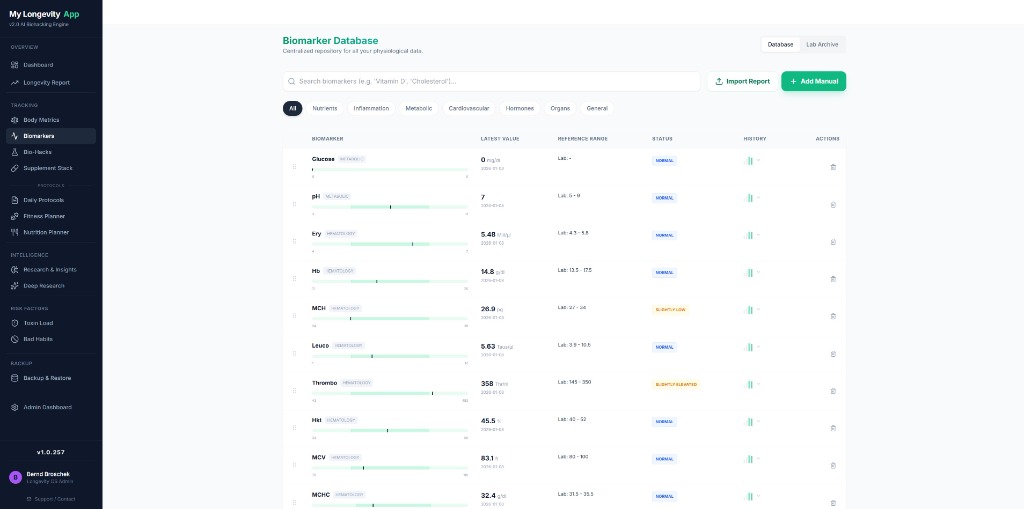
Upload blood work, track body metrics, or start with our AI questionnaire.
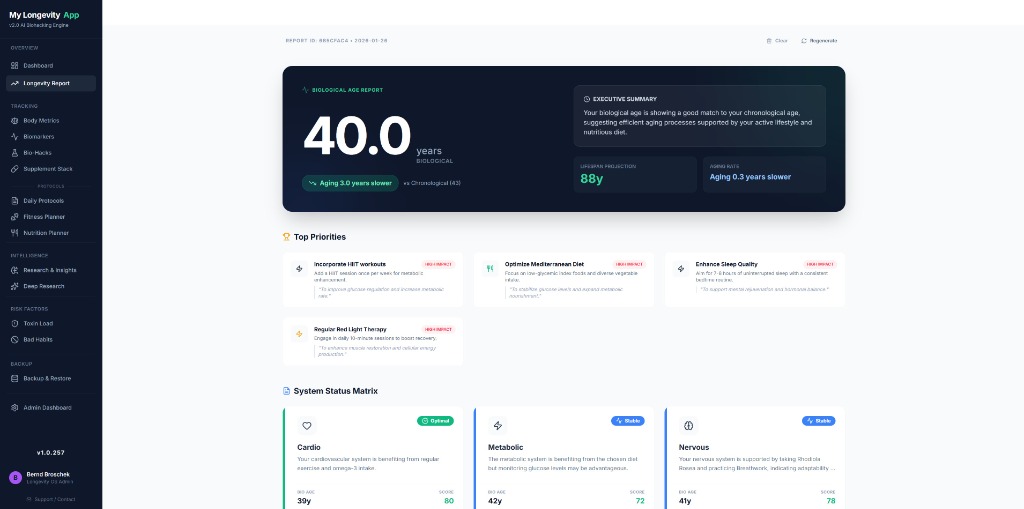
Receive your biological age score, personalized reports, and action plan.
Choose the plan that fits your biohacking journey.
This panel provides insights into your metabolism and organ function, helping you understand which blood tests are important for overall health.
A lipid profile measures cholesterol levels, crucial for assessing cardiovascular health and determining which blood tests are important for longevity.
Evaluating hormone levels can reveal imbalances that affect aging, emphasizing why knowing which blood tests are important is essential for biohacking your health.
Join thousands of biohackers optimizing their health.
"MyLongevityApp helped me lower my biological age by 5 years. The biomarker tracking is a game-changer."
"Finally one app that combines supplements, blood work, and daily protocols. I love the weekly planner."
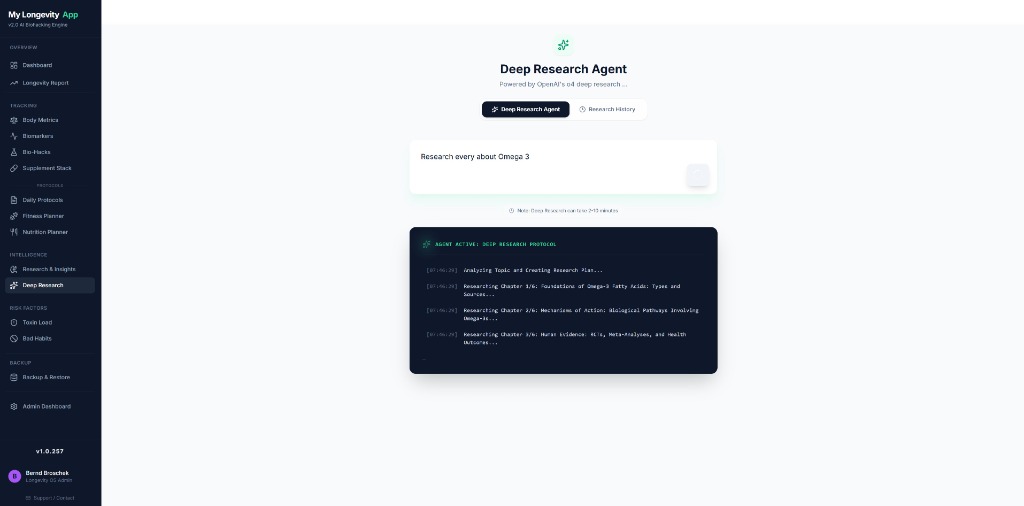
"The AI research agent alone is worth the subscription. It saves me hours of reading every week."
Monitoring longevity and overall health involves a proactive approach, particularly through regular blood testing. Individuals keen on enhancing their lifespan should prioritize specific blood tests that provide insights into various health metrics.
One of the most fundamental tests is a comprehensive metabolic panel (CMP), which assesses kidney and liver function, electrolyte balance, and glucose levels. These parameters are crucial for evaluating metabolic health, which directly impacts longevity. Additionally, a complete blood count (CBC) offers insight into immune function and can help detect infections or blood disorders early.
Another vital test is the lipid panel, which measures cholesterol levels, including LDL and HDL. Elevated levels of LDL cholesterol are associated with cardiovascular disease, a significant factor affecting longevity. Furthermore, testing for inflammatory markers, such as C-reactive protein (CRP), can help assess systemic inflammation, a known contributor to chronic diseases.
Hormonal balance also plays a critical role in longevity. Measuring testosterone, estrogen, and thyroid hormones can provide insight into metabolic health and energy levels. Given the importance of cellular health, tests for vitamin D and B12 levels should not be overlooked, as deficiencies in these vitamins can lead to various health issues.
Individuals interested in tracking their longevity can utilize platforms like MyLongevityApp, which helps monitor these essential biomarkers over time.
To effectively manage your health and longevity, prioritize these blood tests: CMP, CBC, lipid panel, inflammatory markers, and vitamin levels. Regular monitoring will allow for timely interventions and a more informed approach to your health journey.
Understanding the results of key blood tests can be a transformative aspect of personalized biohacking strategies. Blood tests provide invaluable insights into an individual's health status, allowing for targeted interventions that can enhance longevity and overall well-being. By identifying specific biomarkers, individuals can tailor their diets, exercise regimens, and supplementation plans to align with their unique physiological needs.
The first step in this process is knowing which blood tests are important. Common tests such as lipid panels, glucose levels, and hormone profiles can reveal potential risk factors for chronic diseases. For instance, elevated cholesterol levels may prompt dietary changes or increased physical activity, while imbalanced hormones can lead to adjustments in lifestyle or supplementation. Moreover, tests that measure inflammation markers, such as C-reactive protein (CRP), can guide strategies to reduce systemic inflammation, a common contributor to aging-related conditions.
Using platforms like MyLongevityApp, individuals can track their blood test results over time, identifying trends that inform their biohacking journey. This data-driven approach allows for proactive management of health rather than reactive measures. By regularly reviewing and interpreting these results, one can refine their biohacking strategies, ensuring they are both effective and sustainable.
An actionable takeaway is to schedule regular blood tests and establish a routine for analyzing the results. Collaborate with a healthcare professional or a biohacking coach to understand the implications of your specific biomarkers. This proactive approach can empower you to create a personalized plan that optimizes your health for longevity and enhances your quality of life.
Biomarkers measured in blood tests serve as vital indicators of biological age and can reveal underlying health risks associated with aging. As we age, our bodies undergo various changes that can influence our overall health, making it essential to monitor specific biomarkers regularly. Certain blood tests can provide insights into metabolic functions, inflammatory processes, and nutrient levels, all of which are critical for assessing age-related health risks.
For instance, markers such as glucose levels, cholesterol profiles, and inflammatory markers like C-reactive protein (CRP) can indicate the risk of chronic diseases such as diabetes, cardiovascular conditions, and even cancer. Elevated glucose levels may suggest insulin resistance, a precursor to type 2 diabetes, while high levels of LDL cholesterol can signify an increased risk of heart disease. Monitoring these biomarkers allows for early intervention, potentially mitigating the effects of age-related health decline.
Moreover, measuring hormone levels, including testosterone and estrogen, can provide insights into how hormonal changes impact aging. These hormones play crucial roles in maintaining muscle mass, bone density, and overall vitality. Identifying imbalances through blood tests can lead to targeted lifestyle changes or medical interventions that enhance health and longevity.
Using platforms like MyLongevityApp can help individuals track these important biomarkers over time, facilitating a personalized approach to health management. By understanding which blood tests are important and their implications, individuals can take proactive steps to optimize their health as they age. Regularly scheduled blood tests, combined with lifestyle adjustments informed by the results, can significantly reduce age-related health risks and improve quality of life.
Monitoring inflammation and oxidative stress is vital for those pursuing a longevity-focused lifestyle. Understanding which blood tests are important can provide insights into your body’s health and help guide interventions for improved well-being.
One of the key tests is the C-reactive protein (CRP) test. Elevated levels of CRP indicate inflammation, which is linked to various chronic diseases, including heart disease and diabetes. Regularly tracking CRP levels can help you assess your inflammatory status and make necessary lifestyle adjustments.
Another significant marker is the erythrocyte sedimentation rate (ESR), which measures how quickly red blood cells settle at the bottom of a test tube. A higher ESR can indicate inflammation and is often used in conjunction with CRP for a more comprehensive view of your inflammatory health.
To evaluate oxidative stress, the advanced oxidation protein products (AOPP) test is beneficial. This test quantifies the levels of oxidized proteins, providing a clear indication of oxidative damage in the body. Additionally, measuring glutathione levels—often referred to as the body's master antioxidant—can help you understand your oxidative stress levels and overall antioxidant capacity.
MyLongevityApp can assist you in tracking these results over time, allowing for data-driven decisions regarding dietary and lifestyle changes. Regular blood testing can empower you to implement strategies that reduce inflammation and combat oxidative stress, paving the way for a healthier, longer life.
For actionable steps, consider scheduling regular blood tests to monitor these key markers and discuss the results with a healthcare professional to develop a personalized plan that aligns with your longevity goals.
Determining the optimal time to conduct blood tests is crucial for accurately assessing the impact of biohacking interventions on health. The timing of these tests can significantly influence the results, as various factors such as diet, exercise, and sleep patterns can fluctuate daily. To achieve reliable data, it is essential to establish a baseline before implementing any biohacking strategies, allowing for a clear comparison over time.
Blood tests should ideally be conducted in a fasted state, typically in the morning, to minimize the influence of recent meals on the results. This is particularly important for tests measuring glucose, lipids, and other metabolic markers. After establishing a baseline, follow-up tests can be scheduled at regular intervals, such as every three to six months, to monitor changes and evaluate the effectiveness of specific interventions.
It’s also important to consider what specific metrics you are tracking. Understanding which blood tests are important for your goals can guide the timing and frequency of testing. For example, if you are focusing on optimizing hormone levels through biohacking, tests for testosterone, cortisol, and thyroid function should be prioritized. Platforms like MyLongevityApp can help track these metrics, providing insights into your progress and suggesting optimal testing schedules based on your personalized biohacking plan.
Engaging with a healthcare professional to interpret the results is advisable. They can provide context to the changes observed and suggest modifications to your biohacking regimen, ensuring that your approach is scientifically informed and tailored to your individual health needs.
Join 10,000+ biohackers optimizing their health with AI.
Start Your 7-Day Free TrialNo credit card required. Cancel anytime.