Unlock vital insights from your vitamin B12 deficiency blood work to enhance your health.
When you find yourself searching for "vitamin b12 deficiency blood work how to interpret results," it often stems from a place of concern and confusion. You may be feeling fatigued, mentally foggy, or even anxious, unsure of why your body isn’t functioning as it should. The anxiety of deciphering medical jargon can be overwhelming, leaving you yearning for clarity and reassurance about your health and vitality. Understanding your results is not just about numbers; it’s about reclaiming your energy and well-being, and you deserve to navigate this journey with confidence.
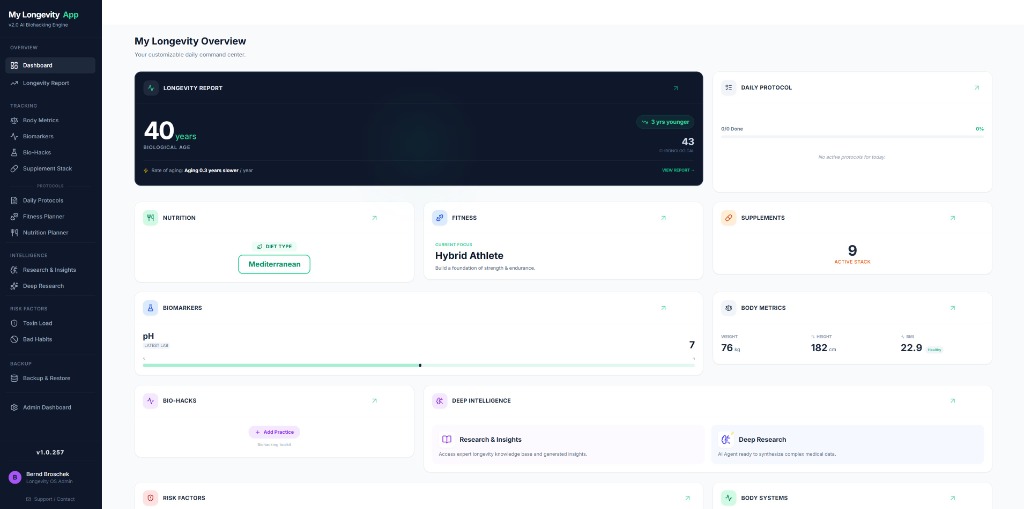
Advanced biohacking tools at your fingertips.
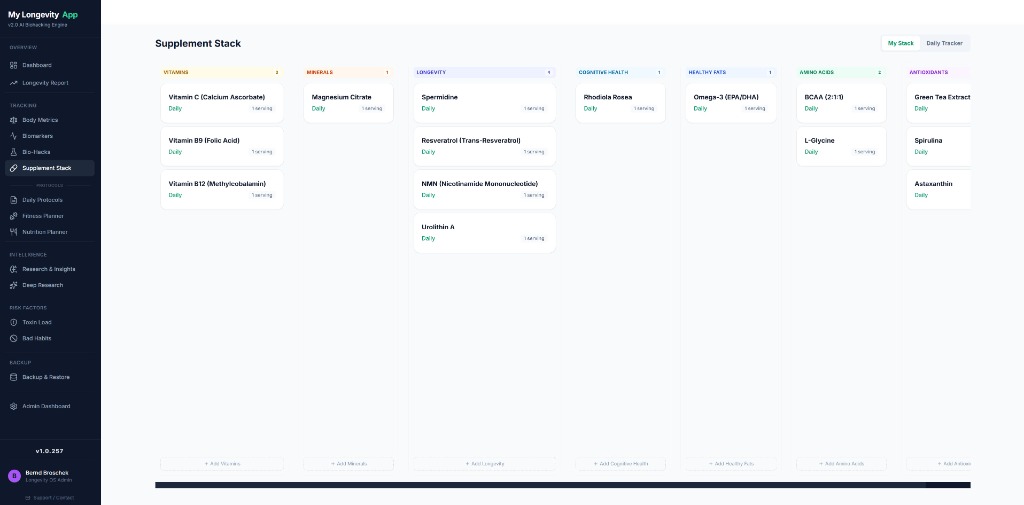
10 integrated modules working together.
Create your account in 30 seconds. No credit card required.
Upload blood work, track body metrics, or start with our AI questionnaire.
Receive your biological age score, personalized reports, and action plan.
Choose the plan that fits your biohacking journey.
Assess your vitamin B12 levels through blood work; this is essential for understanding potential deficiencies.
Know the normal range for vitamin B12 in your results to identify if you're deficient or within healthy limits.
Discuss your vitamin B12 deficiency blood work how to interpret results with a healthcare provider for personalized advice.
Join thousands of biohackers optimizing their health.
"MyLongevityApp helped me lower my biological age by 5 years. The biomarker tracking is a game-changer."
"Finally one app that combines supplements, blood work, and daily protocols. I love the weekly planner."
"The AI research agent alone is worth the subscription. It saves me hours of reading every week."
Accurate diagnosis of vitamin B12 deficiency requires a comprehensive approach to blood work. The primary biomarker to assess is serum vitamin B12 itself, which reflects the current level of B12 in the bloodstream. However, low serum levels alone may not provide a complete picture, as they can be influenced by various factors such as recent dietary intake or liver function.
Methylmalonic acid (MMA) is another crucial biomarker to analyze. Elevated MMA levels indicate a functional deficiency of vitamin B12, as this compound accumulates when B12 is insufficient to convert it into succinyl-CoA. This measurement is particularly useful because it can reveal a deficiency even when serum B12 levels appear normal. Homocysteine levels should also be examined; elevated homocysteine is associated with a lack of B12 and indicates impaired methylation processes in the body.
In some cases, intrinsic factor antibodies may be tested to determine if pernicious anemia is the underlying cause of the deficiency. This autoimmune condition prevents the absorption of vitamin B12 in the intestines, requiring a different approach to treatment.
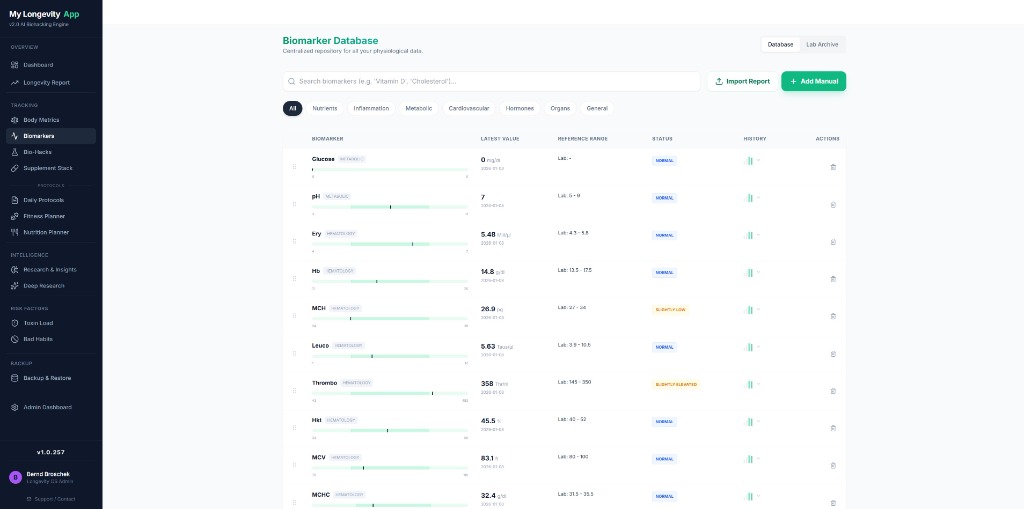
When conducting vitamin B12 deficiency blood work, it's essential to interpret results holistically. Incorporating tools like MyLongevityApp can aid in tracking these biomarkers over time, providing insights into your nutritional status and helping you make informed health decisions.
By analyzing serum vitamin B12, MMA, homocysteine, and intrinsic factor antibodies, you can achieve a comprehensive understanding of your vitamin B12 status and tailor your dietary or supplementation strategies accordingly. Monitor these biomarkers regularly to maintain optimal health and address any deficiencies promptly.
Vitamin B12 is essential for numerous bodily functions, including red blood cell formation, neurological health, and DNA synthesis. Variations in vitamin B12 levels can significantly impact overall health and longevity, particularly as we age. A deficiency in this vital nutrient can lead to various health issues, including anemia, cognitive decline, and increased risk of chronic diseases.
For older adults, maintaining adequate vitamin B12 levels is crucial. As the body ages, the ability to absorb B12 from food diminishes, often leading to a deficiency. This can manifest as fatigue, weakness, and neurological problems. Research has shown that older individuals with low B12 levels may experience an accelerated rate of cognitive decline, making it imperative for this age group to monitor their levels closely. Regular vitamin B12 deficiency blood work helps identify potential deficiencies, enabling timely intervention and management.
Younger adults may not experience immediate symptoms of vitamin B12 deficiency, but they are not immune to its long-term implications. Insufficient B12 levels during formative years can affect energy levels, mood, and overall metabolism, setting the stage for health issues later in life. It’s essential for individuals across all age groups to understand the importance of maintaining optimal B12 levels.
For those looking to interpret their vitamin B12 deficiency blood work results accurately, utilizing tools like MyLongevityApp can provide personalized insights. This application can help individuals track their nutrient intake and understand how their levels align with their health goals.
Regular monitoring and understanding of vitamin B12 levels can empower individuals to take proactive steps in enhancing their overall health and longevity. Aim for a balanced diet rich in B12 sources and consider supplementation if necessary, particularly as you age or if you follow a plant-based diet.
When evaluating vitamin B12 deficiency blood work, how to interpret results goes beyond merely checking serum B12 levels. While low serum B12 can indicate a deficiency, it does not provide a complete picture. This is where additional tests, such as methylmalonic acid (MMA) and homocysteine levels, become crucial for accurate assessment.
MMA is a sensitive marker for B12 deficiency. When vitamin B12 is insufficient, MMA levels rise because B12 is essential for its metabolism. Elevated MMA can indicate a functional deficiency even when serum B12 appears normal. This is particularly relevant for individuals with certain metabolic conditions or those with borderline serum B12 levels. Therefore, measuring MMA provides a clearer insight into whether the body is able to utilize the available B12 effectively.
Similarly, homocysteine levels serve as another critical indicator. High homocysteine can be a result of inadequate B12, which is necessary for converting homocysteine into methionine. Elevated homocysteine levels have been linked with cardiovascular disease and neurodegenerative conditions, making this a vital aspect of evaluating an individual’s overall health.
For those invested in longevity and biohacking, understanding these additional markers can guide more personalized health strategies. MyLongevityApp, for instance, can help track these biomarkers over time, offering insights into how dietary or lifestyle changes impact vitamin B12 status and overall well-being.
Incorporating MMA and homocysteine testing into your assessment of vitamin B12 deficiency can lead to more informed health decisions. Consider discussing these additional tests with your healthcare provider to ensure a comprehensive evaluation of your vitamin B12 status.
Vitamin B12 deficiency can present a complex clinical picture, especially when standard blood tests yield normal results. Symptoms such as fatigue, weakness, cognitive disturbances, and even mood changes may still indicate a deficiency despite these seemingly normal vitamin B12 deficiency blood work results. This discrepancy often arises because conventional blood tests may not assess B12 status comprehensively, missing factors like cellular absorption issues or the presence of functional deficiency.
In clinical settings, practitioners should consider the patient's clinical history and symptoms alongside their blood work. For example, neurological symptoms like tingling, numbness, or balance problems warrant further investigation, as they can indicate damage to the nervous system related to B12 deficiency. Additionally, measuring methylmalonic acid (MMA) and homocysteine levels can provide valuable insights, as elevated levels may indicate a functional deficiency even when serum B12 levels appear normal.
Addressing potential vitamin B12 deficiency in patients with normal blood test results involves a multifaceted approach. Physicians might recommend dietary modifications to include more B12-rich foods, such as animal products or fortified items, while also considering supplementation. Intramuscular B12 injections may be necessary in cases of severe deficiency or when absorption issues are suspected, such as in individuals with gastrointestinal disorders.
For those tracking their health and seeking to optimize their longevity, tools like MyLongevityApp can aid in monitoring symptoms and dietary intake, ensuring more personalized care. Practitioners should prioritize patient education, empowering individuals to recognize symptoms and understand the implications of their test results. Regular follow-ups and adjustments in treatment plans are crucial for effectively managing B12 status over time.
Interpreting vitamin B12 deficiency blood work requires a nuanced understanding of various contributing factors, including diet, absorption issues, and genetic predispositions. Vitamin B12, essential for nerve function and the formation of red blood cells, is primarily found in animal products. Individuals following a vegetarian or vegan diet may be at higher risk for deficiency due to the absence of natural sources. Therefore, when analyzing blood work, dietary habits should be one of the first considerations.
Absorption issues also significantly affect B12 levels. Conditions such as pernicious anemia, where the body lacks intrinsic factor necessary for B12 absorption, or gastrointestinal disorders like Crohn's disease can impair the body's ability to utilize this vitamin effectively. In these cases, blood tests may show normal or even elevated B12 levels while still indicating a functional deficiency. It's crucial to assess these underlying conditions when interpreting vitamin B12 deficiency blood work.
Genetic predispositions can further complicate the analysis. Certain genetic variations can affect how the body metabolizes B12, leading to elevated homocysteine levels and increased risk for cardiovascular issues, even when blood work shows adequate B12 levels. Such nuances highlight the importance of a comprehensive evaluation that goes beyond simple numerical values.
For those looking to optimize their health and longevity, it’s essential to not only interpret blood work results but also consider these factors. Utilizing tools like MyLongevityApp can help track dietary intake, absorption health, and genetic data to provide a holistic view of your vitamin B12 status. A proactive approach, including dietary adjustments or supplementation based on individual needs, can significantly improve overall health and prevent long-term complications related to deficiency.
Join 10,000+ biohackers optimizing their health with AI.
Start Your 7-Day Free TrialNo credit card required. Cancel anytime.