Discover the ideal cutoff time for coffee to enhance your sleep quality and overall health.
Many people struggle with the delicate balance between enjoying their favorite cup of coffee and ensuring a good night’s sleep. As they lie awake, tossing and turning, they often wonder about the impact of their caffeine consumption, leading them to search for answers about sleep and caffeine—how long before bed should you stop coffee? This internal conflict can create feelings of frustration and helplessness, especially when they know that restful sleep is essential for their overall well-being and longevity.
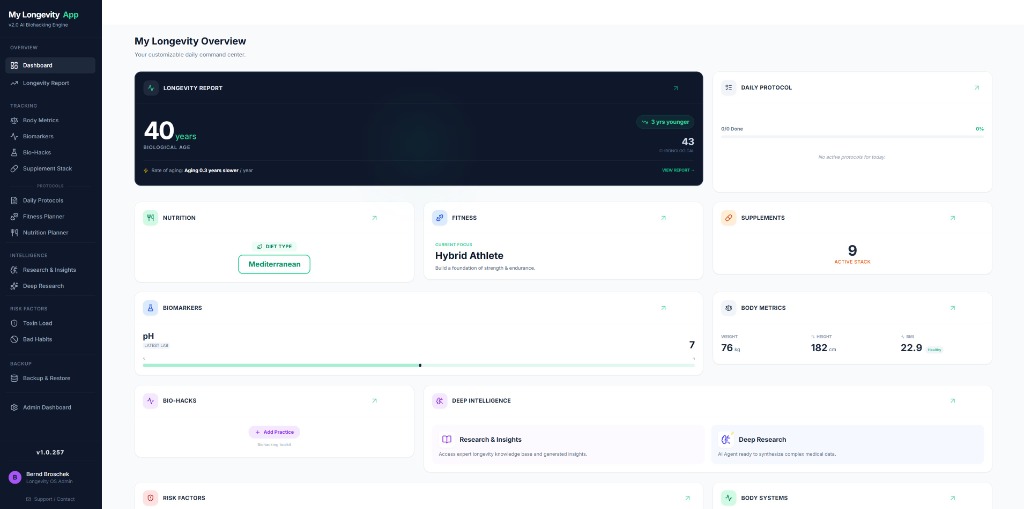
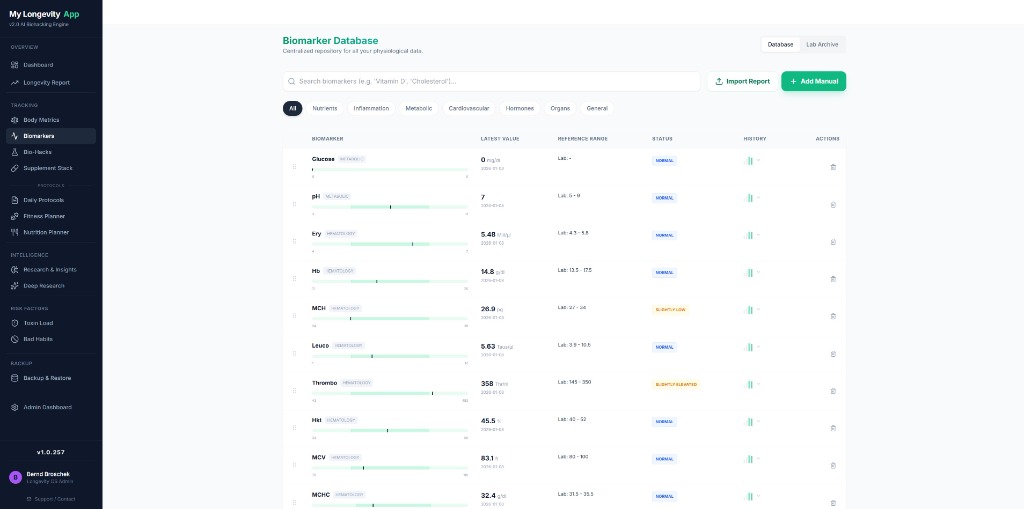
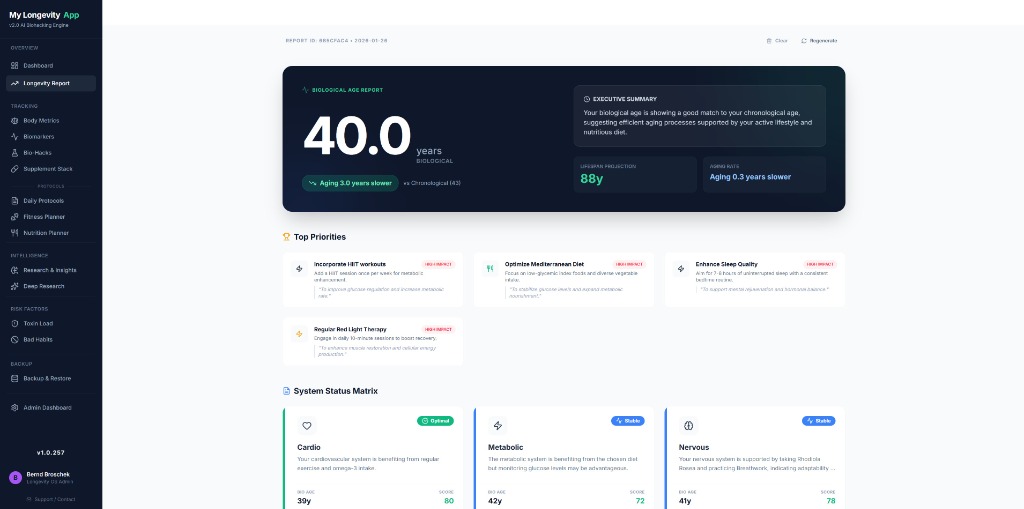
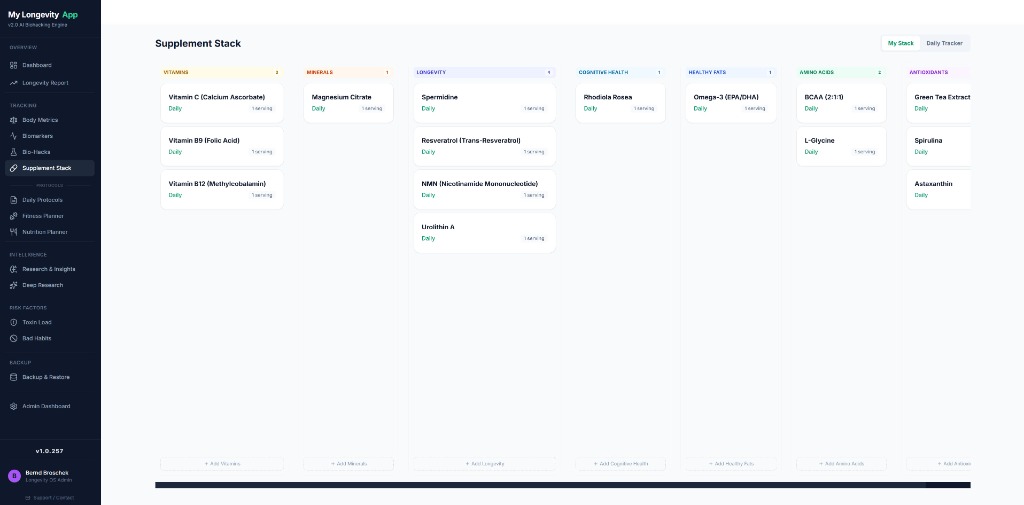
Advanced biohacking tools at your fingertips.
10 integrated modules working together.
Create your account in 30 seconds. No credit card required.
Upload blood work, track body metrics, or start with our AI questionnaire.
Receive your biological age score, personalized reports, and action plan.
Choose the plan that fits your biohacking journey.
Aim to stop caffeine intake at least 6 hours before bedtime to improve sleep quality.
Track your caffeine consumption throughout the day to find your personal threshold for optimal sleep.
Experiment with different cut-off times to see what works best for you; sleep and caffeine how long before bed should you stop coffee varies per individual.
Join thousands of biohackers optimizing their health.
"MyLongevityApp helped me lower my biological age by 5 years. The biomarker tracking is a game-changer."
"Finally one app that combines supplements, blood work, and daily protocols. I love the weekly planner."
"The AI research agent alone is worth the subscription. It saves me hours of reading every week."
Caffeine, a widely consumed stimulant found in coffee, tea, and various energy drinks, has significant physiological effects on sleep quality. Research indicates that caffeine can disrupt sleep architecture by reducing total sleep time, delaying the onset of sleep, and diminishing deep sleep stages. The half-life of caffeine in the body ranges from 3 to 7 hours, meaning that its stimulating effects can linger long after consumption. This raises the question: sleep and caffeine how long before bed should you stop coffee? Experts generally recommend ceasing caffeine intake at least six hours before bedtime to minimize its impact on sleep.
However, the effects of caffeine vary considerably among individuals due to factors such as genetic predisposition, habitual caffeine consumption, and overall health. Some people metabolize caffeine quickly, experiencing minimal disruption to their sleep, while others may find even small amounts significantly impair their sleep quality. Additionally, individuals with anxiety or certain medical conditions may be more sensitive to caffeine, experiencing heightened effects that can lead to insomnia or restlessness.
For those looking to optimize their sleep quality, it’s essential to monitor personal caffeine consumption and its timing. Keeping a sleep diary can help identify patterns and correlations between caffeine intake and sleep disturbances. MyLongevityApp offers tools to track sleep and lifestyle factors, allowing users to fine-tune their habits for improved rest.
As a practical takeaway, consider establishing a caffeine cutoff time tailored to your unique response. If you notice sleep issues, try eliminating caffeine in the afternoon and assess the impact on your overall sleep quality. This approach can lead to more restorative sleep and enhance your overall well-being.
The relationship between sleep and caffeine is complex, and understanding how long before bed one should stop consuming coffee can significantly improve sleep quality. Caffeine, a stimulant found in coffee, can remain active in the body for several hours, impacting sleep patterns if consumed too close to bedtime. Research indicates that individuals should ideally refrain from caffeine intake at least six hours before sleep. For instance, if you plan to go to bed at 10 PM, it would be wise to stop drinking coffee by 4 PM.
The reason behind this recommendation stems from caffeine's half-life, which can range from three to seven hours depending on individual metabolism, age, and overall health. Even if you feel that coffee does not affect your ability to fall asleep, it can disrupt the deeper stages of sleep, leading to a less restorative experience. This is particularly relevant for those interested in longevity and biohacking, as quality sleep is crucial for overall health and well-being.
To aid in managing your caffeine consumption, consider using tools like MyLongevityApp. This app can help track your caffeine intake and monitor sleep patterns, providing personalized insights to enhance your nightly rest.
For actionable steps, aim to set a personal cut-off time for caffeine consumption based on your sleep schedule. By paying attention to your body's responses and adjusting your habits accordingly, you can ensure that your sleep remains undisturbed and restorative.
Heightened sensitivity to caffeine varies among individuals due to a combination of genetic, metabolic, and environmental factors. Genetic polymorphisms in genes responsible for caffeine metabolism, such as CYP1A2, can lead to significant differences in how quickly caffeine is processed in the body. Some people may metabolize caffeine slowly, resulting in prolonged stimulant effects, while others may process it rapidly, experiencing fewer side effects.
Environmental factors, including habitual caffeine consumption and overall lifestyle, also play a crucial role. Regular coffee drinkers often develop a tolerance, which can mask sensitivity. Conversely, individuals who consume caffeine infrequently may find themselves more susceptible to its effects, including heightened alertness, jitteriness, or anxiety. This sensitivity can have serious implications for sleep hygiene, as caffeine's stimulant properties can interfere with the ability to fall asleep and maintain sleep quality.
Understanding the connection between sleep and caffeine is vital, especially regarding timing. For those sensitive to caffeine, a common question arises: "How long before bed should you stop coffee?" Experts recommend ceasing caffeine intake at least 6 hours prior to bedtime to minimize its disruptive effects on sleep. This guideline helps ensure that caffeine does not linger in the system, allowing for a more restful night.
To optimize your sleep hygiene, monitor your caffeine consumption and adjust your intake schedule based on your sensitivity. Utilizing tools like MyLongevityApp can help track your caffeine habits and sleep patterns, providing insights that support better sleep quality and overall well-being. Prioritize awareness of your body's unique reactions to caffeine, and make adjustments that align with your personal health goals.
For individuals looking to reduce caffeine intake before sleep, exploring alternative beverages can significantly enhance sleep quality. Consuming caffeine too close to bedtime can disrupt sleep patterns, making it essential to know "sleep and caffeine how long before bed should you stop coffee." Ideally, aim to cease coffee consumption at least four to six hours before you sleep.
Herbal teas are an excellent choice for evening relaxation. Chamomile tea, known for its calming properties, can help prepare your body for sleep. Another appealing option is valerian root tea, which may promote deeper sleep quality. Both of these herbal options are naturally caffeine-free and can create a soothing bedtime routine.
Additionally, consider drinking warm milk or plant-based alternatives like almond or oat milk. These options not only provide a comforting sensation but also contain tryptophan, an amino acid that supports the production of melatonin, the hormone that regulates sleep.
For those who prefer something with a bit more flavor, decaffeinated beverages such as decaf coffee or herbal-infused coffee alternatives can provide a similar taste experience without the stimulating effects of caffeine. Look for brands that focus on natural flavors to keep the beverage enjoyable.
Lastly, if you’re looking to track your sleep patterns and overall health, MyLongevityApp can be a valuable tool. The app allows you to monitor your sleep quality and make informed decisions about your beverage choices.
As you prepare for a good night’s rest, consider making the switch to these caffeine-free alternatives in the hours leading up to sleep. This small change can have a substantial impact on your overall sleep health.
When evaluating personal caffeine consumption, several factors must be taken into account to determine the optimal cutoff time before bed. One of the primary considerations is individual sensitivity to caffeine. People metabolize caffeine at different rates, influenced by genetics, age, and even hormonal levels. For some, a small amount of caffeine in the afternoon can disrupt sleep, while others may tolerate it better. Understanding personal tolerance can greatly assist in answering the question of sleep and caffeine: how long before bed should you stop coffee?
Another important factor is the timing of caffeine intake throughout the day. Consuming caffeine too late can lead to sleep disturbances, as it can remain in the system for several hours. The half-life of caffeine typically ranges from three to seven hours. Therefore, if you plan to go to bed at 10 PM, it may be advisable to stop consuming caffeine by 2 PM or earlier, depending on your sensitivity and habits. Monitoring your energy levels and sleep quality can help you pinpoint a more precise cutoff time.
Lifestyle factors also play a crucial role. Stress levels, diet, and physical activity can impact how caffeine affects your body. For example, individuals under high stress may find that caffeine exacerbates anxiety, leading to poorer sleep quality. Tools like MyLongevityApp can help track how different variables, including caffeine intake, affect your sleep patterns, allowing for more tailored adjustments.
Aim to establish a personal cutoff time for caffeine that aligns with your unique physiology and daily routine. This awareness will help you achieve better sleep quality and, ultimately, enhance your overall well-being.
Join 10,000+ biohackers optimizing their health with AI.
Start Your 7-Day Free TrialNo credit card required. Cancel anytime.