Unlock youthful vitality and support heart health with our premium resveratrol supplement.
Searching for a "resveratrol supplement" often comes from a place of hope and desperation. Many individuals are grappling with the fear of aging, feeling overwhelmed by the myriad of options that promise to enhance health and vitality. They yearn for a solution that not only extends their lifespan but also improves their quality of life, leaving them to wonder if such a supplement can truly deliver on its promises amidst the noise of conflicting information.
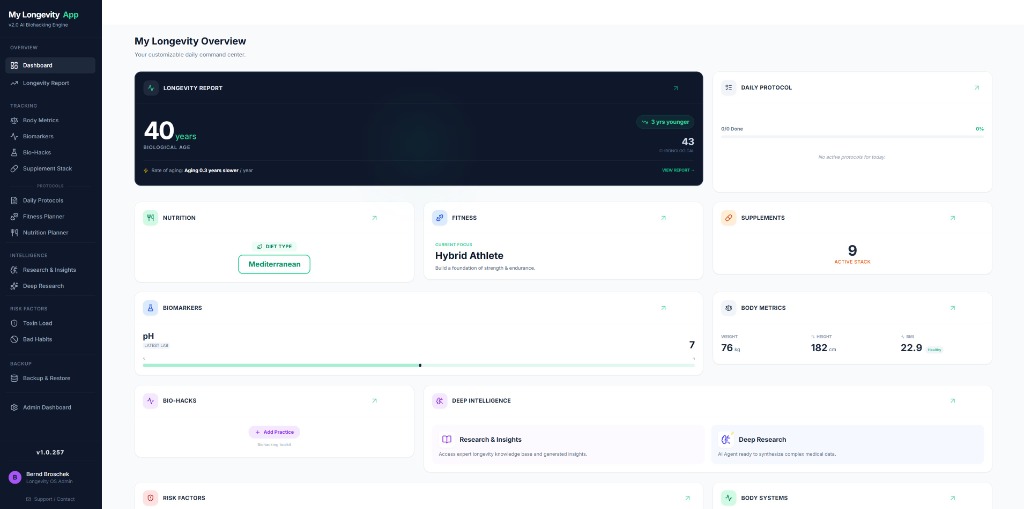
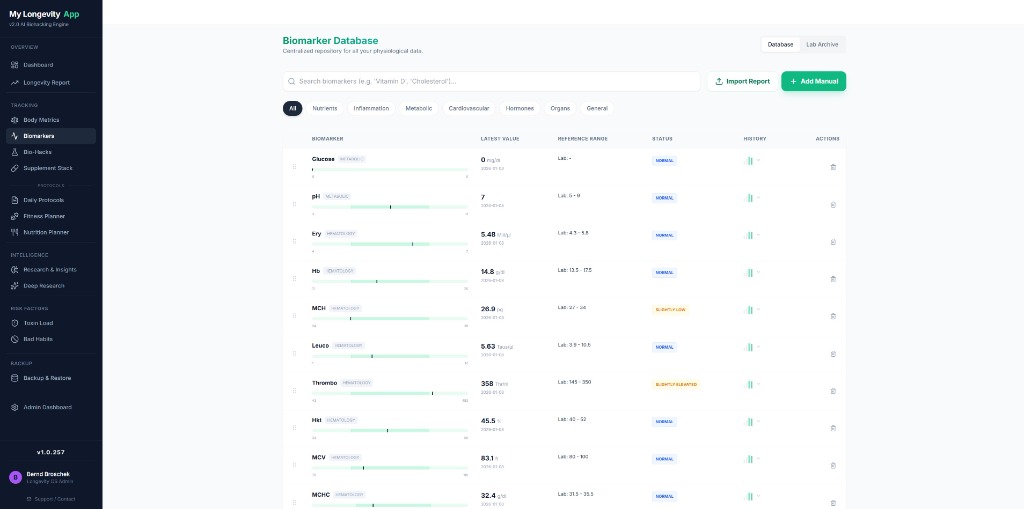
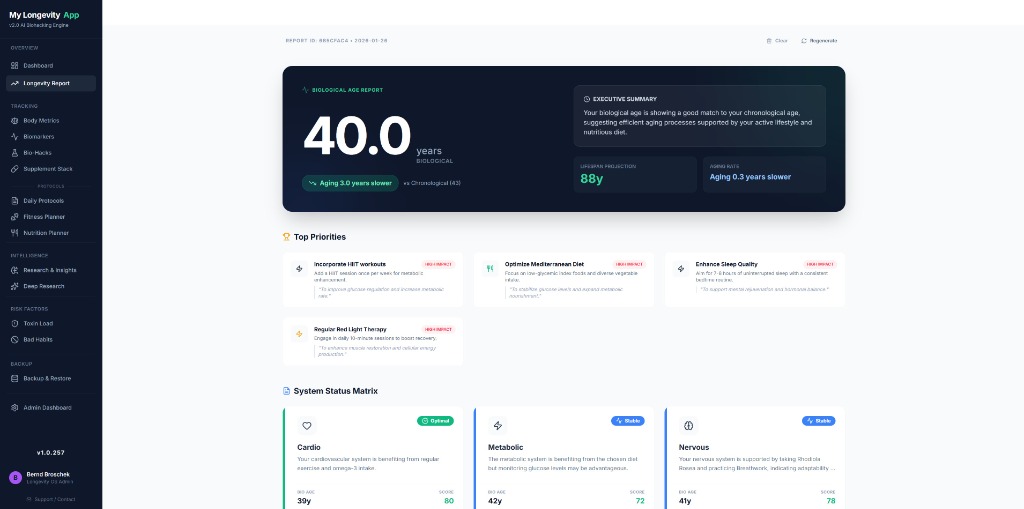
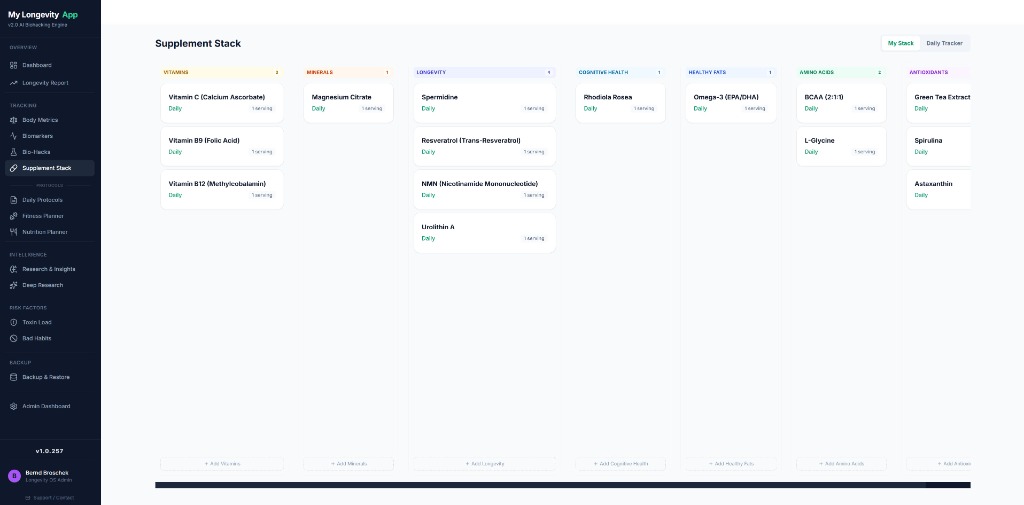
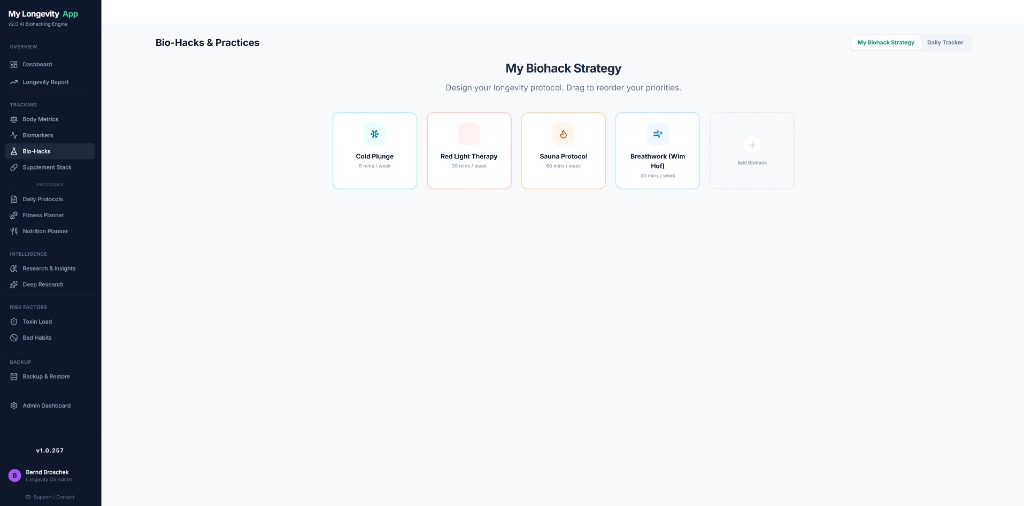
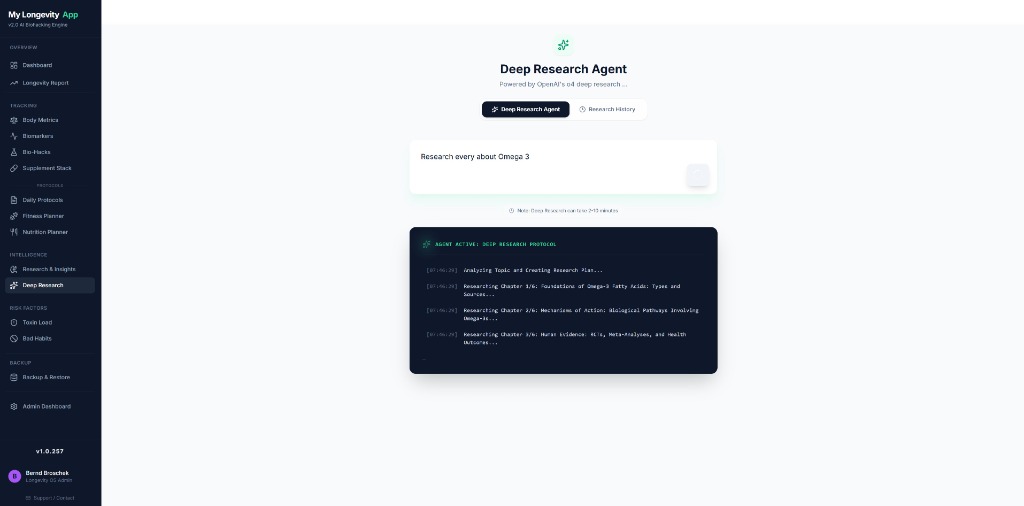
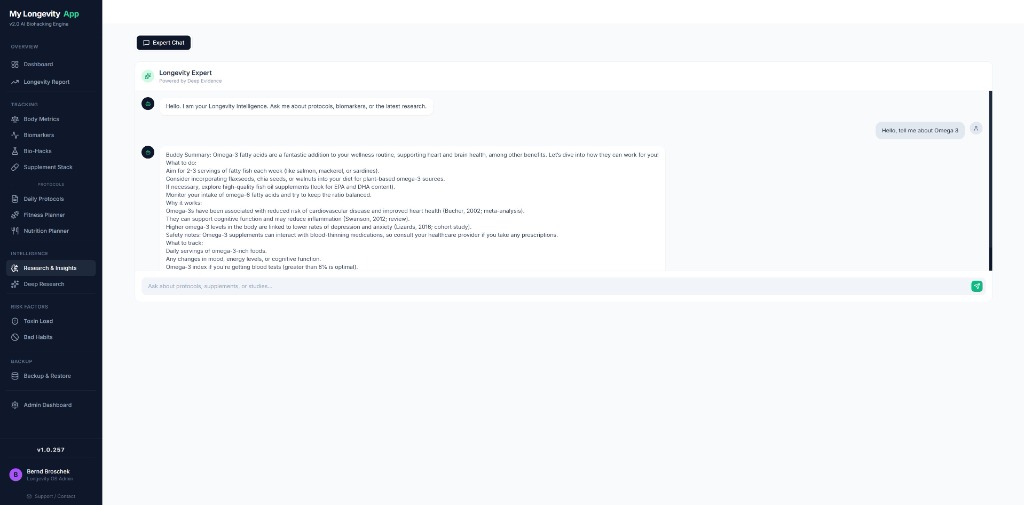
Advanced biohacking tools at your fingertips.
10 integrated modules working together.
Create your account in 30 seconds. No credit card required.
Upload blood work, track body metrics, or start with our AI questionnaire.
Receive your biological age score, personalized reports, and action plan.
Choose the plan that fits your biohacking journey.
Incorporate a resveratrol supplement to enhance your body's antioxidant defenses against oxidative stress.
Regular use of a resveratrol supplement may contribute to improved cardiovascular function and reduced inflammation.
Consider a resveratrol supplement as part of your daily routine to potentially promote healthier aging and longevity.
Join thousands of biohackers optimizing their health.
"MyLongevityApp helped me lower my biological age by 5 years. The biomarker tracking is a game-changer."
"Finally one app that combines supplements, blood work, and daily protocols. I love the weekly planner."
"The AI research agent alone is worth the subscription. It saves me hours of reading every week."
Resveratrol, a polyphenolic compound primarily found in red wine, grapes, and certain berries, has garnered attention in the longevity and biohacking communities for its potential health benefits. The biological mechanisms through which a resveratrol supplement may contribute to longevity are multifaceted, primarily involving cellular health, inflammation reduction, and metabolic regulation.
One key mechanism is the activation of sirtuins, a family of proteins that play a critical role in cellular regulation, including aging and inflammation. Sirtuins promote DNA repair and enhance mitochondrial function, which are essential for maintaining cellular health and longevity. By activating these proteins, resveratrol may help delay the aging process at a cellular level.
Another significant benefit of resveratrol is its ability to modulate inflammatory responses. Chronic inflammation is a known factor in many age-related diseases, including cardiovascular issues and neurodegenerative disorders. Resveratrol has been shown to inhibit pro-inflammatory pathways, potentially reducing the risk of these conditions and promoting overall health.
Additionally, resveratrol influences metabolic processes, particularly those related to insulin sensitivity and glucose metabolism. Improved metabolic health is crucial for longevity, as it helps to prevent obesity, diabetes, and other metabolic disorders that can accelerate aging.
For individuals interested in optimizing their health and longevity, incorporating a resveratrol supplement into their routine may be beneficial. It can be a valuable addition to a holistic health strategy, especially when combined with personalized health insights from platforms like MyLongevityApp.
Consider consulting with a healthcare professional to determine the appropriate dosage and ensure it aligns with your personal health goals.
The bioavailability of resveratrol, a polyphenolic compound found in red wine, grapes, and berries, can vary significantly between different supplement formulations. Bioavailability refers to the proportion of a substance that enters the bloodstream when introduced into the body and is made available for use or storage. This variation is crucial for understanding how effective a resveratrol supplement can be in promoting health benefits such as cardiovascular support, anti-inflammatory effects, and potential longevity enhancement.
One of the primary factors influencing the bioavailability of resveratrol is its solubility. Traditional formulations often use pure resveratrol, which has low water solubility, leading to poor absorption in the gastrointestinal tract. Consequently, many users may not experience the desired effects. However, newer formulations are addressing this issue by incorporating technologies such as nano-emulsions, liposomal delivery systems, or complexing resveratrol with phospholipids. These advanced methods can significantly enhance the solubility and absorption rate, resulting in higher bioavailability and more effective outcomes.
Furthermore, the presence of other compounds can also affect resveratrol's bioavailability. For example, supplements that include quercetin or piperine may enhance absorption due to their synergistic effects. Therefore, when choosing a resveratrol supplement, it’s essential to consider not only the dosage but also the formulation and any additional ingredients that may improve absorption.
For those interested in leveraging the potential benefits of resveratrol, utilizing platforms like MyLongevityApp can provide tailored recommendations on supplement formulations that maximize bioavailability. Evaluating the delivery method and additional components can guide consumers toward more effective options, enhancing the likelihood of achieving desired health outcomes. Prioritizing bioavailability is key to making the most of resveratrol
The dosage of resveratrol supplements can vary significantly among individuals due to several key factors. Firstly, genetic differences play a crucial role in how the body metabolizes resveratrol. Some people may have genetic variations that affect the enzymes responsible for breaking down this compound, resulting in differing levels of efficacy and bioavailability. This means that a dosage that is effective for one person may not yield the same results for another.
Age and health status are also critical considerations. As individuals age, their metabolic processes may slow down, potentially requiring adjustments in supplement intake. Moreover, those with pre-existing health conditions or those taking medications could experience interactions that necessitate a lower or higher dosage of resveratrol. It’s essential to consult with a healthcare professional to determine the most suitable amount based on personal health profiles.
Lifestyle factors such as diet and physical activity can influence resveratrol’s effectiveness as well. A diet rich in antioxidants may complement or diminish the supplement's effects, while an active lifestyle may enhance its benefits. Additionally, the quality and concentration of the resveratrol supplement itself can vary between brands, affecting how much is needed for optimal results.
For those seeking to incorporate resveratrol into their regimen, using tools like MyLongevityApp can provide personalized recommendations based on individual health metrics and goals. This approach ensures that the chosen dosage aligns with personal health needs and objectives.
Consider starting with a lower dose and monitoring your response, while remaining mindful of any changes in health or lifestyle that may warrant dosage adjustments.
Resveratrol is a polyphenolic compound known for its potential health benefits, particularly in the realm of longevity and anti-aging. Naturally occurring in various food sources, it is most commonly found in the skin of red grapes, which has led to its association with the health benefits of red wine. Other notable sources include blueberries, blackberries, raspberries, and certain nuts, particularly peanuts. Additionally, resveratrol can be found in dark chocolate and some herbal supplements, such as Japanese knotweed (Polygonum cuspidatum), a plant often used in traditional medicine.
When comparing the concentrations of resveratrol found in these natural food sources to those in resveratrol supplements, there is a significant difference. Typically, a cup of red grapes may contain around 0.2 to 5 milligrams of resveratrol, while a resveratrol supplement can provide doses ranging from 100 to 500 milligrams per serving. This disparity highlights the ease of obtaining therapeutic levels of resveratrol through concentrated supplements, especially for individuals aiming to achieve specific health goals.
For those interested in incorporating resveratrol into their diet, it is advisable to focus on a balanced approach. Consuming a variety of resveratrol-rich foods can provide additional nutrients and health benefits. However, for targeted effects or higher intake levels, a resveratrol supplement may be a more efficient option. MyLongevityApp can assist users in tracking their dietary intake and supplement usage, ensuring a comprehensive approach to health and longevity.
Incorporating both food sources and supplements, when appropriate, can maximize the potential benefits of resveratrol for longevity enthusiasts.
When considering a resveratrol supplement, users should be aware of potential side effects and interactions with other medications. Resveratrol, a natural compound found in red wine, grapes, and berries, is often taken for its antioxidant properties and potential longevity benefits. However, like any supplement, it can have adverse effects, particularly when taken in high doses.
Common side effects may include gastrointestinal discomfort, such as diarrhea, nausea, and abdominal pain. Some individuals may also experience headaches or allergic reactions, especially if they have sensitivities to grapes or other sources of resveratrol. It’s important to start with a low dose to assess tolerance before increasing the amount.
Interactions with medications are another critical consideration. Resveratrol can inhibit certain cytochrome P450 enzymes, which are responsible for metabolizing various drugs in the liver. This inhibition may alter the effectiveness of medications such as blood thinners (e.g., warfarin), anti-inflammatory drugs, and some cancer treatments. Additionally, because resveratrol has blood-thinning properties, combining it with other anticoagulants could increase the risk of bleeding.
Before starting a resveratrol supplement, it is advisable to consult with a healthcare professional, especially for individuals taking other medications or those with underlying health conditions. Utilizing resources like MyLongevityApp can provide insights into safe supplement combinations and personalized recommendations.
For those considering resveratrol supplements, monitoring your body’s response and discussing any concerns with a healthcare provider are essential steps to ensure safety and efficacy.
Join 10,000+ biohackers optimizing their health with AI.
Start Your 7-Day Free TrialNo credit card required. Cancel anytime.