Transform your health with personalized protocols derived from detailed blood work biomarker analysis.
Navigating the complexities of your health can feel overwhelming, especially when faced with confusing blood work results. Many individuals grapple with uncertainty, wondering how to translate their biomarkers into actionable steps for better health and longevity. The quest for clarity often leads to the desire for protocol creation based on blood work biomarker analysis results, as they seek a personalized approach to optimize their well-being and unlock their full potential.
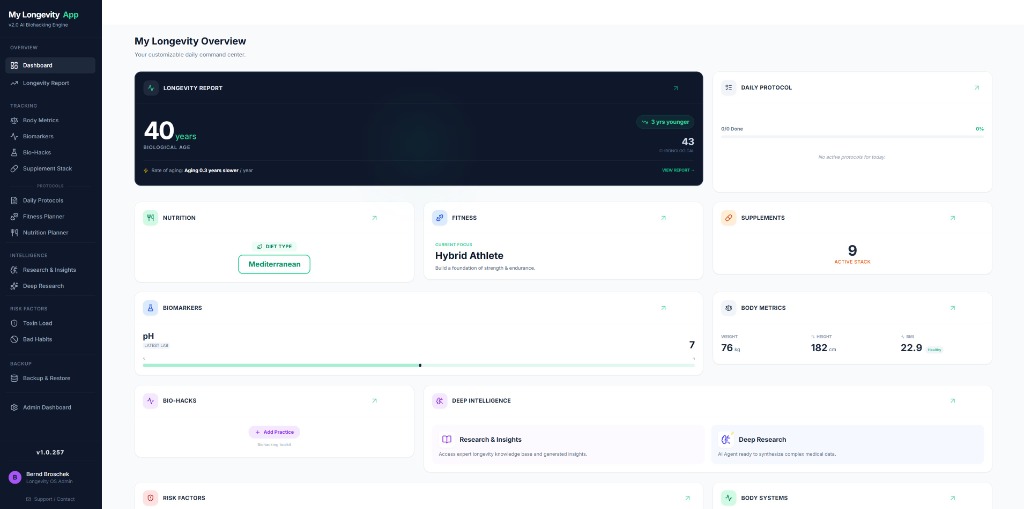
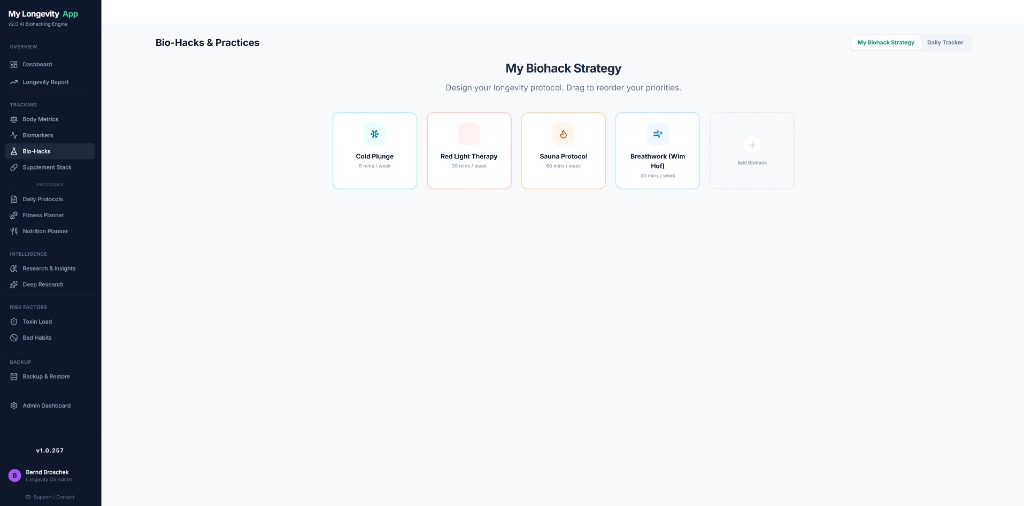
Advanced biohacking tools at your fingertips.
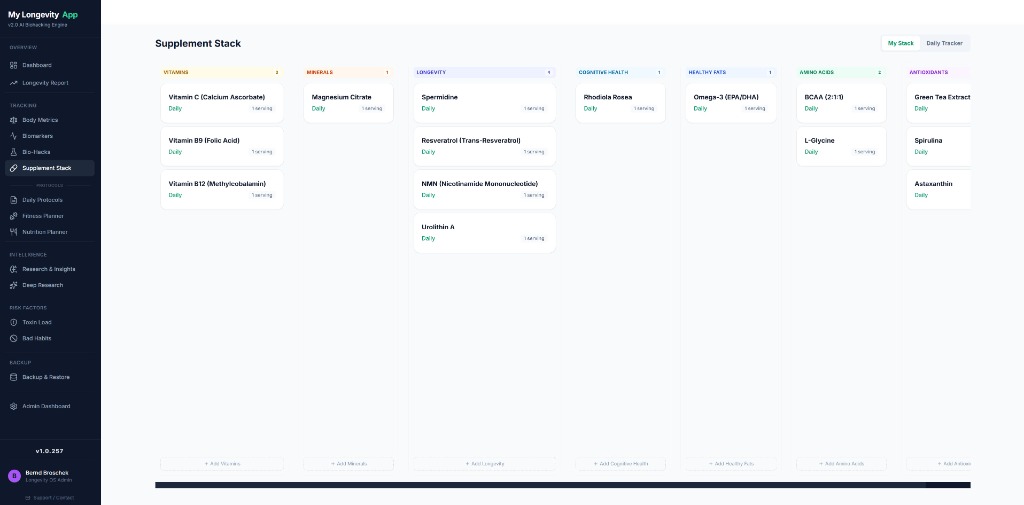
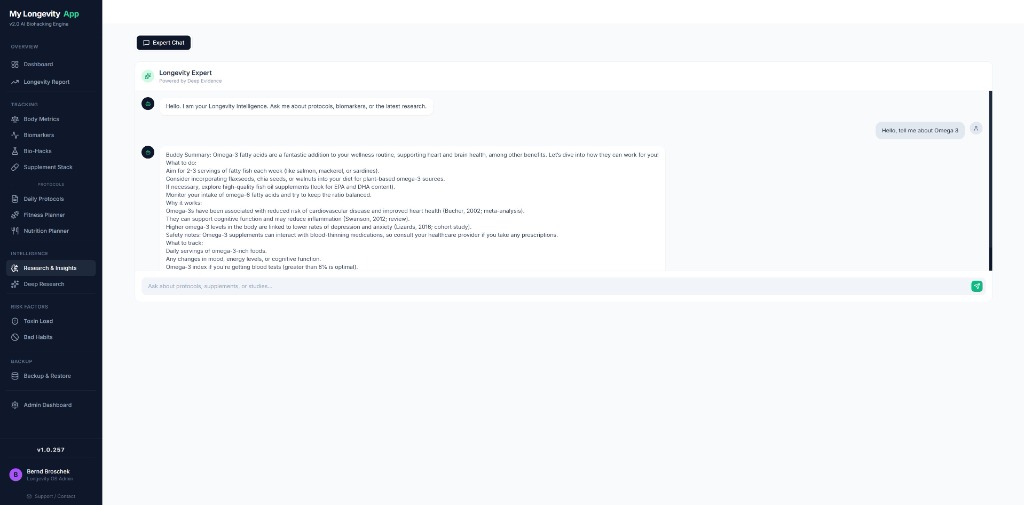
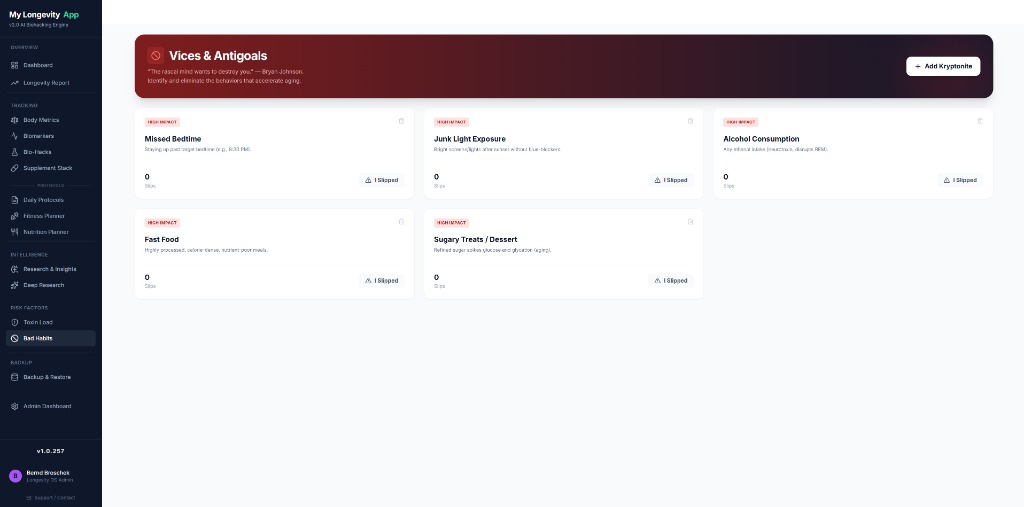
10 integrated modules working together.
Create your account in 30 seconds. No credit card required.
Upload blood work, track body metrics, or start with our AI questionnaire.
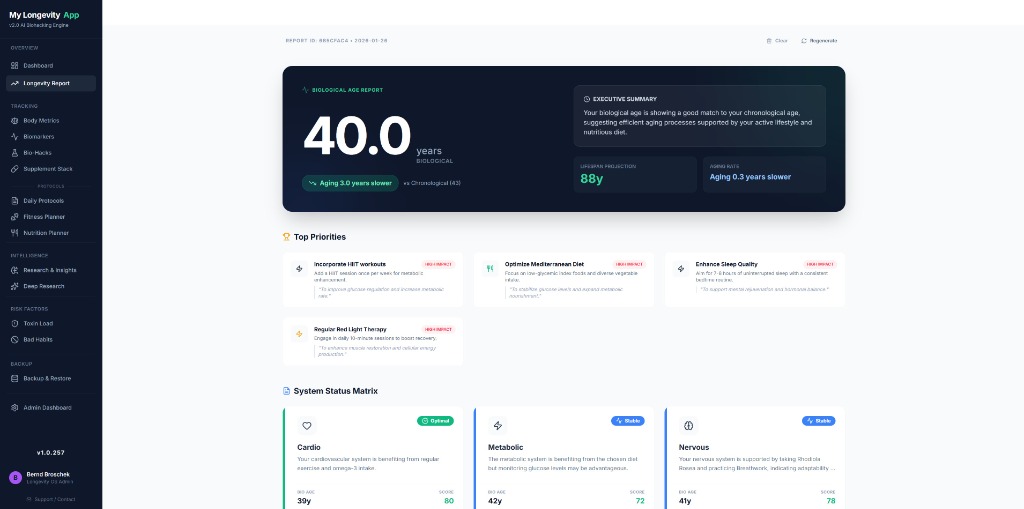
Receive your biological age score, personalized reports, and action plan.
Choose the plan that fits your biohacking journey.
Analyze your blood work to pinpoint critical biomarkers that indicate your health status and longevity potential.
Utilize insights from blood work for personalized protocol creation based on blood work biomarker analysis results, aligning with your specific health goals.
Regularly monitor changes in your biomarkers to adjust your longevity protocols and ensure optimal health outcomes.
Join thousands of biohackers optimizing their health.
"MyLongevityApp helped me lower my biological age by 5 years. The biomarker tracking is a game-changer."
"Finally one app that combines supplements, blood work, and daily protocols. I love the weekly planner."
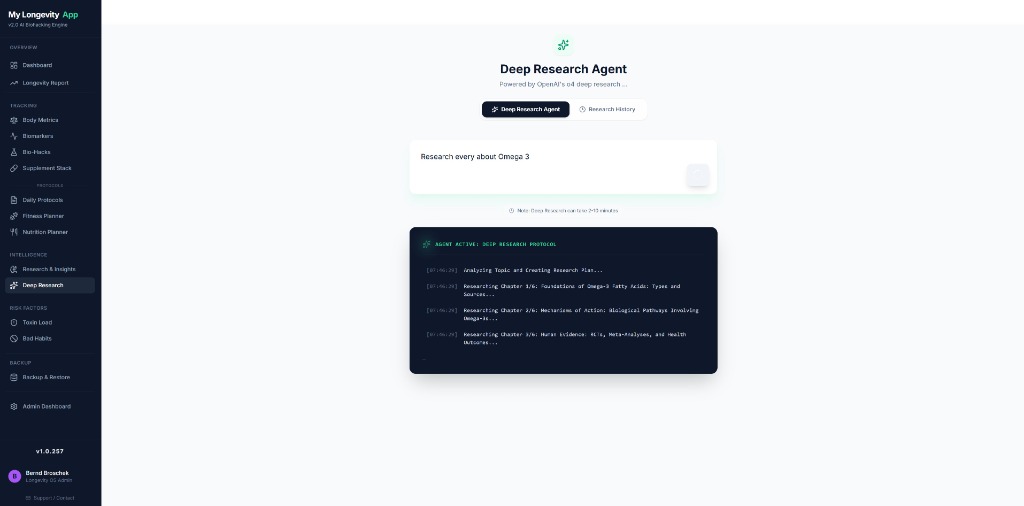
"The AI research agent alone is worth the subscription. It saves me hours of reading every week."
When developing a personalized longevity protocol, prioritizing specific blood work biomarkers is essential for understanding individual health profiles and tailoring interventions. Key biomarkers include inflammatory markers like C-reactive protein (CRP) and cytokines, which provide insight into chronic inflammation levels—an underlying factor in many age-related diseases. Additionally, lipid profiles, including LDL and HDL cholesterol levels, inform cardiovascular health, while glycemic markers such as fasting glucose and hemoglobin A1c are critical for assessing metabolic health.
Hormonal assessments, including testosterone, estrogen, and thyroid hormones, also play a significant role in longevity. Imbalances in these hormones can influence energy levels, mood, and overall vitality. Furthermore, vitamin D levels are crucial for immune function and bone health, often linked to longevity.
The process of protocol creation based on blood work biomarker analysis results empowers individuals to make informed decisions regarding lifestyle changes, dietary adjustments, and supplementation. For example, if high CRP levels are detected, an individual may prioritize anti-inflammatory foods or supplements in their protocol. Conversely, if hormonal imbalances are identified, targeted therapies can be implemented to restore balance.
An actionable takeaway is to get a comprehensive panel of blood work done regularly and consult with a healthcare provider or a wellness coach experienced in longevity. This proactive approach enables the creation of a tailored longevity protocol that addresses individual needs, ultimately leading to improved health outcomes and enhanced quality of life.
The analysis of blood work biomarker results serves as a foundational tool in the realm of biohacking, enabling individuals to personalize their health strategies effectively. By measuring various biomarkers—such as cholesterol levels, glucose, hormones, and inflammation markers—biohackers can gain insights into their unique physiological state. This data allows for precise adjustments in lifestyle, diet, and supplementation, leading to improved health outcomes.
Protocol creation based on blood work biomarker analysis results involves interpreting these metrics to identify specific areas for intervention. For instance, if blood tests reveal elevated inflammatory markers, an individual might focus on adopting an anti-inflammatory diet, integrating omega-3 fatty acids, or utilizing specific supplements that target inflammation. Conversely, low testosterone levels could prompt the incorporation of strength training or dietary changes aimed at boosting hormonal balance.
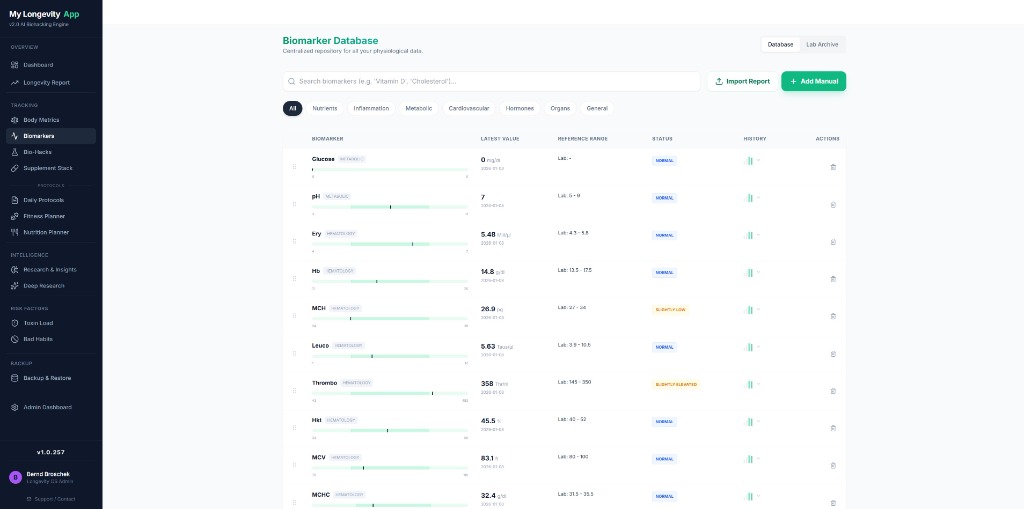
Utilizing platforms like MyLongevityApp can streamline this process by visualizing and tracking biomarker trends over time. This allows for ongoing adjustments to the biohacking protocol, ensuring that interventions remain aligned with the individual’s evolving health needs.
An actionable takeaway for those looking to optimize their biohacking efforts is to prioritize regular blood work and utilize the data to inform lifestyle changes. By actively engaging with the results and continuously refining their protocols, individuals can achieve a more targeted and effective approach to longevity and overall well-being.
When designing a comprehensive longevity protocol, it is crucial to integrate individual health history with blood work biomarker analysis results. While blood tests provide valuable insights into current health status by measuring various biomarkers such as cholesterol levels, glucose, and inflammatory markers, they represent just one piece of the puzzle. Individual health history encompasses genetic predispositions, lifestyle choices, existing medical conditions, and even previous responses to interventions.
Understanding a person’s health history allows for a more nuanced interpretation of blood test results. For instance, a high cholesterol level may be a normal finding for someone with a familial history of hyperlipidemia but could indicate a significant risk for another individual without such a background. This contextualization is essential for tailoring interventions that are not only effective but safe.
Moreover, lifestyle factors such as diet, exercise, stress levels, and sleep patterns can significantly influence biomarker readings. Protocol creation based on blood work biomarker analysis results must, therefore, consider these elements to ensure that the recommendations align with an individual’s unique circumstances. Platforms like MyLongevityApp can facilitate this integration by allowing users to input their health history alongside their lab results, providing a comprehensive view that supports more personalized recommendations.
For those embarking on a longevity journey, the key takeaway is to actively compile and reflect on your health history before initiating any protocol. This thorough approach will enable you to make informed decisions and optimize your longevity strategy effectively.
Advancements in technology and methodology have significantly enhanced the accuracy of interpreting blood work biomarker results, which is crucial for personalized protocol creation based on blood work biomarker analysis results. One of the most effective approaches is the integration of artificial intelligence (AI) and machine learning algorithms. These technologies can analyze vast datasets, identifying patterns and correlations that may not be evident through traditional analysis. By utilizing AI, clinicians can gain insights into how specific biomarkers interact and influence overall health, enabling them to tailor protocols that address individual needs more precisely.
Another effective methodology is the incorporation of comprehensive biomarker panels. Instead of relying on a limited number of standard markers, advanced testing now includes a wider array of indicators that can provide a more holistic view of an individual's health. This comprehensive approach allows for a deeper understanding of metabolic health, inflammation, nutrient status, and hormonal balance, which are critical in designing effective personalized protocols.
Moreover, platforms like MyLongevityApp leverage these technologies to streamline the process of data interpretation. By offering users access to their blood work in conjunction with personalized recommendations based on cutting-edge research, they facilitate a seamless transition from analysis to actionable steps.
As a practical takeaway, individuals seeking to optimize their health should consider requesting a comprehensive blood panel and utilizing AI-driven tools for interpretation. Engaging with healthcare professionals who are versed in these advanced methodologies will further enhance the effectiveness of personalized protocol creation, ultimately supporting long-term wellness and longevity.
When implementing a new longevity protocol based on initial biomarker analysis, follow-up blood tests should typically be scheduled three to six months after the introduction of the protocol. This timeframe allows for enough time for any lifestyle changes, supplements, or dietary adjustments to manifest measurable effects on your biomarkers. It is crucial to allow this period because many physiological changes, particularly those related to metabolism, hormone levels, and inflammation markers, may take time to stabilize or shift in response to your new regimen.
During follow-up testing, specific changes should be monitored closely. These include markers related to inflammation, such as C-reactive protein (CRP), lipid profiles, including cholesterol and triglycerides, and metabolic markers like glucose and insulin sensitivity. Additionally, monitoring hormone levels—such as testosterone, estrogen, and thyroid hormones—can provide insights into how well your body is adapting to the longevity protocol. It’s essential to track these indicators to assess not only the effectiveness of the protocol but also any potential adverse effects.
Utilizing platforms like MyLongevityApp can streamline this process by helping you manage your biomarker data and schedule follow-up tests. Such tools can also assist in visualizing trends over time, allowing for more informed adjustments to your longevity protocol based on blood work biomarker analysis results.
As you prepare for your follow-up tests, ensure you maintain consistent lifestyle practices similar to those you established during the initial phase. This consistency will provide a clearer picture of the protocol's effectiveness and guide future adjustments.
Join 10,000+ biohackers optimizing their health with AI.
Start Your 7-Day Free TrialNo credit card required. Cancel anytime.