Discover the ideal omega-3 EPA and DHA ratio for enhanced heart and brain health.
Navigating the world of omega-3 supplements can feel overwhelming, especially when trying to find the right balance between EPA and DHA for your health needs. Many people are left frustrated, sifting through conflicting information and unsure of how to achieve the optimal dosage that could enhance their vitality and overall well-being. The search for precise omega 3 epa dha ratio optimal dosage recommendations often stems from a deep desire to improve health, but the uncertainty can leave one feeling anxious and lost in a sea of choices.
Advanced biohacking tools at your fingertips.
10 integrated modules working together.
Create your account in 30 seconds. No credit card required.
Upload blood work, track body metrics, or start with our AI questionnaire.
Receive your biological age score, personalized reports, and action plan.
Choose the plan that fits your biohacking journey.
Aim for a balanced omega 3 EPA DHA ratio of 1:1 to 2:1 for optimal health benefits.
Consume 250-500 mg of combined EPA and DHA daily, following omega 3 epa dha ratio optimal dosage recommendations.
Choose high-quality, sustainably sourced fish oil or algae supplements to ensure effective omega 3 intake.
Join thousands of biohackers optimizing their health.
"MyLongevityApp helped me lower my biological age by 5 years. The biomarker tracking is a game-changer."
"Finally one app that combines supplements, blood work, and daily protocols. I love the weekly planner."
"The AI research agent alone is worth the subscription. It saves me hours of reading every week."
The optimal ratio of omega-3 EPA (eicosapentaenoic acid) to DHA (docosahexaenoic acid) for supporting cardiovascular health and cognitive function in adults has been the subject of extensive research. While both EPA and DHA are crucial for health, their specific benefits can vary based on their ratios.
Current studies suggest that an omega 3 EPA DHA ratio optimal dosage recommendation often falls between 2:1 and 1:1. This means that for every two parts of EPA, there should be one part of DHA, or vice versa. This balance appears to provide a synergistic effect that maximizes the anti-inflammatory properties of EPA, while supporting the structural and functional aspects of DHA in the brain and heart. For individuals focusing on cardiovascular health, a higher ratio of EPA may be beneficial, as it is associated with reducing triglycerides and improving overall heart health. Conversely, for cognitive function, a more balanced ratio that includes adequate DHA is essential, given its role in brain membrane integrity and neuroprotection.
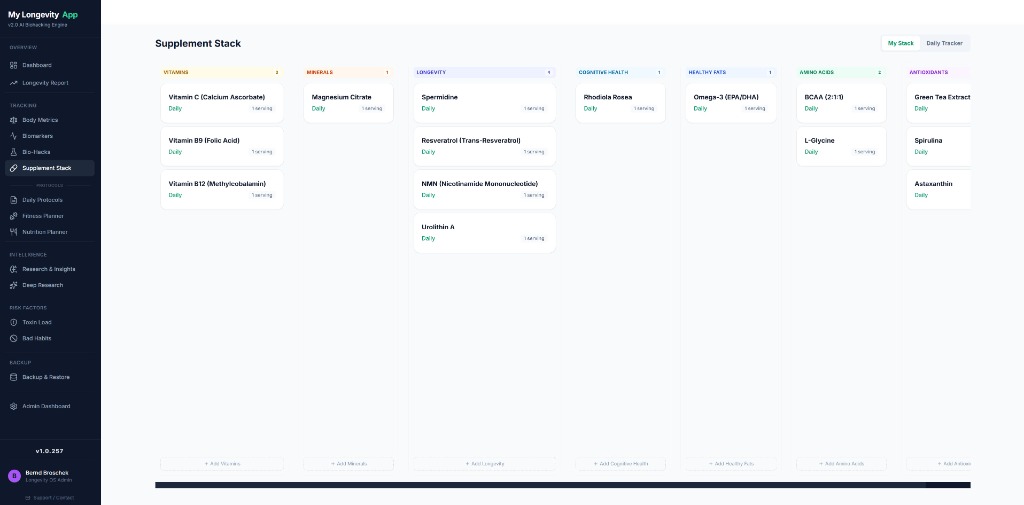
When considering supplementation, it’s important to account for dietary sources and individual health needs. Fatty fish, such as salmon and mackerel, are excellent sources of both EPA and DHA. However, if you are looking for a targeted approach, using a supplement can help you achieve the desired omega 3 EPA DHA ratio optimal dosage recommendations. MyLongevityApp can assist in tracking your intake and ensuring you meet your personalized health goals.
For actionable steps, evaluate your current omega-3 sources and consider incorporating a high-quality supplement that aligns with the beneficial EPA to DHA ratio. Regularly consult with a healthcare provider to tailor your intake to your specific health objectives.
The influence of dietary sources of omega-3 fatty acids on the recommended dosage of EPA (eicosapentaenoic acid) and DHA (docosahexaenoic acid) is significant, particularly when considering longevity. Omega-3 fatty acids are primarily sourced from marine and plant-based foods. Fish and seafood are rich in EPA and DHA, while flaxseeds, chia seeds, and walnuts provide alpha-linolenic acid (ALA), which the body partially converts to EPA and DHA. This conversion process is inefficient, making direct sources of EPA and DHA more beneficial for achieving optimal health outcomes.
The omega 3 EPA DHA ratio optimal dosage recommendations often suggest that adults should aim for at least 500 mg of EPA and DHA combined per day for general health. However, this recommendation can vary based on individual dietary habits. Those who consume fatty fish regularly may need lower supplementation, while individuals relying on plant sources may require higher doses to achieve similar benefits due to the lower bioavailability of ALA.
Factors such as age, health status, and specific health goals also play a crucial role in determining the appropriate dosages. For instance, individuals with cardiovascular concerns might benefit from higher EPA and DHA intake. Utilizing tools like MyLongevityApp can help personalize these recommendations based on lifestyle and dietary patterns.
For those looking to optimize their omega-3 intake, focusing on incorporating a variety of dietary sources—particularly oily fish—can be an effective strategy. Regular monitoring of your dietary intake and adjusting based on health feedback can further enhance longevity outcomes.
The balance between eicosapentaenoic acid (EPA) and docosahexaenoic acid (DHA), two crucial omega-3 fatty acids, plays a significant role in managing inflammation and promoting overall wellness. While both EPA and DHA are essential for health, they serve different functions in the body. EPA is primarily known for its anti-inflammatory properties, helping to reduce markers of inflammation and potentially lowering the risk of chronic diseases. In contrast, DHA is vital for brain health, supporting cognitive function and neuroprotection.
The omega 3 EPA DHA ratio can significantly influence health outcomes. Research suggests that an optimal balance, typically favoring higher EPA relative to DHA, can enhance anti-inflammatory effects and support cardiovascular health. An imbalanced ratio may lead to suboptimal health, increasing susceptibility to inflammatory diseases like arthritis and even affecting mental health. Individuals with higher EPA relative to DHA have reported improvements in mood and cognitive function, highlighting the importance of this ratio in both physical and mental wellness.
When considering omega 3 EPA DHA ratio optimal dosage recommendations, it's essential to consult with healthcare professionals, as individual needs may vary based on age, health status, and lifestyle. Generally, a daily intake of 250-500 mg of combined EPA and DHA is recommended for healthy adults, but those with specific health concerns may require adjusted dosages.
For those looking to track their omega-3 intake and optimize their dietary balance, tools like MyLongevityApp can provide personalized insights. Prioritize incorporating sources of both EPA and DHA into your diet, such as fatty fish, algae supplements, or fortified foods, to support a balanced omega-3 intake. This adjustment can significantly enhance your inflammatory response and overall wellness.
When determining the ideal omega-3 EPA DHA dosage for individuals with specific health conditions, several critical factors must be taken into account. First, the individual's age, body weight, and overall health status play a significant role. Younger, healthier individuals may require lower dosages compared to older adults or those managing chronic conditions like heart disease, arthritis, or cognitive decline.
Next, the specific health condition in question is paramount. For instance, individuals with cardiovascular issues might benefit from higher doses, often around 1,000 to 4,000 mg of combined EPA and DHA daily, as supported by numerous studies. Conversely, those looking to enhance cognitive function or reduce inflammation might find lower doses effective, typically ranging from 500 to 1,000 mg daily. This highlights the importance of tailoring the omega 3 EPA DHA ratio optimal dosage recommendations to individual health needs.
Another essential factor is dietary intake. Individuals who consume a diet rich in fatty fish may not need as much supplementation as those with a lower intake. It’s also crucial to consider potential interactions with medications or other supplements, which can influence omega-3 metabolism.
Lastly, the bioavailability of the omega-3 source should not be overlooked. Fish oil, krill oil, or algae-based supplements may have different absorption rates, affecting the effective dosage. Tools like MyLongevityApp can assist individuals in tracking their health metrics and tailoring dosage based on personal health goals.
For those seeking optimal health, it's advisable to consult with a healthcare professional to determine the appropriate omega-3 dosage based on these factors, ensuring a personalized approach to supplementation.
Determining the best time to take omega-3 supplements can significantly enhance their benefits, especially regarding longevity and biohacking. Omega-3 fatty acids, particularly EPA and DHA, play vital roles in reducing inflammation, supporting brain health, and promoting cardiovascular wellness. To maximize these benefits, timing can be as crucial as dosage.
Research suggests that taking omega-3 supplements with meals, particularly those that contain fat, can improve absorption. The presence of dietary fats encourages the body to utilize the omega-3s more effectively. Therefore, incorporating omega-3 supplements into a meal, preferably lunch or dinner, aligns well with optimal absorption rates. This approach ensures that your body can leverage the full potential of the supplements for longevity-related benefits.
When considering the omega 3 EPA DHA ratio optimal dosage recommendations, it's essential to tailor your intake to your individual health goals and dietary habits. Most health authorities suggest a combined daily intake of 250-500 mg of EPA and DHA for general health. However, those targeting specific health outcomes, such as improved cognitive function or reduced inflammation, may require higher doses, often up to 2,000 mg daily. MyLongevityApp can assist you in tracking your intake and adjusting your diet to meet these recommendations effectively.
For a practical takeaway, aim to incorporate omega-3 supplements into your evening meal to enhance absorption and support your longevity goals. By aligning your supplement routine with your dietary habits, you can optimize the benefits of omega-3 fatty acids for a healthier, longer life.
Join 10,000+ biohackers optimizing their health with AI.
Start Your 7-Day Free TrialNo credit card required. Cancel anytime.