Discover the most accurate magnesium blood level test to optimize your health and wellness.
For those concerned about their health, the quest for clarity can often feel overwhelming, especially when seeking answers about magnesium levels. With so much conflicting information available, it’s frustrating to wonder, "magnesium blood level testing which test is most accurate?" This uncertainty can leave individuals feeling anxious and powerless about their well-being, as they strive to make informed choices that support their longevity and vitality. Understanding the nuances of testing can be the key to regaining control over one’s health journey.
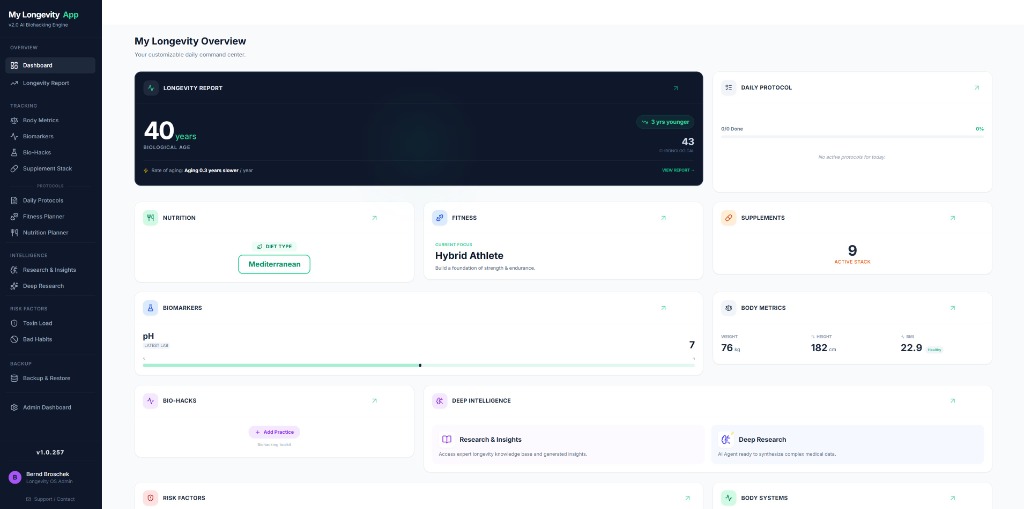
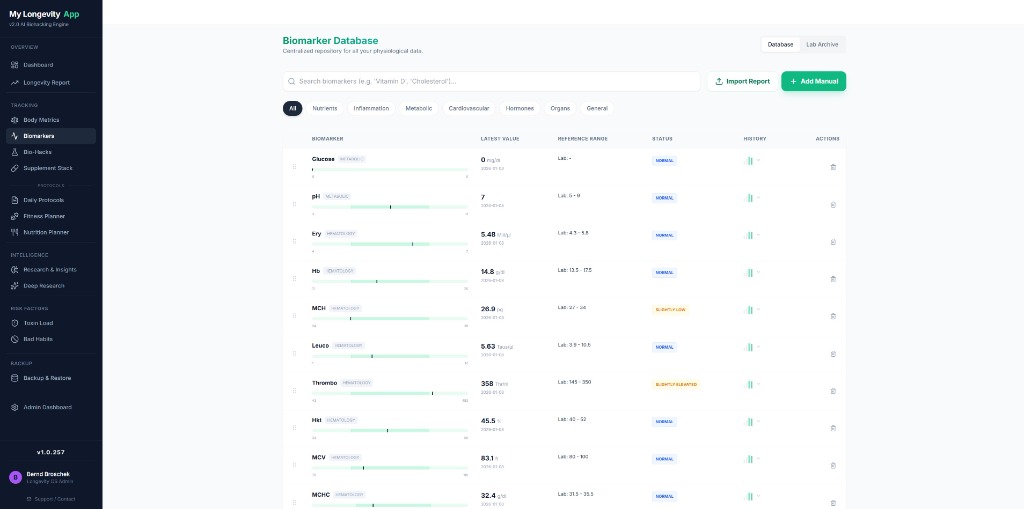
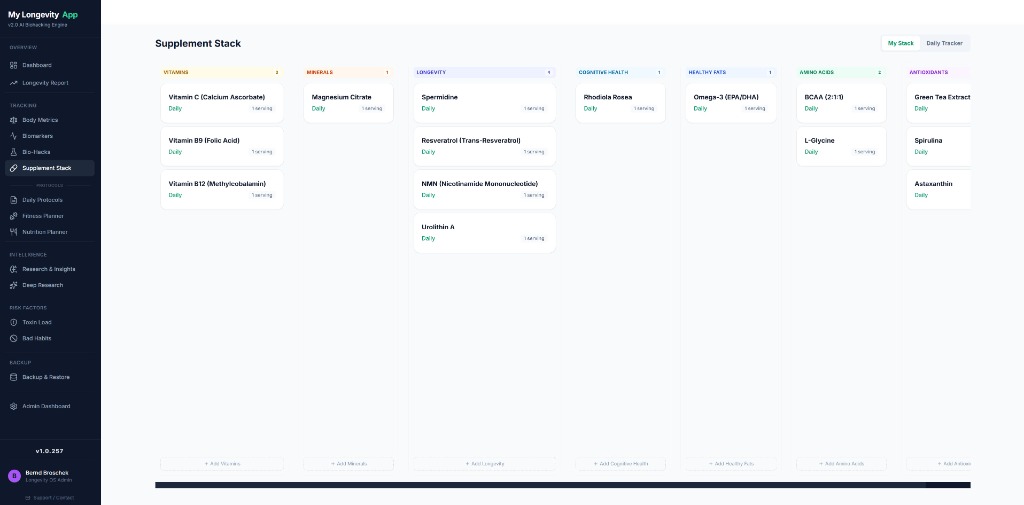
Advanced biohacking tools at your fingertips.
10 integrated modules working together.
Create your account in 30 seconds. No credit card required.
Upload blood work, track body metrics, or start with our AI questionnaire.
Receive your biological age score, personalized reports, and action plan.
Choose the plan that fits your biohacking journey.
This common test measures magnesium levels in the blood but may not reflect total body magnesium accurately.
The RBC magnesium test provides a better estimate of magnesium status as it reflects intracellular levels.
For magnesium blood level testing which test is most accurate, consider a 24-hour urine test to assess magnesium excretion and absorption.
Join thousands of biohackers optimizing their health.
"MyLongevityApp helped me lower my biological age by 5 years. The biomarker tracking is a game-changer."
"Finally one app that combines supplements, blood work, and daily protocols. I love the weekly planner."
"The AI research agent alone is worth the subscription. It saves me hours of reading every week."
Magnesium blood level testing is essential for assessing magnesium status, which plays a crucial role in numerous bodily functions including muscle and nerve function, blood sugar control, and bone health. There are primarily three types of tests used to evaluate magnesium levels: serum magnesium tests, ionized magnesium tests, and red blood cell (RBC) magnesium tests.
The serum magnesium test is the most commonly performed. It measures the concentration of magnesium in the blood serum, but it has limitations. Approximately 60% of the body's magnesium is stored in bones and tissues, meaning that serum levels can sometimes appear normal even when total body magnesium is low. This test is useful for detecting acute changes in magnesium levels but may not accurately reflect long-term magnesium status.
The ionized magnesium test measures the free, biologically active form of magnesium in the bloodstream. This test can provide a more accurate representation of magnesium levels in the body, especially in patients with conditions that affect protein binding, such as kidney disease. However, it is less commonly available and may not be performed by all laboratories.
The red blood cell magnesium test assesses magnesium levels within the cells, offering insights into long-term magnesium status. This test is considered more reliable for chronic deficiency but is less frequently used, potentially due to higher costs and variability in lab methods.
For those interested in optimizing their magnesium health, understanding which test is most accurate can guide better health decisions. Using tools like MyLongevityApp can help track magnesium levels over time and provide personalized recommendations based on test results. Engaging with healthcare professionals who can interpret these tests effectively is crucial for establishing a comprehensive approach to magnesium management.
Magnesium blood level testing is crucial for assessing magnesium status, yet several factors can influence the accuracy of these results. One significant factor is the timing of the test. Magnesium levels can fluctuate throughout the day due to dietary intake and physical activity. Testing should ideally be conducted in a fasting state to minimize these variations.
The type of test used also matters. Serum magnesium tests are the most common, but they only measure about 1% of the body's total magnesium, which can lead to misleading results. For a more comprehensive assessment, healthcare providers may consider using a combination of serum tests and red blood cell (RBC) magnesium tests, as the latter can provide a more accurate picture of magnesium levels over time.
Sample handling and processing are critical as well. Delays in processing blood samples can result in changes in magnesium levels, especially if the sample is not stored properly. Ensuring that samples are processed quickly and under controlled conditions can help mitigate this issue.
Patient factors, such as hydration status, medications, and underlying health conditions, can also skew results. For instance, diuretics can lead to increased magnesium loss, while certain medications can artificially elevate magnesium levels. It's essential for healthcare providers to consider these factors when interpreting test results.
For individuals keen on tracking their magnesium levels accurately, utilizing the MyLongevityApp can help monitor dietary intake and potential symptoms of deficiency. Maintaining a balanced diet rich in magnesium and discussing any medications with a healthcare provider can further enhance the accuracy of magnesium blood level testing.
The methodologies used in magnesium blood level testing significantly influence the interpretation of results, particularly for those engaged in biohacking. Magnesium is vital for numerous biological processes, including energy production and muscle function. However, its levels in the blood do not always reflect total body magnesium status. This discrepancy can lead to misinterpretations that affect biohacking strategies aimed at optimizing health and longevity.
There are several testing methods for assessing magnesium levels, including serum magnesium tests, ionized magnesium tests, and red blood cell (RBC) magnesium tests. Serum magnesium tests measure the amount of magnesium in the blood serum, but they can be misleading, as only about 1% of magnesium is found in the bloodstream. On the other hand, ionized magnesium tests assess the free form of magnesium in the blood, which may provide a more accurate representation of biologically active magnesium. The RBC magnesium test evaluates the magnesium content within red blood cells, offering a more comprehensive view of magnesium status over time.
For biohackers seeking to fine-tune their supplementation and dietary strategies, understanding which test is most accurate—such as the RBC magnesium test—can lead to more effective interventions. Utilizing platforms like MyLongevityApp can facilitate better monitoring of magnesium levels, enabling users to correlate their results with lifestyle changes and assess the effectiveness of their biohacking endeavors.
In determining the best approach for magnesium blood level testing, individuals should consider the specific methodology and its implications on overall health strategies. Regular monitoring through the appropriate testing can lead to more informed decisions about supplementation and dietary adjustments, ultimately enhancing longevity and well-being.
When assessing overall magnesium status in the body, it is crucial to consider both serum and intracellular magnesium levels. Serum magnesium levels, while commonly measured, only reflect a small fraction of the total magnesium in the body—about 1% is found in the blood. This means that relying solely on serum magnesium can give an incomplete picture of an individual's magnesium status. Many bodily functions depend on magnesium's intracellular availability, where approximately 60% of total magnesium resides, primarily within cells.
Intracellular magnesium is important because it plays a vital role in numerous biochemical processes, including energy production, protein synthesis, and cellular signaling. Deficiencies at the cellular level can lead to various health issues, despite what serum tests may indicate. For example, a person might show normal serum magnesium levels while experiencing symptoms of deficiency due to inadequate cellular magnesium. Thus, understanding both serum and intracellular levels is essential for a comprehensive assessment.
When considering magnesium blood level testing, it’s valuable to ask which test is most accurate. Standard serum tests may not always provide the necessary information, so specialized testing that evaluates both serum and intracellular magnesium can offer a clearer understanding of magnesium status. Tools like MyLongevityApp can assist in tracking these metrics and provide insights into your magnesium levels, helping you make more informed health decisions.
For individuals looking to optimize their health, it is beneficial to request tests that evaluate both serum and intracellular magnesium. This approach ensures a more accurate assessment and the ability to address potential deficiencies effectively.
Individuals should consider getting their magnesium blood levels tested under several circumstances, particularly if they exhibit symptoms or have conditions that may indicate a deficiency or excess. Magnesium plays a crucial role in numerous bodily functions, including nerve function, muscle contraction, and bone health. Symptoms such as muscle cramps, fatigue, irritability, and irregular heartbeats can signal low magnesium levels. Conversely, symptoms like nausea, vomiting, and respiratory distress may suggest elevated magnesium levels.
Certain health conditions also warrant magnesium blood level testing. Individuals with gastrointestinal diseases, such as Crohn’s disease or celiac disease, may be at higher risk for magnesium deficiency due to impaired absorption. Similarly, those with diabetes or chronic kidney disease should monitor their magnesium levels as they may experience fluctuations. Additionally, people taking specific medications, such as diuretics or proton pump inhibitors, may need testing due to the potential for these drugs to affect magnesium levels.
When considering magnesium blood level testing, it is essential to understand which test is most accurate. The serum magnesium test is the most commonly used; however, it may not always reflect total body magnesium status. For a more comprehensive assessment, a healthcare provider might recommend a red blood cell magnesium test.
If you suspect a magnesium imbalance due to symptoms or existing health conditions, it is essential to consult with a healthcare professional. They can guide you on whether magnesium blood level testing is appropriate for your situation and help interpret the results, leading to personalized strategies for optimizing your health.
Join 10,000+ biohackers optimizing their health with AI.
Start Your 7-Day Free TrialNo credit card required. Cancel anytime.