Understand elevated liver values to enhance your health and prevent potential complications.
When someone discovers their liver values elevated, it can evoke a wave of anxiety and uncertainty. They may grapple with fear about their health, wondering what this means for their longevity and overall well-being. The confusion surrounding medical jargon can leave them feeling isolated, as they seek clarity on the implications of their elevated liver values and how to navigate this challenging moment in their health journey.
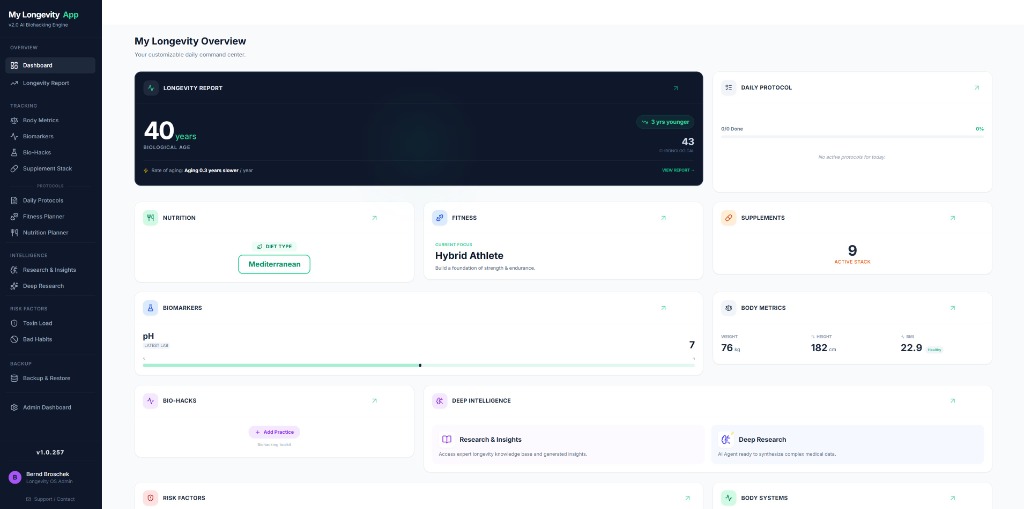
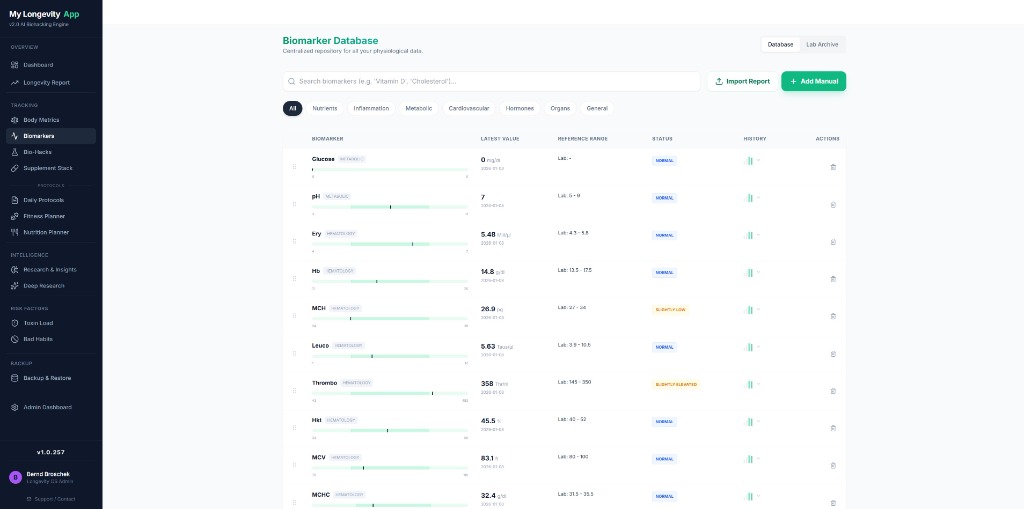
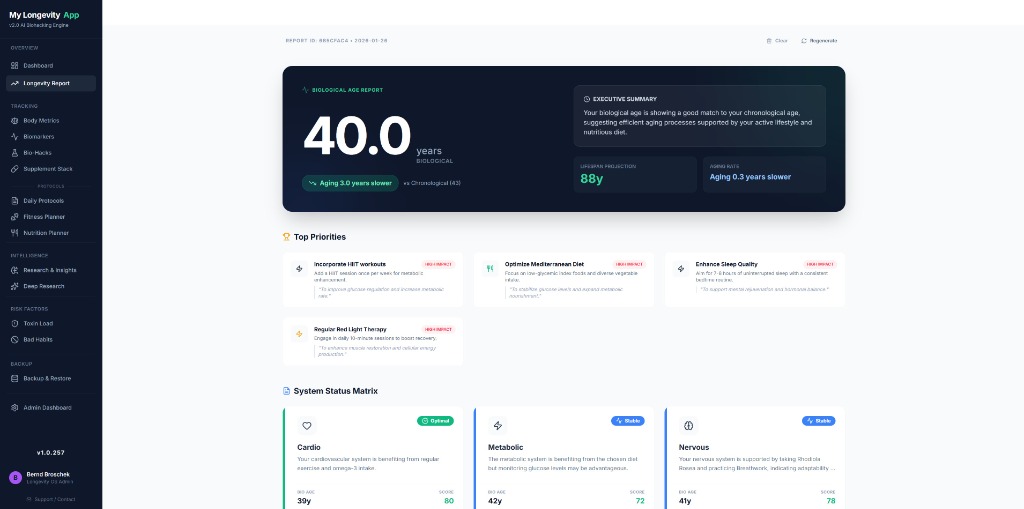
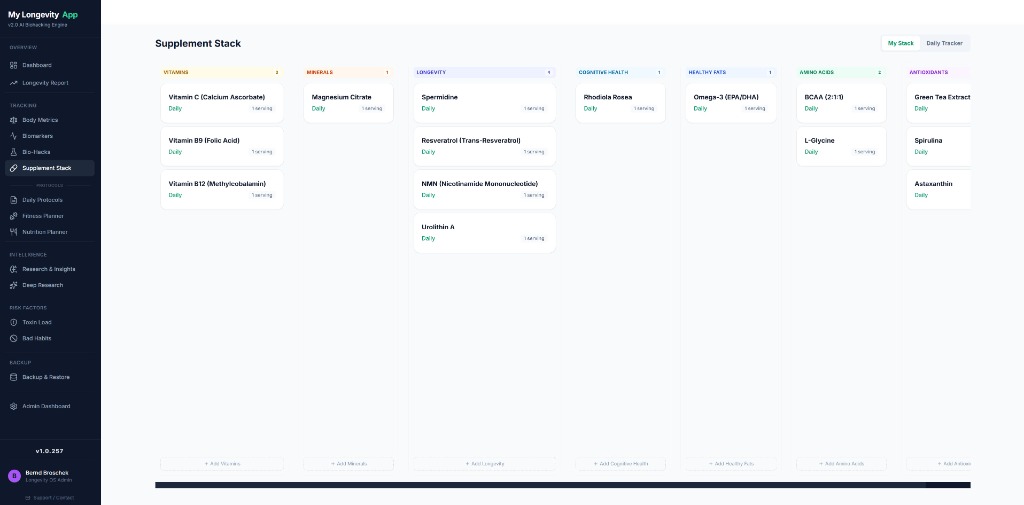
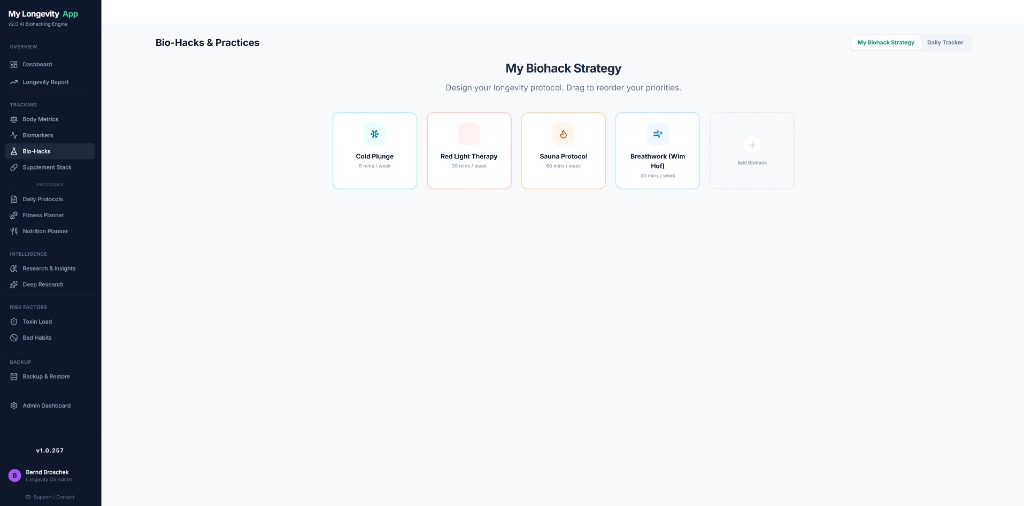
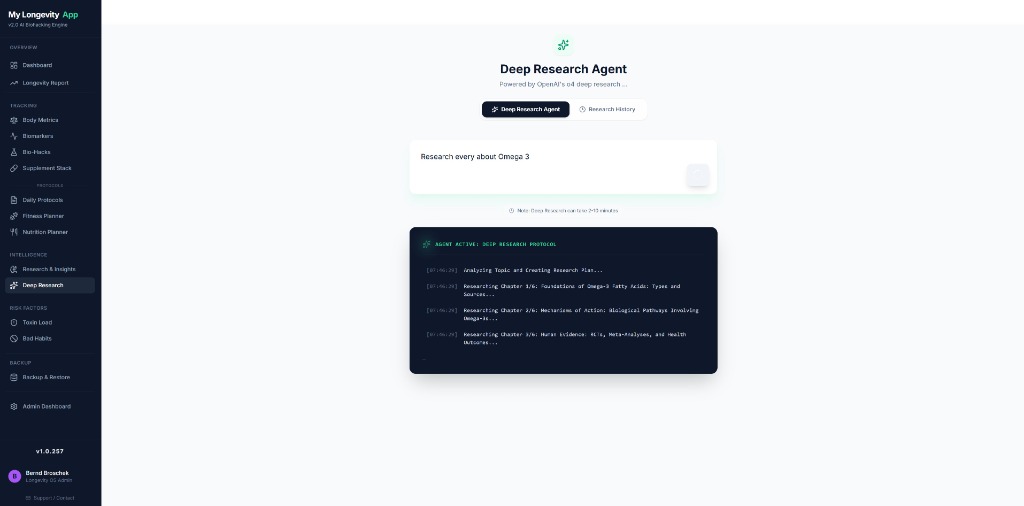
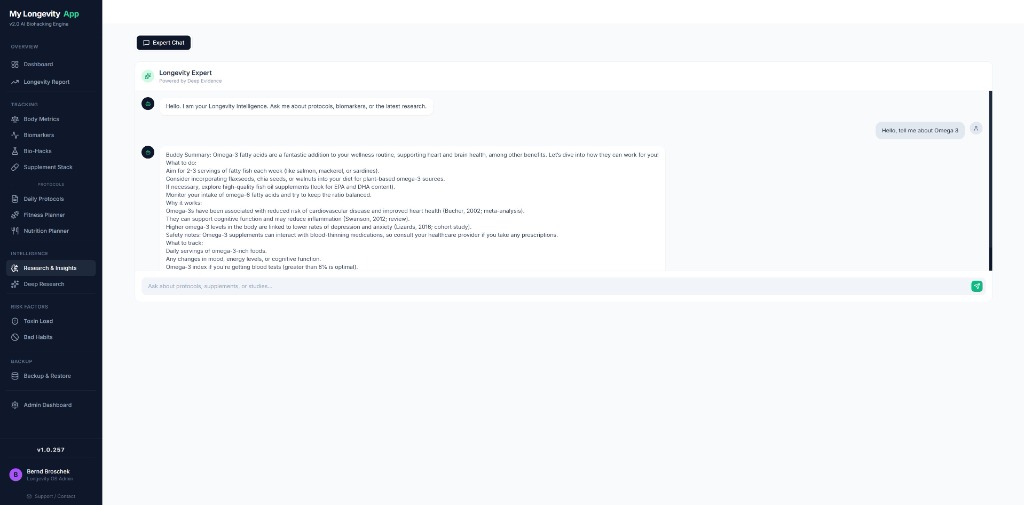
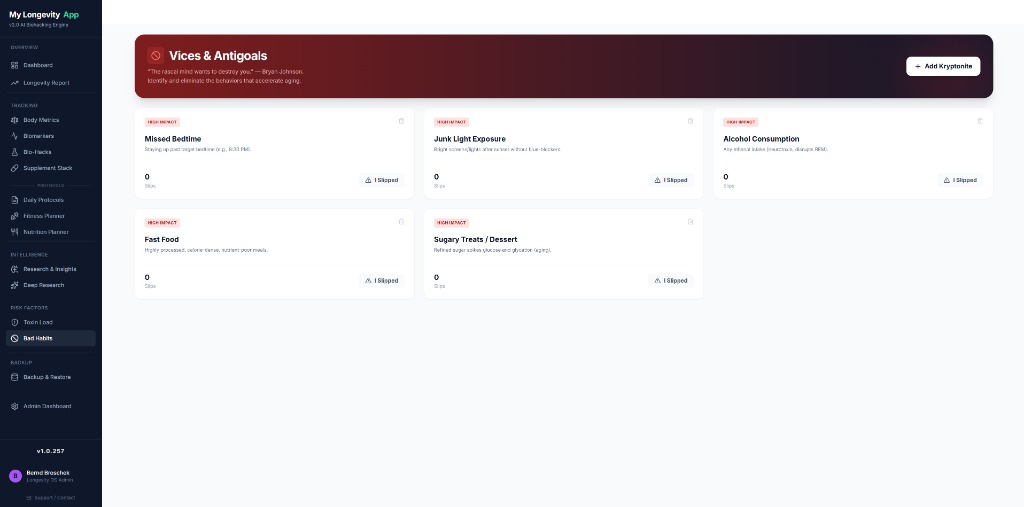
Advanced biohacking tools at your fingertips.
10 integrated modules working together.
Create your account in 30 seconds. No credit card required.
Upload blood work, track body metrics, or start with our AI questionnaire.
Receive your biological age score, personalized reports, and action plan.
Choose the plan that fits your biohacking journey.
Recognize what liver values elevated what it means for your health, including potential liver damage or disease.
Seek advice from a healthcare provider to interpret elevated liver values and recommend necessary tests or treatments.
Adopt a balanced diet and regular exercise to support liver health and potentially lower elevated liver values.
Join thousands of biohackers optimizing their health.
"MyLongevityApp helped me lower my biological age by 5 years. The biomarker tracking is a game-changer."
"Finally one app that combines supplements, blood work, and daily protocols. I love the weekly planner."
"The AI research agent alone is worth the subscription. It saves me hours of reading every week."
Elevated liver values, often indicated by increased levels of enzymes such as alanine aminotransferase (ALT) and aspartate aminotransferase (AST), can signal underlying health issues that may impact overall well-being and longevity. Common causes of these elevated liver values include fatty liver disease, excessive alcohol consumption, viral hepatitis, certain medications, and metabolic conditions such as diabetes. Each of these factors not only directly affects liver function but also can lead to systemic inflammation and metabolic dysfunction, which are critical considerations for longevity.
Fatty liver disease, for example, is increasingly prevalent in today's society, often linked to poor dietary habits and sedentary lifestyles. This condition can progress to more severe liver damage, affecting not just liver health but also cardiovascular and metabolic systems. Alcohol consumption can similarly lead to liver inflammation, impairing detoxification and nutrient metabolism. Viral infections such as hepatitis can cause chronic liver disease, which has long-term implications for overall health.
Understanding elevated liver values and their implications—elevated liver values elevated what it means for your health—is crucial for proactive health management. Tracking these metrics can provide insight into your body’s functioning and highlight areas for improvement. Utilizing tools like MyLongevityApp can help individuals monitor their liver health and make informed lifestyle changes.
To mitigate risks associated with elevated liver values, focus on a balanced diet rich in whole foods, maintain regular physical activity, and limit alcohol intake. Regular check-ups with a healthcare provider can also ensure that any liver-related issues are addressed promptly, promoting better health outcomes and longevity.
Elevated liver values can signal underlying health issues, often reflecting liver inflammation or damage. Understanding liver values elevated what it means is crucial for anyone looking to improve their overall health. Lifestyle changes play a pivotal role in managing and potentially reversing these abnormalities.
Diet is one of the most impactful areas to address. Reducing the intake of processed foods, sugars, and unhealthy fats can significantly lower liver stress. Instead, incorporating whole foods rich in antioxidants, such as fruits, vegetables, and healthy fats, supports liver function. Specific biohacking strategies include intermittent fasting, which can improve liver enzyme levels by promoting autophagy, a process that helps clear damaged cells and toxins.
Regular exercise is another powerful biohacking tool. Engaging in both aerobic and strength training activities can enhance liver health by reducing fat accumulation and improving insulin sensitivity. Furthermore, mindfulness practices such as yoga or meditation can help reduce stress, which has been linked to liver inflammation.
Supplements can also be beneficial. N-acetylcysteine (NAC) and milk thistle are two options that may support liver detoxification and regeneration. Using tools like MyLongevityApp can help track dietary habits, exercise routines, and supplement regimens to encourage accountability and optimize liver health.
Taking actionable steps toward a healthier lifestyle can significantly improve liver function. Start by evaluating your diet and incorporating nutrient-dense foods, engage in regular physical activity, and consider mindful practices to reduce stress. These changes can pave the way for healthier liver values and overall well-being.
Monitoring liver values regularly is crucial for several reasons, particularly when it comes to assessing long-term health risks. The liver plays a pivotal role in various bodily functions, including detoxification, metabolism, and the synthesis of proteins essential for blood clotting. Abnormal liver values can indicate underlying issues that might not present immediate symptoms, making regular monitoring vital for early detection of potential health problems.
When liver values are elevated, it signals that the liver is under stress or damaged. Common tests, such as ALT (alanine aminotransferase) and AST (aspartate aminotransferase), help assess liver function. Elevated liver values can suggest conditions ranging from fatty liver disease to hepatitis and even cirrhosis. Understanding what it means when liver values are elevated allows healthcare professionals to tailor interventions that can mitigate long-term damage and improve overall health outcomes.
Moreover, tracking these values can provide insight into lifestyle factors that impact liver health, such as diet, alcohol consumption, and physical activity. Utilizing tools like MyLongevityApp can facilitate this monitoring process, offering personalized insights and recommendations based on your unique health data.
Taking proactive steps to monitor liver health can empower individuals to make informed decisions about their lifestyle choices, ultimately reducing the risk of chronic conditions. Regular check-ups, combined with an awareness of liver values and their implications, serve as a powerful strategy in the pursuit of longevity and enhanced well-being. Consider scheduling routine blood tests to keep an eye on your liver health and discuss any concerns with your healthcare provider.
Elevated liver values can indicate underlying issues with liver health, prompting many to seek dietary changes to support optimal function. Understanding liver values elevated what it means is crucial when considering dietary adjustments. A well-balanced diet can significantly impact liver health, reducing inflammation and promoting detoxification.
One of the most beneficial choices is incorporating fruits and vegetables rich in antioxidants. Foods like berries, leafy greens, and cruciferous vegetables such as broccoli and Brussels sprouts help protect the liver from damage and enhance its regenerative capabilities. Additionally, healthy fats found in avocados, nuts, and olive oil provide essential nutrients that can support liver function. Including lean proteins, particularly fish rich in omega-3 fatty acids, can also be advantageous, as they help reduce liver fat and inflammation.
Conversely, certain foods should be avoided to maintain healthy liver values. High-sugar foods, especially those containing refined sugars, can contribute to fat accumulation in the liver. Processed foods and those high in trans fats, commonly found in fried items and baked goods, can exacerbate liver issues. Alcohol consumption is another significant factor; limiting or eliminating it altogether can lead to marked improvements in liver health.
Utilizing tools like MyLongevityApp can assist in tracking dietary choices and understanding their impact on liver health. By paying attention to what you eat, you can take proactive steps toward improving your liver values. Focus on incorporating more whole foods into your diet while steering clear of processed options, and monitor how these changes influence your overall well-being.
Elevated liver values can indicate a variety of health issues, and it’s important to know when to seek medical attention. Individuals should consider medical evaluation if they experience symptoms such as jaundice (yellowing of the skin and eyes), persistent fatigue, unexplained weight loss, or abdominal discomfort. These symptoms, combined with abnormal liver enzyme levels, could suggest liver inflammation, fatty liver disease, or more serious conditions like hepatitis or cirrhosis.
When elevated liver values are detected, healthcare providers typically recommend a series of diagnostic tests for further evaluation. Common tests include a comprehensive metabolic panel, which assesses liver enzymes like AST, ALT, and alkaline phosphatase. Additionally, imaging studies such as an abdominal ultrasound or CT scan may be conducted to visualize the liver’s structure and identify any abnormalities. In some cases, a liver biopsy may be warranted to determine the extent of liver damage or the presence of specific diseases.
Understanding "liver values elevated what it means" is crucial for proactive health management. Individuals should consult with a healthcare provider to interpret their results accurately and discuss potential lifestyle changes or treatments. Utilizing tools like MyLongevityApp can help track health metrics and foster discussions with medical professionals about liver health.
If you notice any concerning symptoms or have received abnormal liver test results, don’t hesitate to seek medical advice promptly. Early intervention can significantly improve health outcomes and enhance overall well-being.
Join 10,000+ biohackers optimizing their health with AI.
Start Your 7-Day Free TrialNo credit card required. Cancel anytime.