"Learn to identify insulin resistance early with essential blood tests for better health outcomes."
Navigating the complexities of insulin resistance can feel overwhelming, especially when you're unsure how to take that crucial first step toward better health. The anxiety of not knowing if your body is functioning optimally can weigh heavily on your mind, leaving you in a state of uncertainty about your future. When searching for 'insulin resistance how to detect which blood tests to check,' you're seeking clarity and a pathway to reclaiming your well-being, and it's completely understandable to want answers that can bring peace of mind.
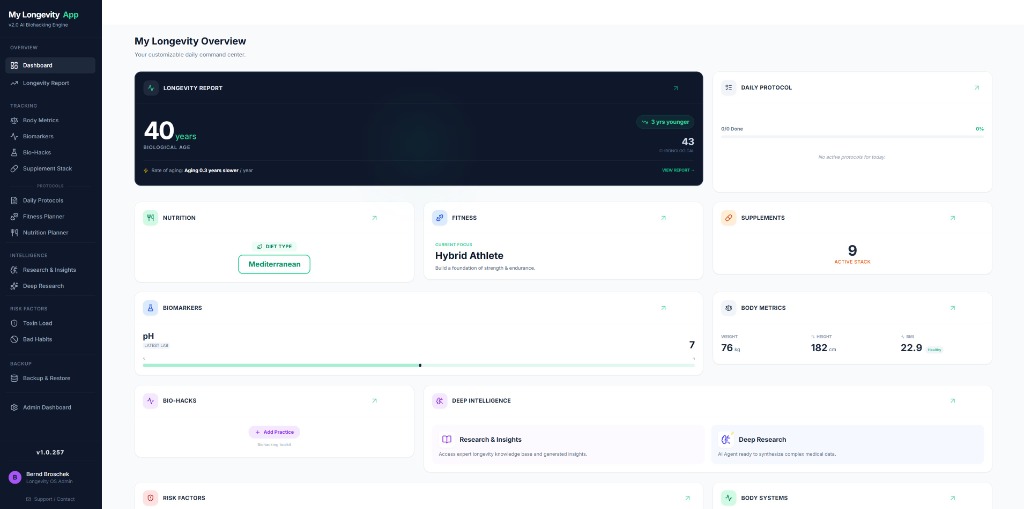
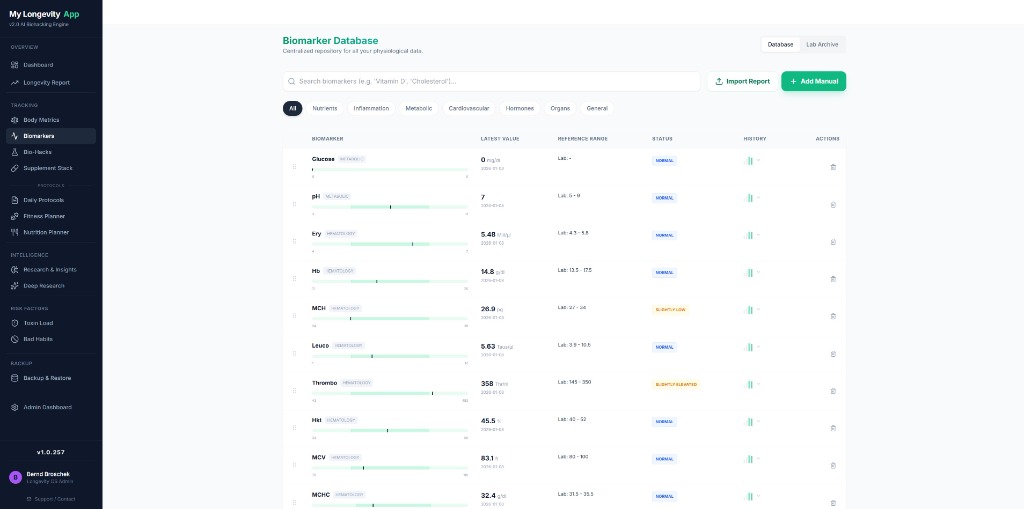
Advanced biohacking tools at your fingertips.
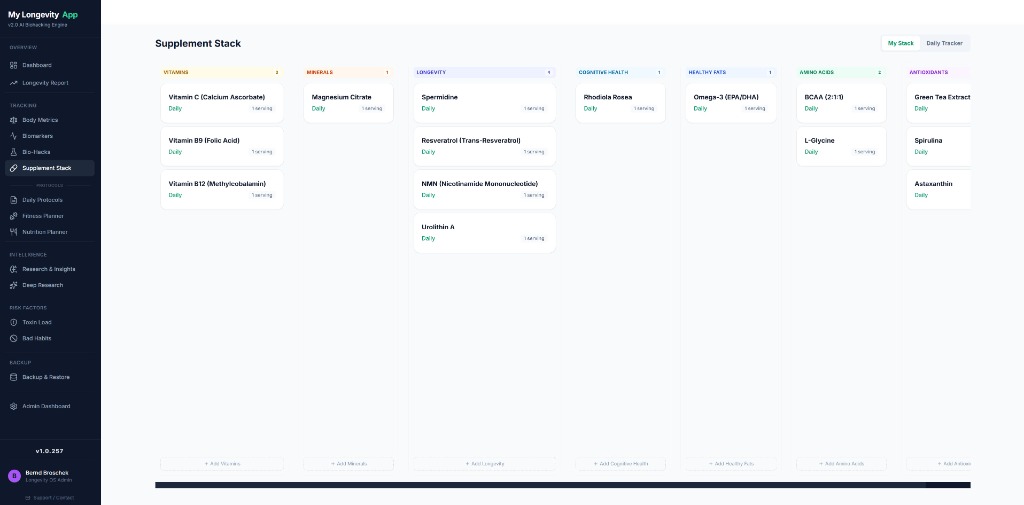
10 integrated modules working together.
Create your account in 30 seconds. No credit card required.
Upload blood work, track body metrics, or start with our AI questionnaire.
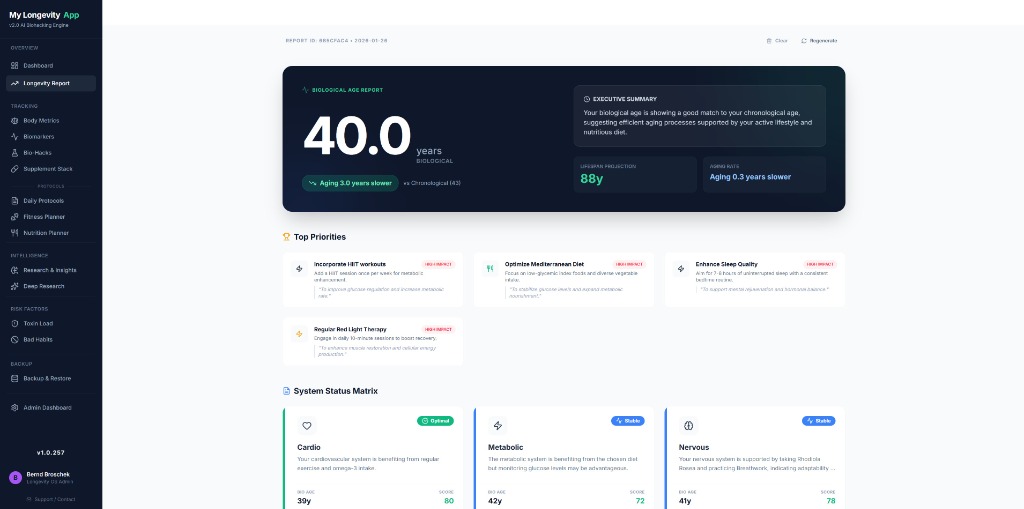
Receive your biological age score, personalized reports, and action plan.
Choose the plan that fits your biohacking journey.
Measure fasting insulin levels to assess how effectively your body uses insulin, essential for understanding insulin resistance.
Conduct an oral glucose tolerance test to evaluate how your body processes sugar, helping identify insulin resistance.
Check your HbA1c levels for an average measure of blood sugar over time, crucial in insulin resistance how to detect which blood tests to check.
Join thousands of biohackers optimizing their health.
"MyLongevityApp helped me lower my biological age by 5 years. The biomarker tracking is a game-changer."
"Finally one app that combines supplements, blood work, and daily protocols. I love the weekly planner."
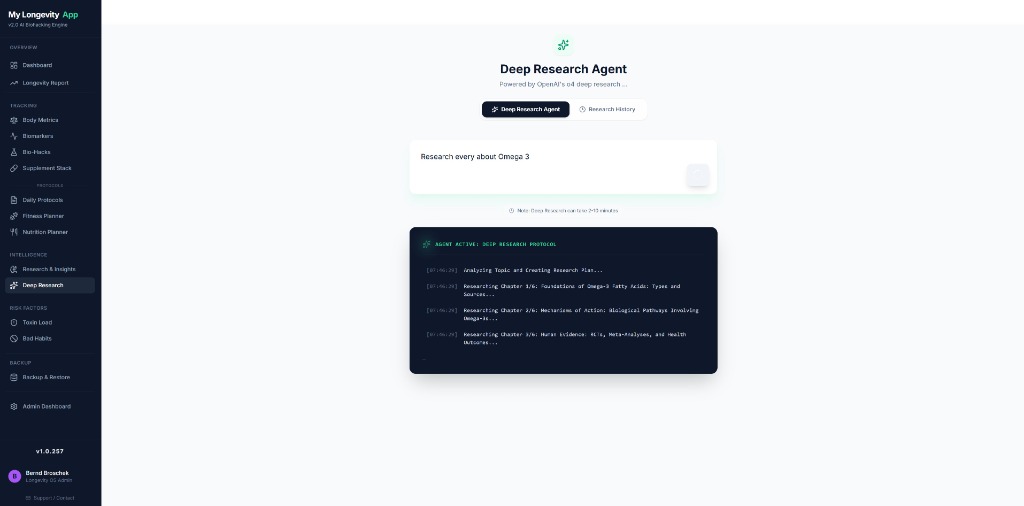
"The AI research agent alone is worth the subscription. It saves me hours of reading every week."
Assessing insulin resistance is crucial for understanding metabolic health and preventing conditions such as type 2 diabetes. To accurately evaluate insulin resistance, several specific blood tests should be considered.
First, the fasting insulin test is essential. This test measures the level of insulin in the blood after an overnight fast. Elevated insulin levels can indicate that the body is not responding effectively to insulin, a hallmark of insulin resistance.
Next, the fasting glucose test is commonly used to assess blood sugar levels. When combined with fasting insulin levels, it provides insight into how well the body manages glucose. A higher fasting glucose level alongside elevated insulin levels often signals insulin resistance.
Another valuable test is the Oral Glucose Tolerance Test (OGTT). This involves measuring blood glucose levels before and after consuming a glucose solution, helping to gauge how well the body processes sugar over time. Additionally, the hemoglobin A1c test offers a longer-term view by measuring average blood sugar levels over the past two to three months, which can also reflect insulin sensitivity.
Lastly, the Homeostasis Model Assessment of Insulin Resistance (HOMA-IR) is a calculation derived from fasting insulin and glucose levels. This index provides a quantitative measure of insulin resistance and can be particularly useful in clinical settings.
For those interested in biohacking their health, using platforms like MyLongevityApp can help track these biomarkers effectively. Understanding insulin resistance and how to detect which blood tests to check empowers individuals to make informed decisions about their health.
Regular testing and monitoring of these indicators can lead to early intervention and better management of metabolic health.
Insulin resistance is a condition that can significantly impact metabolic health, and understanding how to detect it through blood tests is essential for making informed dietary and lifestyle changes. Blood tests that measure fasting insulin levels, glucose tolerance, and hemoglobin A1c provide insights into how well your body is processing sugar. Elevated insulin levels or impaired glucose control can indicate insulin resistance, prompting a need for lifestyle adjustments.
Once you have the results from your blood tests, you can tailor your diet to improve insulin sensitivity. For instance, a diet rich in whole foods, including vegetables, lean proteins, and healthy fats, can support metabolic function. Reducing processed carbohydrates and sugars is particularly vital, as these can exacerbate insulin resistance. Incorporating fiber-rich foods can also help stabilize blood sugar levels, making it easier for the body to manage insulin.
Physical activity plays a crucial role as well. Regular exercise, particularly strength training and aerobic activities, has been shown to enhance insulin sensitivity. Establishing a consistent exercise routine not only aids in weight management but also fosters better metabolic health. Tools like MyLongevityApp can assist in tracking your dietary choices and physical activity, providing personalized insights based on your goals.
A concrete takeaway is to actively engage with your test results by making specific dietary changes and establishing a regular exercise routine. Monitoring your progress through apps and regular follow-ups with healthcare professionals can lead to improved metabolic health and a reduced risk of chronic diseases associated with insulin resistance.
Monitoring both fasting insulin levels and glucose levels is crucial in evaluating insulin resistance because these two metrics provide complementary insights into metabolic health. Insulin resistance occurs when cells become less sensitive to insulin, leading to elevated blood sugar levels and increased demands on the pancreas to produce more insulin. By assessing both fasting insulin and glucose levels, you can gain a clearer picture of how well your body is managing glucose metabolism.
Fasting glucose levels indicate how effectively your body can process sugar after a period of fasting. Elevated fasting glucose can signal potential insulin resistance, but it doesn’t tell the whole story. Fasting insulin levels, on the other hand, reveal how much insulin your pancreas is producing in response to glucose. High fasting insulin levels, even when glucose levels are normal, can indicate that your body is working harder to maintain balance due to insulin resistance.
When evaluating insulin resistance, understanding both parameters is essential for a comprehensive assessment. Relying solely on glucose levels can lead to a delayed diagnosis, as insulin resistance may develop long before significant increases in blood glucose are observed. Therefore, knowing how to detect insulin resistance through proper blood tests, including both fasting insulin and glucose levels, is vital for proactive health management.
For those engaged in biohacking and longevity strategies, utilizing tools like MyLongevityApp can help track and analyze these metrics over time. Regular monitoring can empower individuals to make informed lifestyle choices that support better metabolic health. Prioritizing both fasting insulin and glucose levels can be a game-changer in your journey toward optimal health.
Understanding insulin sensitivity is crucial for maintaining metabolic health and preventing conditions like diabetes. While glucose and insulin levels are widely recognized biomarkers, several additional indicators can provide deeper insights into a person's insulin sensitivity.
One key biomarker is **hemoglobin A1c (HbA1c)**, which reflects average blood glucose levels over the past two to three months. Elevated HbA1c levels suggest impaired glucose metabolism, offering a broader view of insulin resistance. Another important marker is **C-peptide**, a byproduct of insulin production. High levels of C-peptide can indicate that the pancreas is working harder to produce insulin, often in response to insulin resistance.
**Lipid profiles** are also significant. Specifically, elevated levels of triglycerides and low levels of high-density lipoprotein (HDL) cholesterol can be associated with insulin resistance. The presence of **high-sensitivity C-reactive protein (hs-CRP)** can reveal systemic inflammation, which is often linked to metabolic dysfunction and insulin sensitivity issues.
Lastly, assessing **adiponectin levels** can provide insights into insulin sensitivity. This hormone, secreted by fat cells, typically decreases with increased body fat and insulin resistance.
For those exploring ways to understand insulin resistance how to detect which blood tests to check, incorporating these biomarkers into routine screenings can yield valuable insights. Tools like MyLongevityApp can help track these metrics over time, allowing for personalized health strategies.
To improve insulin sensitivity, consider adopting lifestyle changes such as regular physical activity, a balanced diet rich in whole foods, and stress management techniques. These actions can significantly enhance metabolic health and promote longevity.
Individuals should consider getting tested for insulin resistance if they exhibit certain risk factors or symptoms. Common indicators include a family history of type 2 diabetes, being overweight or obese, and having a sedentary lifestyle. Other symptoms might include fatigue, difficulty concentrating, or cravings for sugary foods. If you fall into any of these categories, proactive testing can help identify issues before they escalate into more serious health problems.
The timing of these tests can also be influenced by age and lifestyle changes. For example, adults over 45 are generally advised to undergo regular screenings, especially if they are overweight or have other risk factors. Additionally, those with conditions like polycystic ovary syndrome (PCOS) or metabolic syndrome should consider testing earlier. Changes in weight, diet, or exercise habits can also serve as triggers for testing. If you’ve recently gained weight or made significant dietary changes, it may be prudent to check your insulin sensitivity.
When it comes to understanding insulin resistance, knowing how to detect which blood tests to check is crucial. Common tests include fasting insulin levels, fasting glucose levels, and the homeostasis model assessment of insulin resistance (HOMA-IR). These tests can provide valuable insights into your metabolic health and help tailor your approach to longevity and biohacking.
For actionable steps, consider using tools like MyLongevityApp to track your health metrics and schedule regular check-ups. This can facilitate timely testing and help you maintain optimal metabolic health. Prioritizing these checks could significantly impact your long-term health and well-being.
Join 10,000+ biohackers optimizing their health with AI.
Start Your 7-Day Free TrialNo credit card required. Cancel anytime.