Discover essential tests to identify heavy metals in your body for optimal health.
For those concerned about the heavy metals in their body, the emotional burden can be overwhelming. You might feel a nagging uncertainty about your health, questioning whether hidden toxins are affecting your vitality and longevity. The search for clarity leads you to wonder which tests are worth getting done to uncover the truth and reclaim your well-being, as the weight of this invisible threat looms heavily over your daily life.
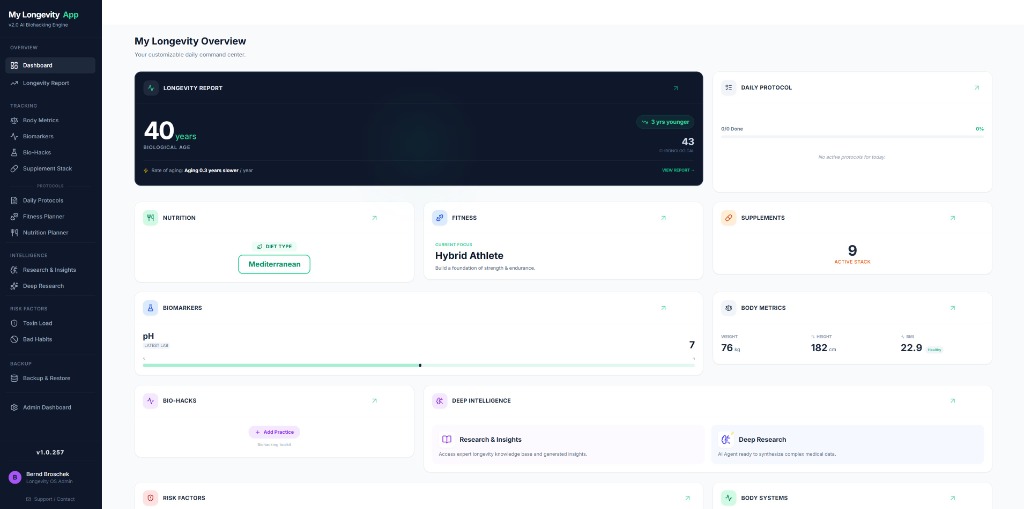
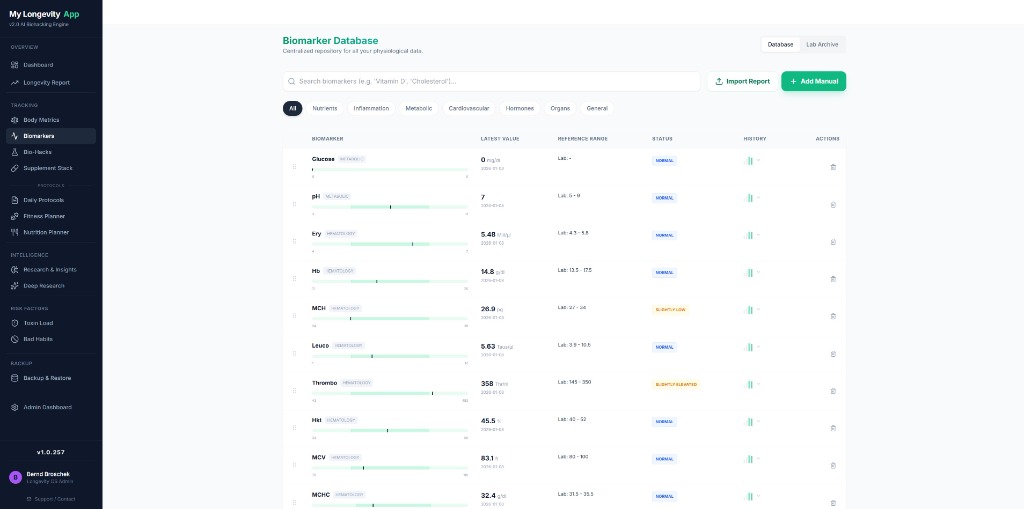
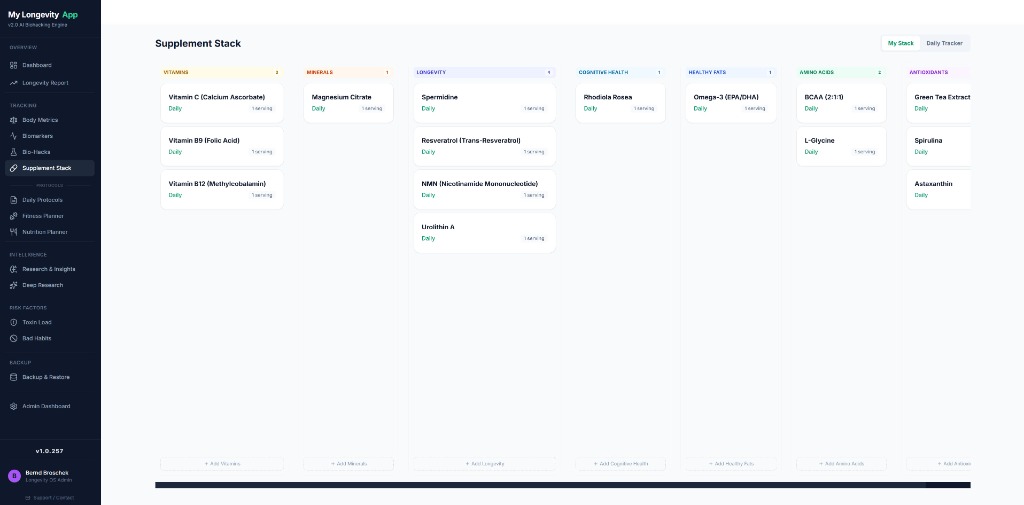
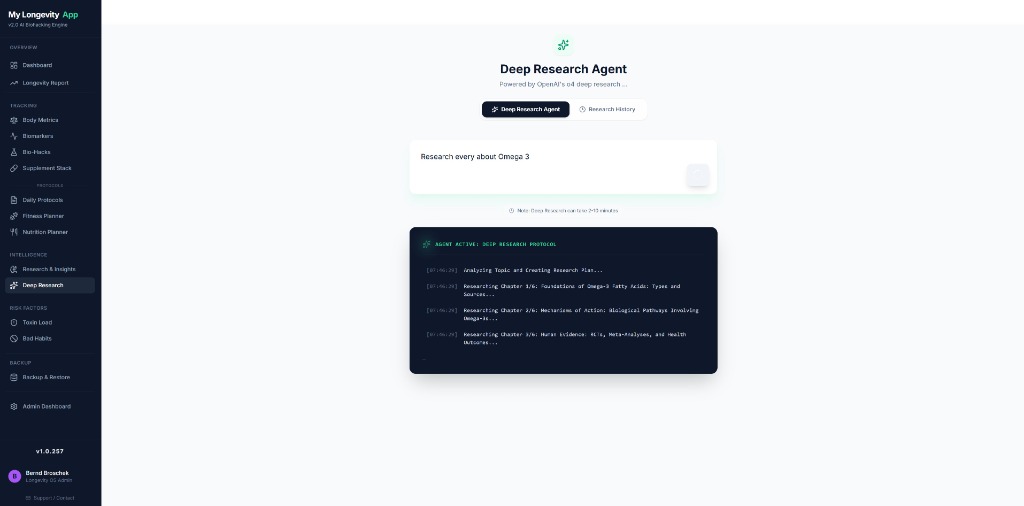
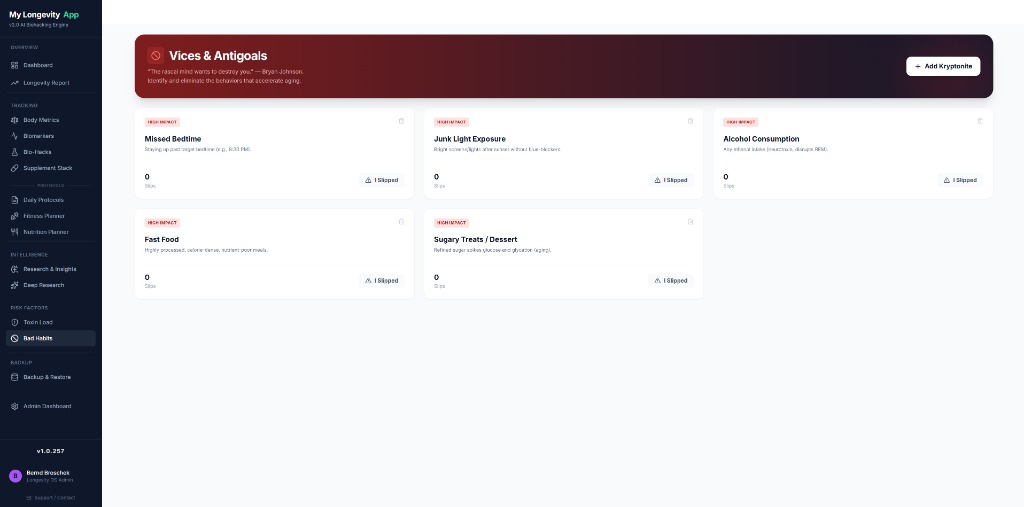
Advanced biohacking tools at your fingertips.
10 integrated modules working together.
Create your account in 30 seconds. No credit card required.
Upload blood work, track body metrics, or start with our AI questionnaire.
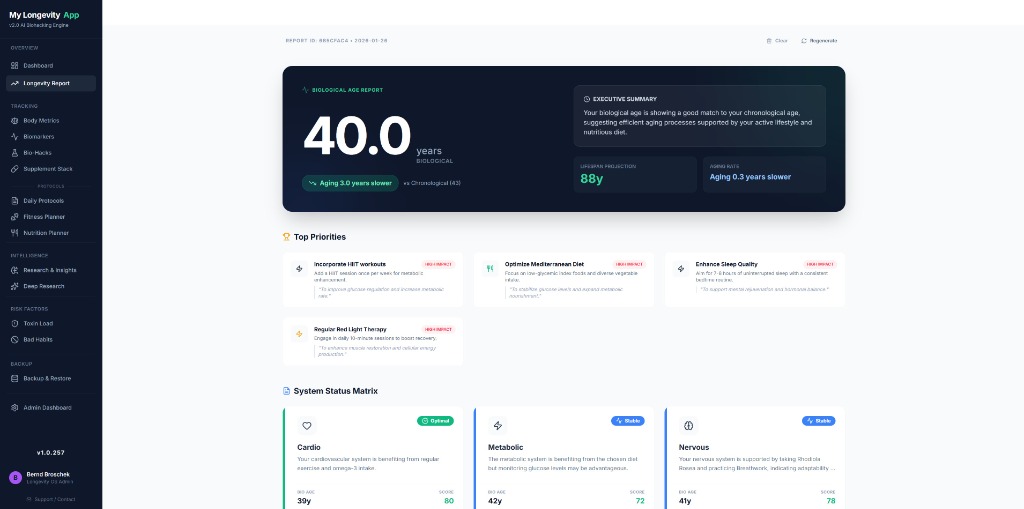
Receive your biological age score, personalized reports, and action plan.
Choose the plan that fits your biohacking journey.
A comprehensive blood test can identify heavy metals in body which tests are worth getting done to assess toxic exposure.
24-hour urine tests effectively measure excretion of heavy metals, providing insights into your body's burden.
Hair tests can reveal long-term heavy metal accumulation, helping you understand past exposure and potential health risks.
Join thousands of biohackers optimizing their health.
"MyLongevityApp helped me lower my biological age by 5 years. The biomarker tracking is a game-changer."
"Finally one app that combines supplements, blood work, and daily protocols. I love the weekly planner."
"The AI research agent alone is worth the subscription. It saves me hours of reading every week."
Detecting heavy metal toxicity in the body is crucial for maintaining health and longevity. Several tests are available, each varying in accuracy and reliability. The most common methods include blood tests, urine tests, and hair analysis.
Blood tests measure the concentration of specific heavy metals, such as lead and mercury, providing immediate results. However, these tests are limited because they only reflect recent exposure rather than the body’s total burden. Therefore, while blood tests can be useful for acute toxicity, they might not be the best option for assessing chronic exposure.
Urine tests, particularly the provoked urine test, are another popular method. This involves administering a chelating agent to mobilize metals stored in tissues, followed by a urine collection. This approach can offer insights into the body’s heavy metal load over time. However, the accuracy of this test can depend on the individual’s hydration levels and the specific chelating agent used.
Hair analysis is often touted as a non-invasive method to detect heavy metals in the body, but its reliability is contentious. Factors such as external contamination and hair treatment can skew results, making it less dependable as a primary diagnostic tool.
When considering "heavy metals in body which tests are worth getting done," it's essential to weigh these options carefully. If you suspect heavy metal exposure, consult a healthcare professional to choose the most appropriate test based on your specific situation. MyLongevityApp can assist you in tracking your health metrics and identifying potential risks associated with heavy metal toxicity, enhancing your proactive approach to health management.
Taking action by getting the right tests done can be a significant step toward better health.
The presence of heavy metals in the body can significantly impact overall health and longevity. These toxic elements, such as lead, mercury, and arsenic, can accumulate over time, leading to a range of adverse health effects. Chronic exposure has been linked to neurological disorders, cardiovascular diseases, and compromised immune function. In particular, heavy metals can disrupt cellular processes, leading to inflammation and oxidative stress, which are critical factors in aging.
Individuals should be aware of various symptoms that may indicate heavy metal toxicity. Common signs include fatigue, headaches, digestive issues, and cognitive impairments such as memory loss or difficulty concentrating. More severe cases may present with muscle weakness, joint pain, and changes in mood or behavior. Given that these symptoms can be vague and overlap with other health conditions, identifying heavy metals in the body is crucial for targeted interventions.
For those concerned about potential heavy metal exposure, understanding which tests are worth getting done is essential. Blood tests, urine tests, and hair analysis can help determine the levels of heavy metals present in the body. These tests can guide the selection of detoxification methods and nutritional strategies to mitigate the effects of heavy metals. Tools like MyLongevityApp can provide personalized insights into your health metrics, including heavy metal exposure.
Taking proactive steps to minimize exposure—such as assessing your environment, dietary choices, and lifestyle—can significantly contribute to better health outcomes. Regular testing can empower individuals to make informed decisions about their health and longevity.
Heavy metals in the body can pose significant health risks, making testing an important consideration for individuals concerned about their well-being. The most commonly tested heavy metals include lead, mercury, cadmium, and arsenic. Each of these metals has distinct sources of exposure that individuals should evaluate when assessing their risk.
Lead exposure can occur through contaminated drinking water, lead-based paints, and certain types of pottery or ceramics. Children, in particular, are vulnerable to lead toxicity, which can affect cognitive development and overall health. Mercury is often associated with the consumption of certain fish, particularly larger species like shark and swordfish, which can accumulate high levels of this toxic metal over time. Cadmium is primarily found in industrial environments, but it can also be ingested through contaminated soil or tobacco products. Lastly, arsenic is commonly found in drinking water, especially in areas with high levels of natural arsenic in the groundwater, and can also be present in certain agricultural products.
When considering which tests are worth getting done, individuals should consult healthcare providers to discuss their potential exposure history and specific health concerns. Testing can be carried out through blood, urine, or hair samples, with each method offering different insights into heavy metal accumulation in the body. MyLongevityApp can assist users in tracking their health metrics and identifying potential risk factors related to heavy metal exposure.
Taking proactive steps, such as minimizing exposure to known sources and opting for regular testing, can empower individuals to manage their health effectively. Consider incorporating a comprehensive health evaluation that includes heavy metals in body which tests are worth getting done into your wellness routine to ensure you remain informed about your environmental risks.
Determining the optimal time to conduct heavy metal testing is crucial for accurate results and effective health management. Generally, testing is recommended when individuals exhibit symptoms of heavy metal toxicity, such as fatigue, digestive issues, or neurological disorders. However, proactive testing can also be beneficial for those engaged in high-risk activities, such as working in certain industrial environments or consuming specific types of fish known to accumulate heavy metals.
Several factors can influence the results of heavy metal tests, including the type of test used, the timing of the test, and individual physiological conditions. Common testing methods include blood tests, urine tests, and hair analysis, each with its own strengths and limitations. For instance, blood tests typically indicate recent exposure, while urine tests can help assess the body’s ability to excrete heavy metals. Hair analysis offers a longer-term view of heavy metal accumulation but may be affected by external contamination or hair treatments.
Additionally, the timing of the test can significantly impact results. Testing immediately after exposure may show elevated levels, whereas testing too long after exposure may not accurately reflect the body’s burden. Factors such as hydration status, diet, and even medications can also skew results, making it essential to consider these variables when planning for heavy metal testing.
For those exploring heavy metals in body which tests are worth getting done, MyLongevityApp can provide personalized insights based on your lifestyle and potential exposure risks. Regular testing not only aids in identifying heavy metal accumulation but also informs effective detoxification strategies. Taking action by scheduling a test and consulting a healthcare professional can be a vital step in maintaining long-term health and vitality.
Interpreting heavy metal test results requires professional guidance due to the complexity and potential health implications associated with heavy metals in the body. These toxins can originate from various sources, including environmental exposure, dietary intake, and industrial pollutants. A healthcare professional can help contextualize the results, taking into account individual health history, symptoms, and lifestyle factors. They can also differentiate between exposure levels that may not require intervention and those that could indicate significant health risks.
Heavy metals like lead, mercury, and cadmium can accumulate in the body over time, leading to various health issues, including neurological disorders, kidney damage, and immune dysfunction. Therefore, understanding the results is crucial for determining the appropriate follow-up actions. These may include adopting dietary changes, considering detoxification protocols, or further testing to pinpoint specific sources of exposure.
When exploring heavy metals in the body, which tests are worth getting done? Commonly recommended tests include blood, urine, and hair analysis, each providing different insights into metal accumulation and exposure history. Engaging with a healthcare provider can help identify the most suitable tests based on individual circumstances.
A concrete takeaway for anyone who has undergone heavy metal testing is to schedule a consultation with a qualified health professional. This step ensures that you receive a tailored approach to interpreting your results and implementing any necessary lifestyle or medical interventions. Utilizing platforms like MyLongevityApp can facilitate tracking your health metrics over time, making it easier to monitor changes and assess the effectiveness of any follow-up actions.
Join 10,000+ biohackers optimizing their health with AI.
Start Your 7-Day Free TrialNo credit card required. Cancel anytime.