"Unlock your health potential by understanding your blood work results for optimal wellness."
When you receive your blood work results, a wave of anxiety can wash over you, leaving you to grapple with uncertainty about your health. The numbers and jargon can feel overwhelming, sparking fears about potential issues and what they mean for your future. This emotional turmoil is common, as you seek clarity and reassurance in a world where every detail seems crucial to your longevity and well-being.
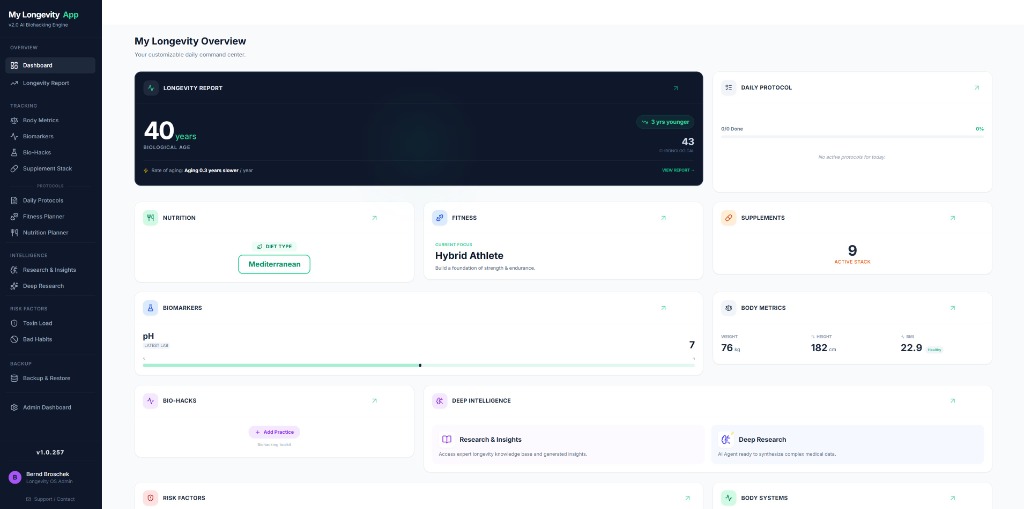
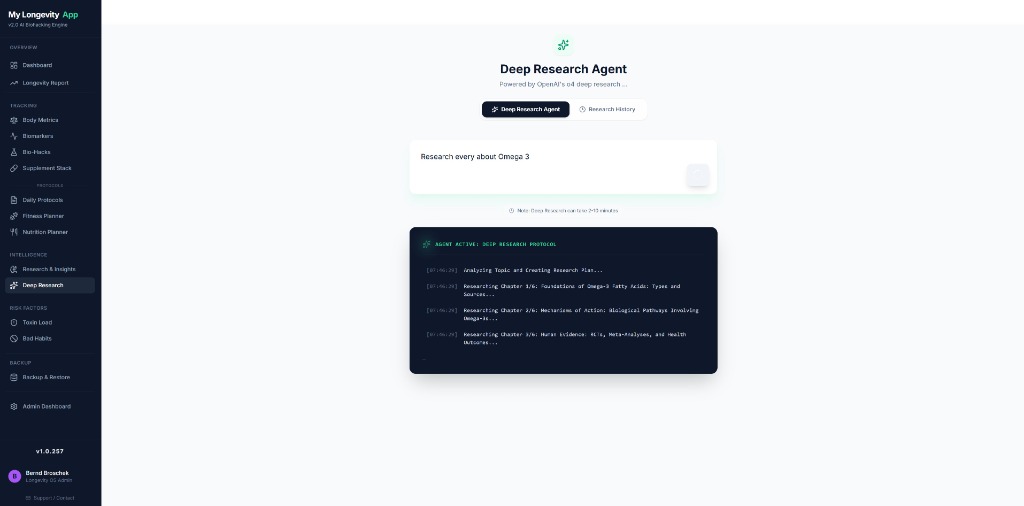
Advanced biohacking tools at your fingertips.
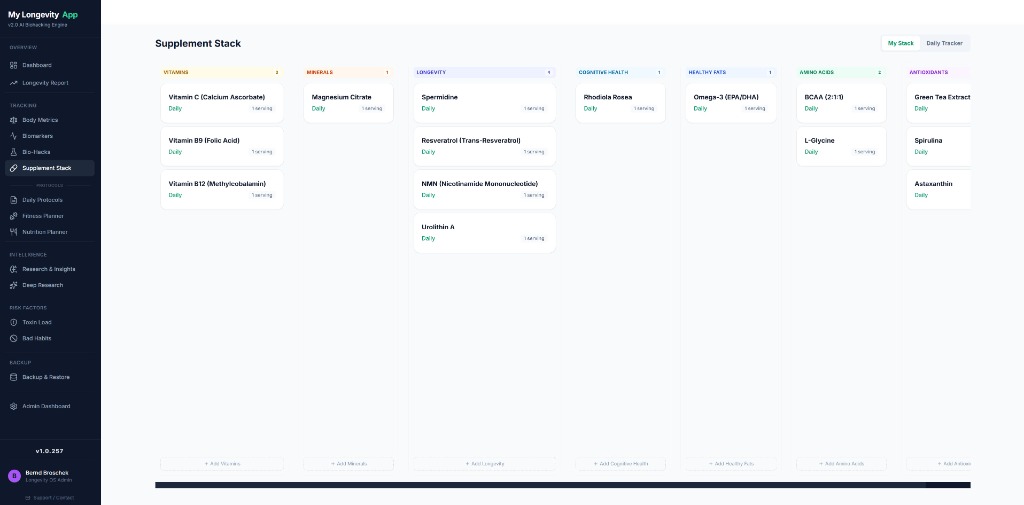
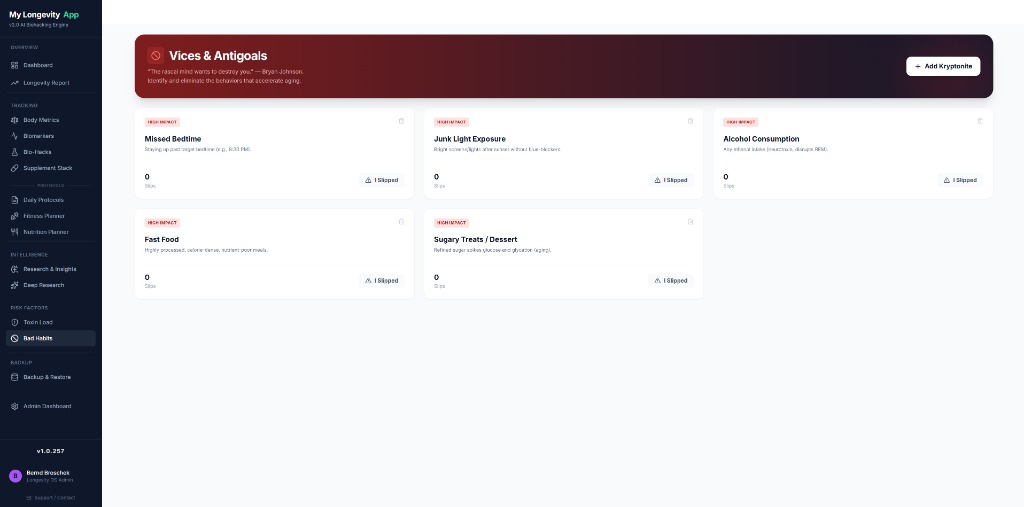
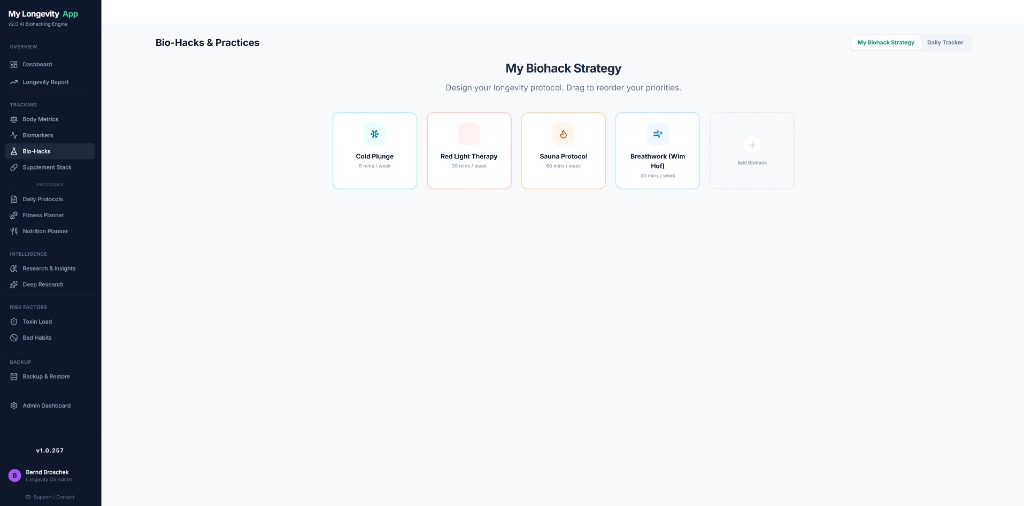
10 integrated modules working together.
Create your account in 30 seconds. No credit card required.
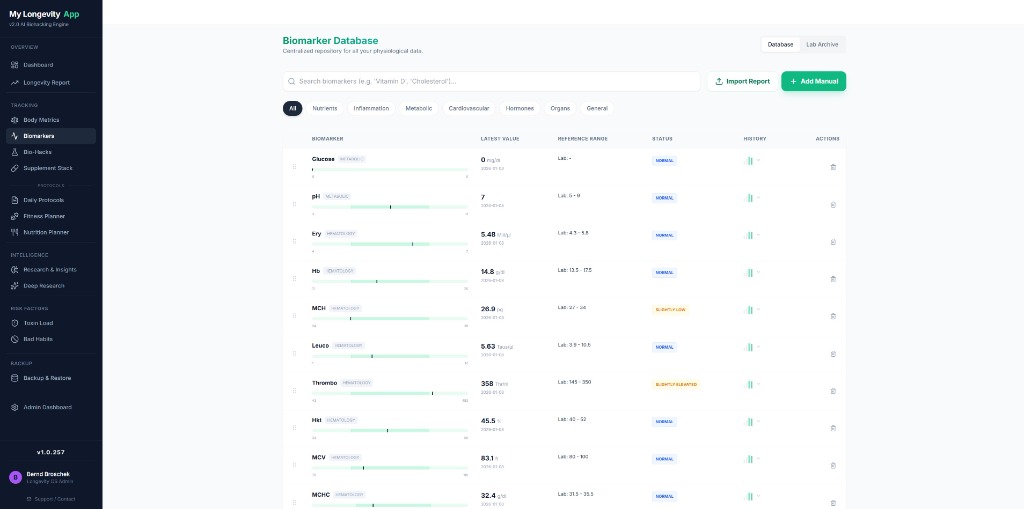
Upload blood work, track body metrics, or start with our AI questionnaire.
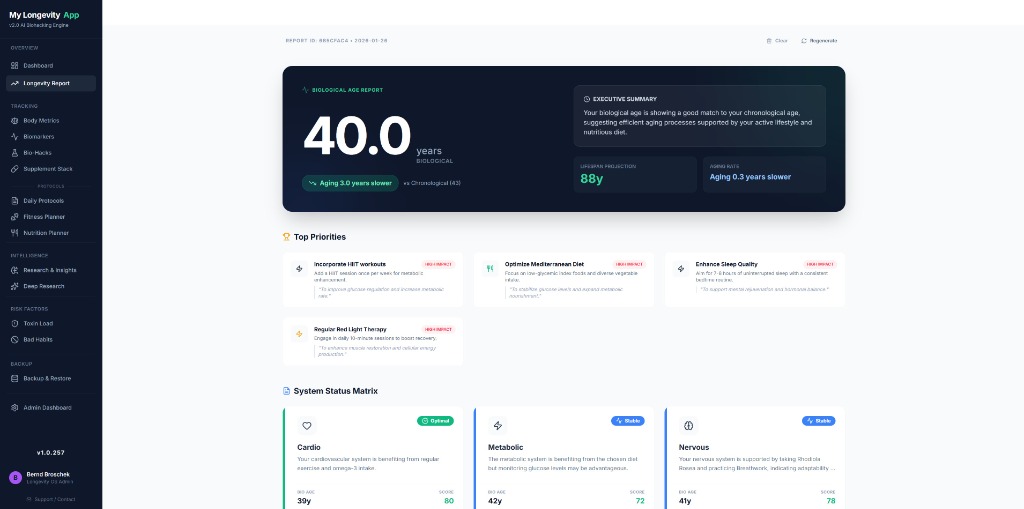
Receive your biological age score, personalized reports, and action plan.
Choose the plan that fits your biohacking journey.
Learn to interpret your blood work results by focusing on key metrics like cholesterol, glucose, and inflammation markers.
Discuss your blood work results with a healthcare professional to identify personalized strategies for improving health and longevity.
Schedule regular blood tests to track changes over time and adjust your biohacking practices for optimal health.
Join thousands of biohackers optimizing their health.
"MyLongevityApp helped me lower my biological age by 5 years. The biomarker tracking is a game-changer."
"Finally one app that combines supplements, blood work, and daily protocols. I love the weekly planner."
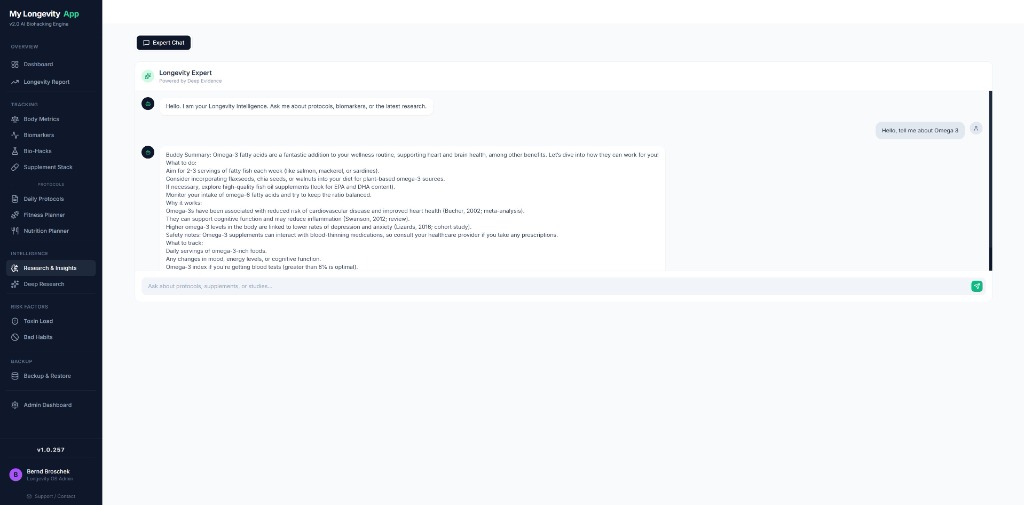
"The AI research agent alone is worth the subscription. It saves me hours of reading every week."
When evaluating blood work results, several key biomarkers can provide valuable insights into an individual's overall health and longevity potential. Focusing on these indicators can help identify risk factors and guide lifestyle modifications for better health outcomes.
One of the most critical biomarkers is lipid profile, which includes total cholesterol, LDL (bad cholesterol), HDL (good cholesterol), and triglycerides. Elevated LDL levels and low HDL levels are associated with increased cardiovascular risk, making it essential to monitor these figures regularly. Additionally, inflammatory markers such as C-reactive protein (CRP) can indicate systemic inflammation, a crucial factor in many chronic diseases.
Another important biomarker is fasting glucose and insulin levels. These metrics help assess metabolic health and can signal early signs of insulin resistance or diabetes, conditions that can significantly impact longevity. Hemoglobin A1c is also a valuable measure, providing a longer-term view of blood sugar control.
Hormonal levels, particularly testosterone and estrogen, can influence various aspects of health, including muscle mass, bone density, and mood. Monitoring these hormones can help individuals optimize their physical and mental well-being as they age. Additionally, vitamin D levels are vital, as deficiencies have been linked to numerous health issues, including osteoporosis and immune dysfunction.
For those looking to take a proactive approach to their health, utilizing tools like MyLongevityApp can help track these biomarkers and provide personalized recommendations. Regularly reviewing and understanding blood work results empowers individuals to make informed decisions about their health journey. Focus on these specific biomarkers to enhance your longevity potential and overall quality of life.
Variations in blood work results can provide critical insights into nutrient deficiencies or excesses that may significantly impact aging. As we age, our bodies undergo various physiological changes that can alter nutrient absorption and utilization. Regular blood tests can highlight imbalances in vitamins, minerals, and other essential compounds, allowing for timely interventions that support healthy aging.
For instance, low levels of vitamin D, as indicated by blood work results, can lead to decreased bone density and an increased risk of fractures. This vitamin plays a crucial role in calcium absorption and immune function, both of which are vital for maintaining health as we grow older. Similarly, deficiencies in B vitamins, such as B12 or folate, can lead to cognitive decline, fatigue, and mood disturbances. These deficiencies can be easily overlooked without routine blood testing, potentially accelerating the aging process.
On the other hand, excesses in certain nutrients can also pose risks. Elevated iron levels, for example, can lead to oxidative stress and damage to cells, contributing to age-related diseases. By monitoring these levels through blood work, individuals can make informed dietary and lifestyle changes to optimize their health.
Using tools like MyLongevityApp can assist individuals in tracking their blood work results over time, helping to identify patterns and make necessary adjustments. Regular assessments empower individuals to take proactive steps in managing their health and longevity.
To ensure optimal nutrient levels, consider scheduling regular blood tests and consulting with a healthcare provider to interpret the results effectively. Tailoring your diet and supplementation based on these insights can enhance your overall well-being and potentially slow the aging process.
The timing and context of blood work results play a crucial role in accurately assessing an individual’s health status. Fasting versus non-fasting samples can significantly influence the interpretation of various biomarkers, which are essential for understanding metabolic health, nutritional status, and disease risk. For instance, lipid levels, such as cholesterol and triglycerides, often require fasting for optimal accuracy. When a patient consumes food before a test, it can result in misleadingly elevated levels, potentially leading to unnecessary anxiety or inappropriate treatment decisions.
Moreover, the context in which blood samples are taken also matters. Factors such as the time of day, recent physical activity, and even stress levels can alter specific markers. For example, cortisol levels tend to be higher in the morning due to the body’s circadian rhythm, which can skew results if not taken into account. This variability emphasizes the need for a standardized approach to blood work to ensure that results are not only reliable but also actionable.
Using tools like MyLongevityApp can help individuals track their blood work results and other health metrics over time, providing a more comprehensive view of their health. This can aid in understanding how factors like diet, exercise, and lifestyle choices impact their blood work.
For anyone undergoing blood tests, it is essential to communicate with healthcare providers about the conditions under which the samples were taken. This dialogue can lead to more accurate interpretations and informed decisions about one's health strategy. Always consider not just the numbers on the report but the context behind those blood work results.
Understanding which blood work results are most predictive of age-related diseases can significantly enhance personal biohacking strategies. Among the most critical markers are inflammatory markers, lipid profiles, and hormone levels. Elevated C-reactive protein (CRP) and cytokines can indicate chronic inflammation, a key factor in many age-related diseases such as cardiovascular issues and neurodegenerative disorders. Monitoring these inflammatory markers allows individuals to identify and address potential health risks before they escalate.
Lipid profiles, particularly levels of LDL and HDL cholesterol, are also essential indicators. An imbalance in these lipoproteins can lead to cardiovascular diseases, which are prevalent in older populations. Regular assessments of these blood work results enable individuals to modify their diets and exercise routines effectively. For instance, incorporating omega-3 fatty acids can help improve lipid profiles and reduce inflammation.
Hormones, particularly insulin and testosterone levels, play a crucial role in metabolic health and aging. Insulin resistance is a significant predictor of type 2 diabetes and is linked to obesity and other chronic conditions. Monitoring insulin levels can guide dietary choices, such as reducing carbohydrate intake to enhance metabolic flexibility. Similarly, understanding testosterone levels can inform strategies for maintaining muscle mass and energy levels as one ages.
Utilizing tools like MyLongevityApp can help individuals keep track of their blood work results and identify trends over time. By integrating this data with lifestyle adjustments, individuals can tailor their biohacking strategies more effectively.
A concrete takeaway is to regularly analyze key blood work results, focusing on inflammation, lipid profiles, and hormonal health. This proactive approach will empower you to make informed lifestyle changes that promote longevity and overall well-being.
When individuals implement lifestyle changes aimed at enhancing longevity, it’s essential to monitor the impact of these adjustments through regular blood work results. Generally, it is advisable to retest blood work approximately three to six months after making significant changes, such as adopting a new diet, increasing physical activity, or incorporating supplements. This timeframe allows the body to respond to the changes and provides a clearer picture of how these interventions are influencing overall health markers.
The specific changes one might expect to see in their blood work results can vary based on the lifestyle modifications made. For instance, individuals who have improved their diet may notice better cholesterol levels, reduced triglycerides, and improved blood sugar control. Those who have increased their physical activity might see enhancements in their cardiovascular health, reflected in lower resting heart rates and improved markers of inflammation. Additionally, incorporating stress management techniques can lead to a more balanced cortisol level, which is crucial for long-term wellness.
Utilizing tools like MyLongevityApp can help track these changes effectively. The app allows users to log their lifestyle adjustments and correlate them with their blood work results, making it easier to see the direct impact of their efforts over time.
To optimize the benefits of lifestyle changes for longevity, schedule regular blood tests to monitor health markers. This proactive approach not only provides accountability but also empowers you to make informed decisions about future health strategies.
Join 10,000+ biohackers optimizing their health with AI.
Start Your 7-Day Free TrialNo credit card required. Cancel anytime.