Discover how exercise impacts your blood work for optimized health and performance insights.
When you pour your heart and soul into your workouts, it can be disheartening to wonder how this dedication translates into your health metrics. Many people are left confused and anxious about the implications of their blood work after exercise and how training affects lab results. This uncertainty can feel overwhelming, especially when you’re striving for optimal health and longevity, leaving you questioning whether your efforts are truly paying off.
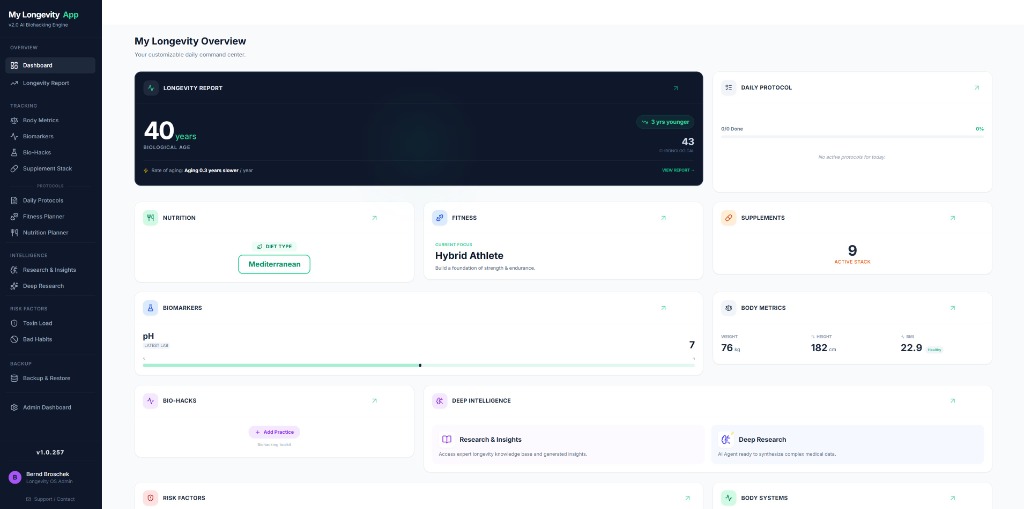
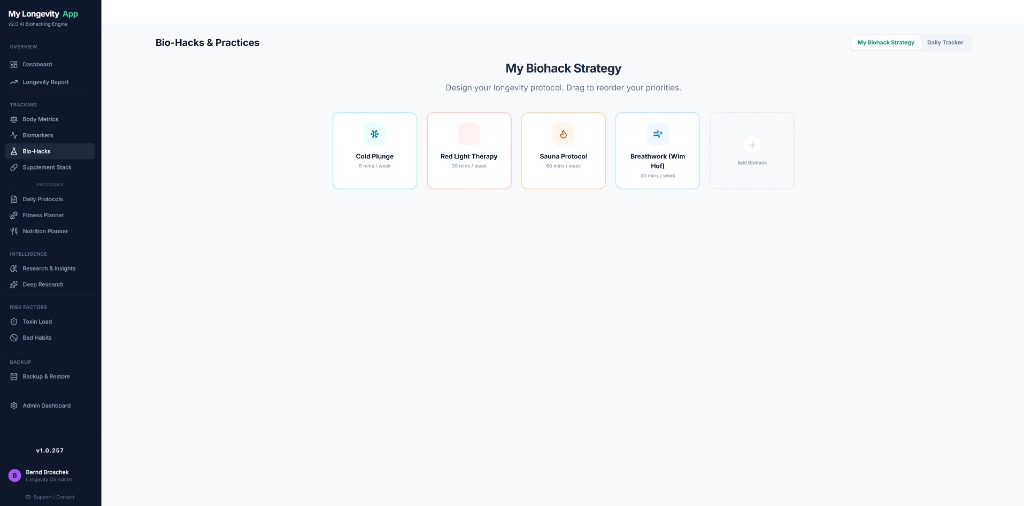
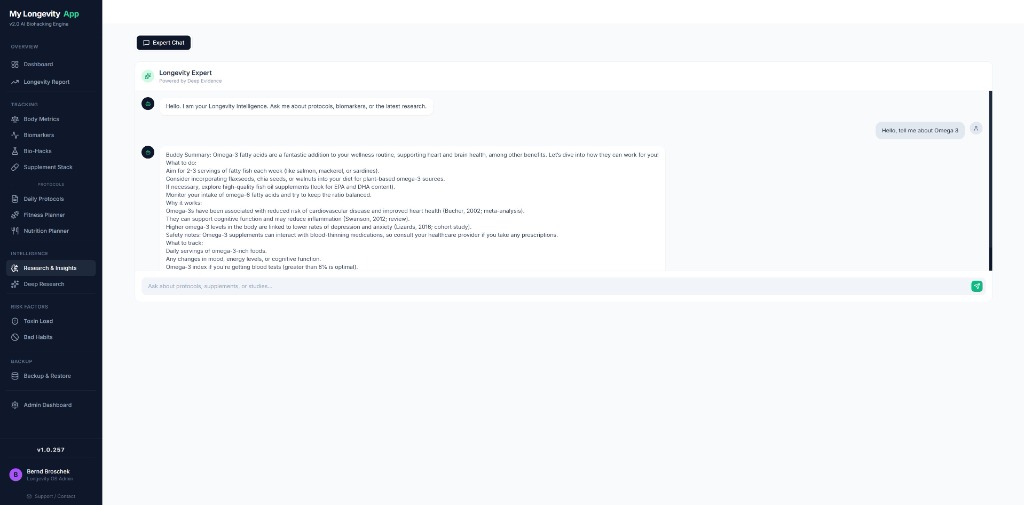
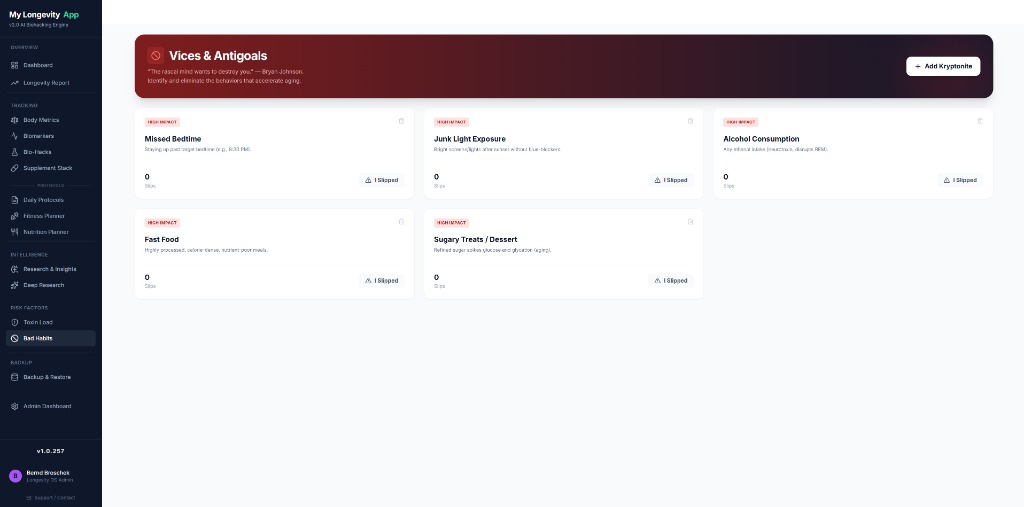
Advanced biohacking tools at your fingertips.
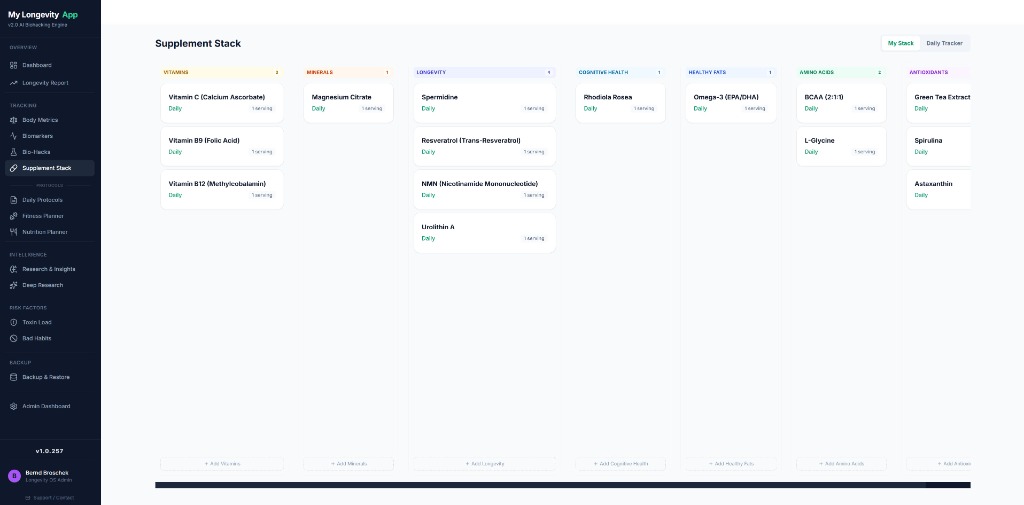
10 integrated modules working together.
Create your account in 30 seconds. No credit card required.
Upload blood work, track body metrics, or start with our AI questionnaire.
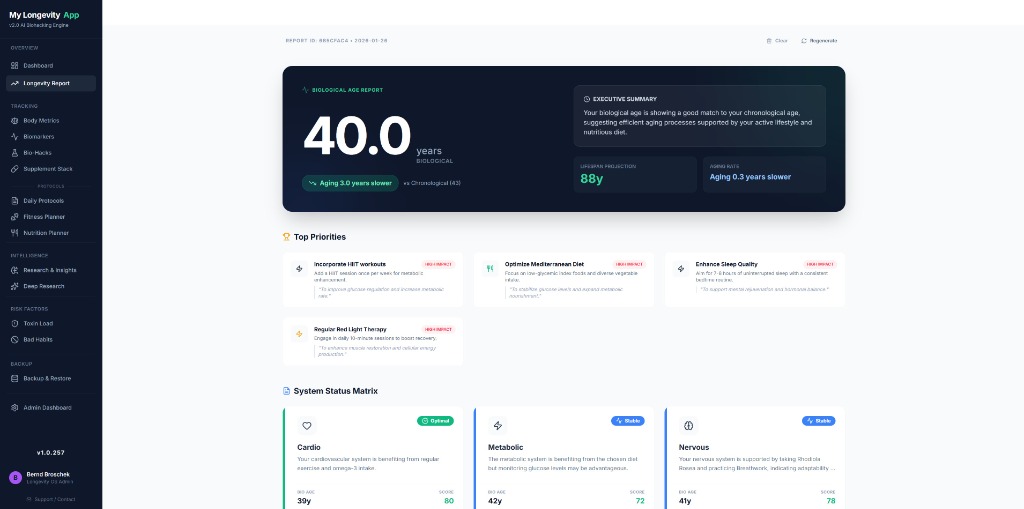
Receive your biological age score, personalized reports, and action plan.
Choose the plan that fits your biohacking journey.
Schedule blood work after a rest period to minimize the impact of exercise on lab results.
Stay well-hydrated before drawing blood to ensure accurate measurements post-exercise.
Maintain a consistent training routine before testing; understand blood work after exercise how training affects lab results for better insights.
Join thousands of biohackers optimizing their health.
"MyLongevityApp helped me lower my biological age by 5 years. The biomarker tracking is a game-changer."
"Finally one app that combines supplements, blood work, and daily protocols. I love the weekly planner."
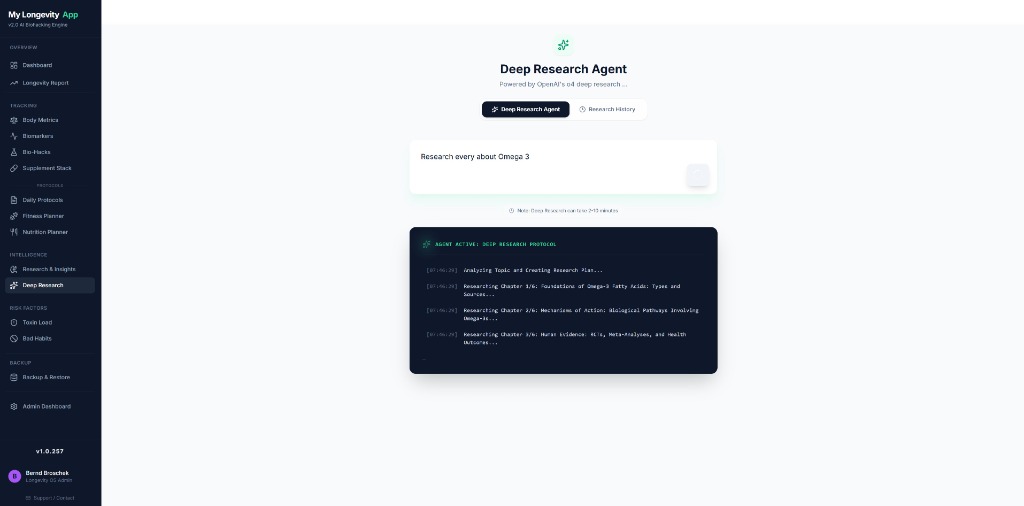
"The AI research agent alone is worth the subscription. It saves me hours of reading every week."
Intense exercise has a profound impact on various biomarkers commonly assessed through blood work. Key among these are cortisol and creatine kinase (CK) levels. Cortisol, often referred to as the stress hormone, typically increases in response to physical stressors, including rigorous workouts. This hormone plays a crucial role in metabolism and the body's response to stress, and its elevation can indicate that the body is adapting to the demands of intense training. While a temporary increase is normal and can even be beneficial for recovery and muscle repair, chronically high levels due to overtraining may have adverse effects on health.
Creatine kinase, on the other hand, serves as an indicator of muscle damage. Elevated CK levels in blood work after exercise how training affects lab results can reflect the extent of muscle fiber breakdown during intense physical activity. While this is a normal response to high-intensity workouts, consistently high CK levels may signal excessive muscle damage or insufficient recovery. Monitoring these biomarkers can provide valuable insights into training effectiveness and recovery needs.
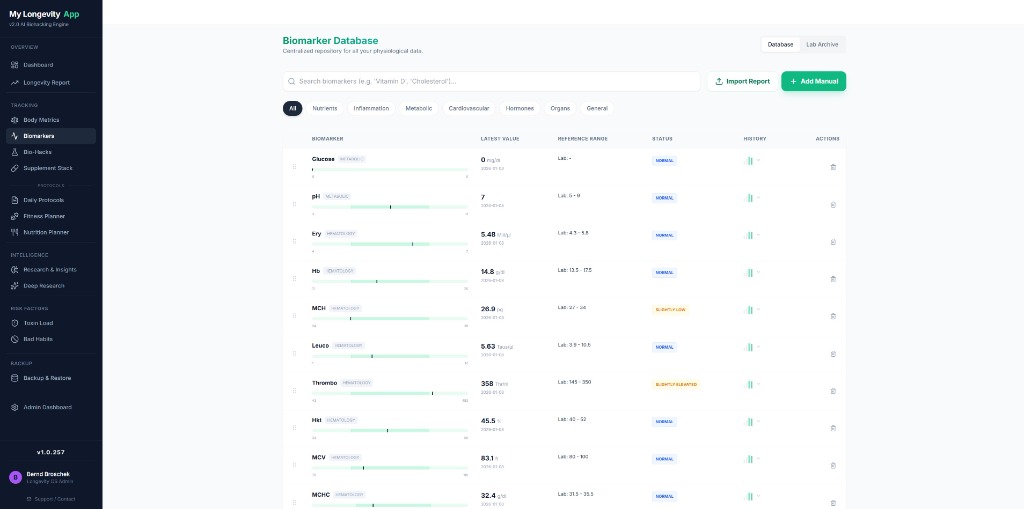
For those interested in optimizing their training regimens, utilizing apps like MyLongevityApp can help track these biomarkers over time. This allows athletes to adjust their training intensity and recovery strategies based on individual responses.
A practical takeaway is to regularly monitor your blood work, specifically cortisol and CK levels, after intense training sessions. This data can inform you when to push harder or when to prioritize recovery, ultimately enhancing your performance and promoting long-term health.
Athletes often monitor their blood chemistry to assess health and performance, and understanding how their training regimens affect lab results can be enlightening. After intense training sessions, athletes can expect to see notable shifts in several key biomarkers reflected in their blood work after exercise, illustrating how training affects lab results.
Immediately following endurance training, such as long-distance running or cycling, athletes may experience elevated levels of cortisol and adrenaline. These hormones are indicators of stress response and energy mobilization. Additionally, markers like creatine kinase (CK) can spike due to muscle breakdown, reflecting the intensity of the workout. Conversely, after resistance training, athletes might observe increased levels of testosterone and growth hormone, which are crucial for muscle repair and building.
Notably, changes in biochemical markers extend beyond hormones. Athletes often see variations in glucose levels, particularly after high-intensity interval training (HIIT), where a rapid rise and subsequent drop can occur. Furthermore, lipid profiles may show fluctuations in triglycerides and cholesterol levels, influenced by both the type and duration of exercise performed.
For those interested in tracking these changes, apps like MyLongevityApp can provide personalized insights into how different training modalities impact individual blood chemistry. This data enables athletes to tailor their training, nutrition, and recovery strategies for optimal performance and health.
To gain a deeper understanding of how training impacts your specific blood work, consider scheduling regular lab tests and analyzing the results in conjunction with your training regimen. This proactive approach can lead to better-informed decisions that enhance both performance and overall well-being.
The timing of blood work can significantly impact the accuracy of health assessments and performance evaluations. When considering factors such as hydration levels, hormonal fluctuations, and muscle metabolism, it's crucial to recognize how training can influence lab results. For instance, immediate post-exercise blood samples may reflect elevated markers related to muscle stress and inflammation, potentially skewing the interpretation of overall health metrics.
One vital aspect to consider is the body’s physiological response to exercise. During workouts, the body undergoes various metabolic changes that can temporarily alter blood composition. For example, a vigorous training session may lead to increased creatine kinase levels, indicating muscle damage. If blood work is conducted shortly after exercise, these elevated levels might mislead healthcare providers into thinking there’s an underlying health issue or chronic condition, when in fact it is simply a response to recent physical activity.
Furthermore, certain nutrients and hormones fluctuate significantly during and after exercise. Cortisol, a stress hormone, increases during intense workouts, which can affect metabolic assessments. By understanding blood work after exercise and how training affects lab results, individuals can provide more accurate data to their healthcare providers, leading to better-informed health strategies.
For those using MyLongevityApp, incorporating workout timing into your health tracking can enhance the accuracy of your insights. By scheduling blood work sessions at optimal times—preferably at least 24 hours post-exercise—you can obtain a clearer picture of your baseline health markers. This approach allows for better monitoring of your fitness progress and overall well-being. Prioritizing timing in your health assessments is essential for a comprehensive understanding of how your training regime affects your body.
When assessing blood work after exercise, several factors beyond exercise intensity can influence lab results. Understanding these variables is crucial for obtaining accurate assessments and making informed health decisions.
One significant factor is hydration status. Exercise can lead to dehydration, which may concentrate certain blood components, such as electrolytes and proteins, skewing results. To mitigate this, ensure adequate hydration before, during, and after training. Aim to drink water consistently throughout the day and consider electrolyte supplementation if engaging in prolonged or intense workouts.
Another factor is the timing of blood collection relative to exercise. Hormonal levels, such as cortisol and adrenaline, can fluctuate significantly post-exercise, affecting markers of inflammation and metabolic activity. Ideally, blood work should be conducted at least 24 hours after intense training to allow these levels to stabilize. This practice helps provide a clearer snapshot of your baseline health.
Diet also plays a crucial role in influencing blood work results after exercise. Nutritional intake right before testing can alter lipid profiles and glucose levels. To control for this, maintain a consistent diet leading up to your blood tests and refrain from heavy meals within a few hours of testing.
Lastly, individual factors such as stress levels, sleep quality, and overall health can impact lab results. Utilizing tools like MyLongevityApp can help track these variables over time, providing insights into how training affects lab results and improving overall health management.
To ensure the most accurate blood work after exercise, focus on hydration, timing of tests, dietary consistency, and monitoring lifestyle factors. This holistic approach will help you gain a clearer understanding of your health metrics and their relationship to your training regimen.
Scheduling blood tests is essential for understanding how your training impacts your physiological state. The timing of these tests can significantly influence the reliability of the data you receive. Ideally, individuals should consider scheduling their blood work after exercise at specific intervals to capture more accurate reflections of their metabolic health and recovery status.
A common recommendation is to wait at least 48 hours post-exercise before undergoing blood tests. This period allows the body to return to baseline levels after intense training. During this time, markers such as cortisol, creatine kinase, and various inflammatory markers may stabilize, providing a clearer picture of your overall health and how training affects lab results. For those involved in heavy training or competition, conducting tests during the recovery phase can yield insights into overtraining or nutritional deficiencies that could hinder performance.
Moreover, it’s beneficial to align blood tests with specific training cycles. For example, if you are focusing on strength building, testing during the deload phase—when intensity decreases—can help assess how your body is adapting to the training load. Some biohackers use tools like MyLongevityApp to track their performance metrics alongside lab results, allowing for more informed decisions about training adjustments and nutrition.
As a concrete takeaway, aim to schedule blood work after exercise within the 48-hour window post-training, particularly after significant workouts or at the end of training cycles. This approach will help you gain actionable insights into your body's response to training, guiding you toward optimal health and performance.
Join 10,000+ biohackers optimizing their health with AI.
Start Your 7-Day Free TrialNo credit card required. Cancel anytime.