Unlock deeper rest and enhance your vitality with effective biohacking sleep optimization techniques.
Many people struggle with restless nights, tossing and turning while their minds race with worries and to-do lists. This relentless cycle leaves them feeling drained and unproductive, desperately searching for answers. They turn to concepts like biohacking sleep optimization, hoping to reclaim their vitality and restore the peace that seems just out of reach. It’s a deeply frustrating experience that can affect every aspect of life, from mood to motivation, making the quest for restorative sleep feel like an uphill battle.
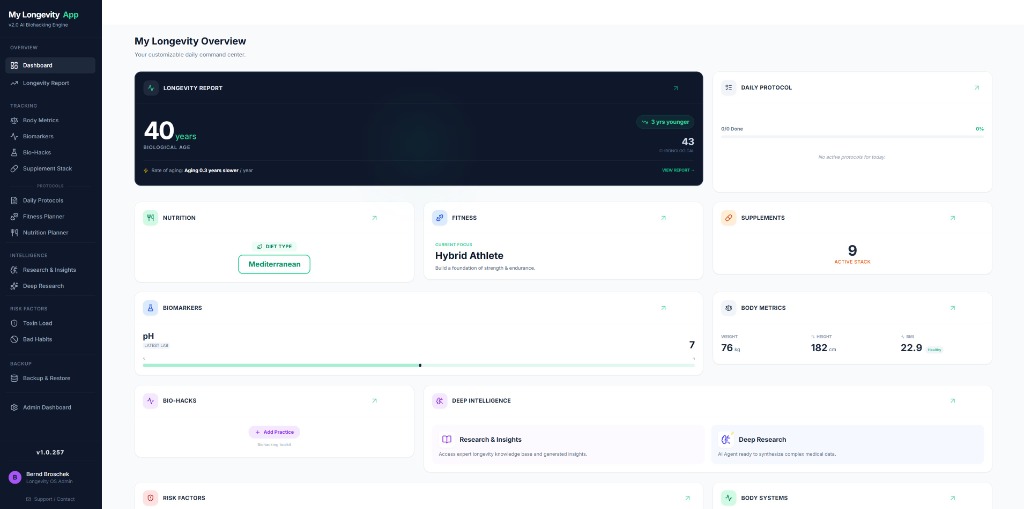
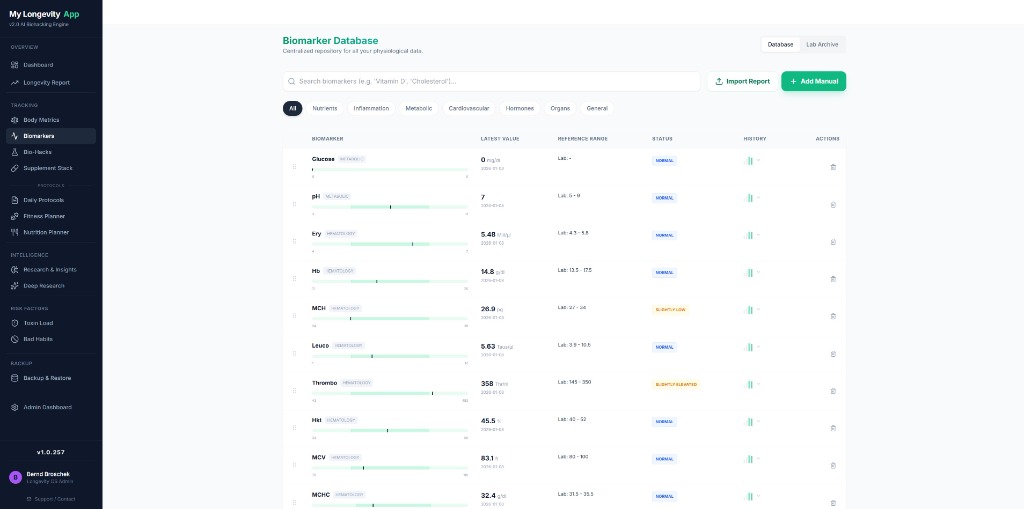
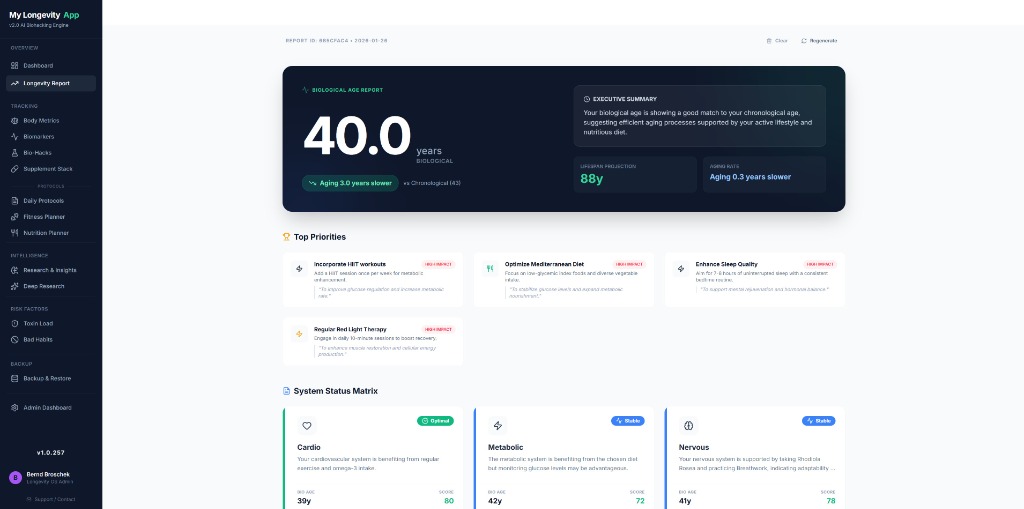
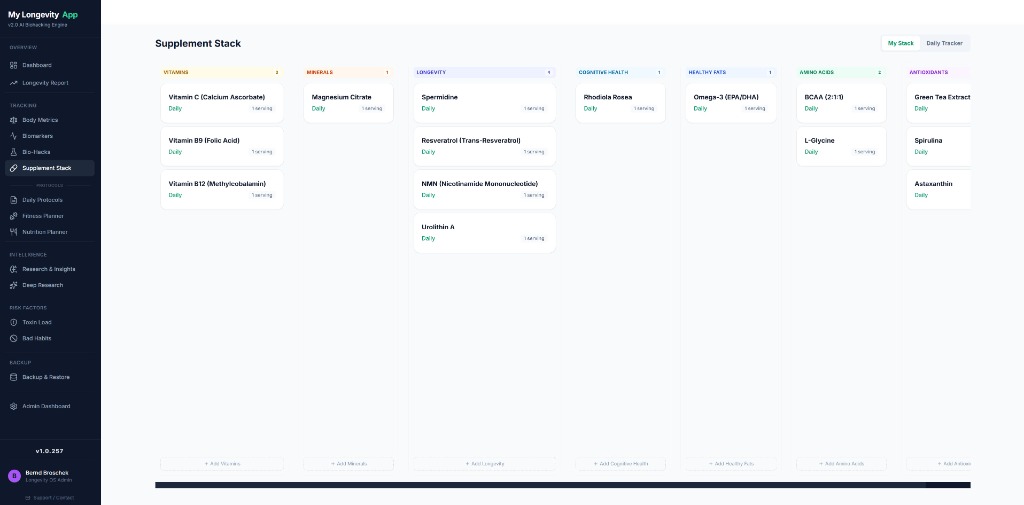
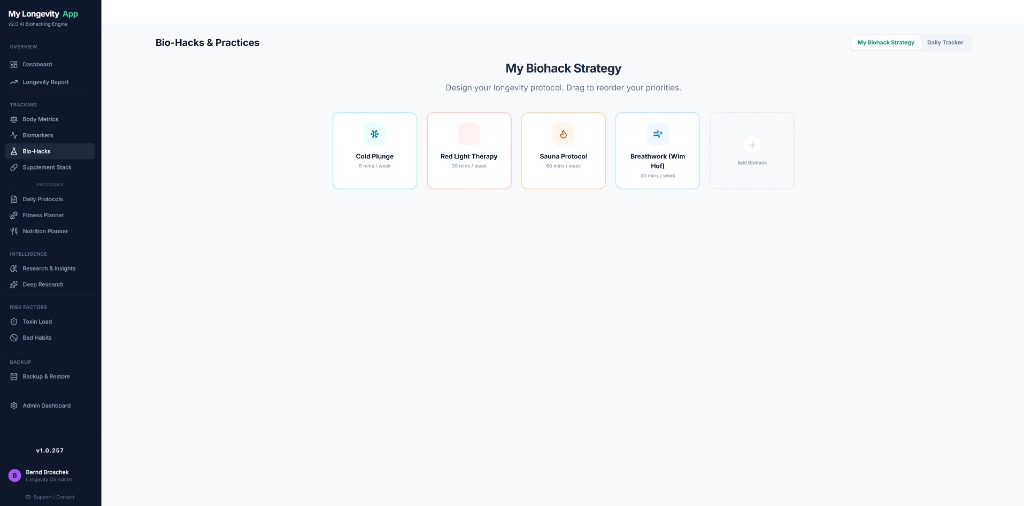
Advanced biohacking tools at your fingertips.
10 integrated modules working together.
Create your account in 30 seconds. No credit card required.
Upload blood work, track body metrics, or start with our AI questionnaire.
Receive your biological age score, personalized reports, and action plan.
Choose the plan that fits your biohacking journey.
Create a dark, cool, and quiet bedroom to enhance your sleep quality and support biohacking sleep optimization.
Stick to a regular sleep schedule by going to bed and waking up at the same times daily for better sleep regulation.
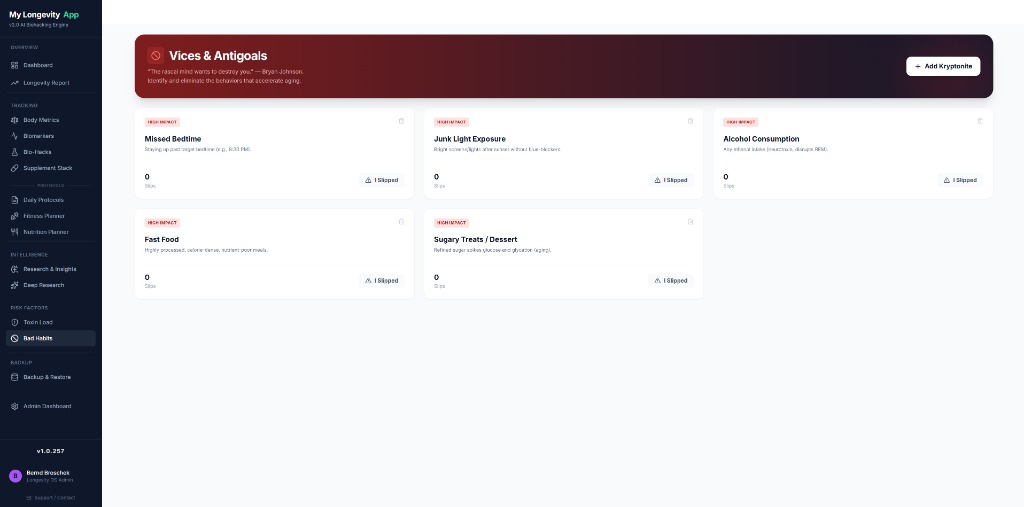
Limit screen time before bed to reduce blue light exposure, promoting relaxation and aiding in biohacking sleep optimization.
Join thousands of biohackers optimizing their health.
"MyLongevityApp helped me lower my biological age by 5 years. The biomarker tracking is a game-changer."
"Finally one app that combines supplements, blood work, and daily protocols. I love the weekly planner."
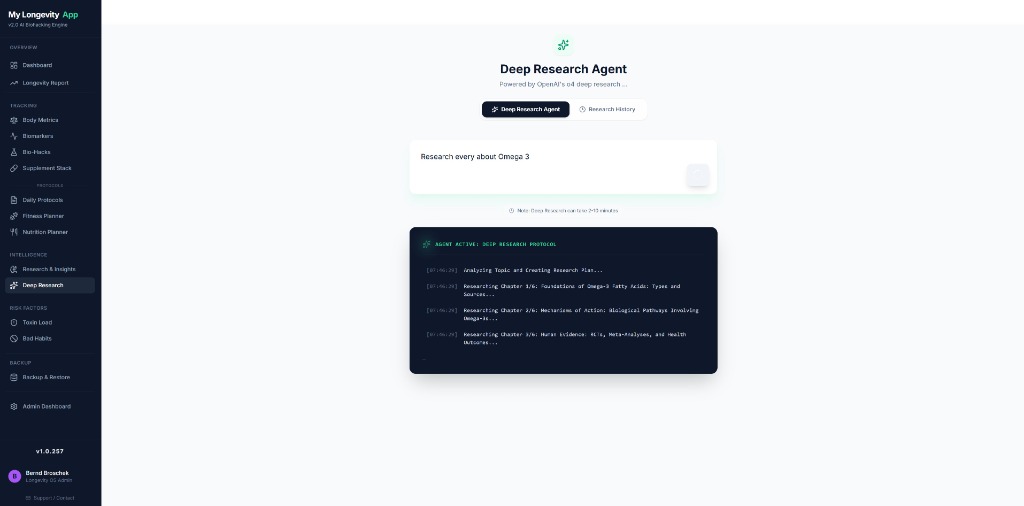
"The AI research agent alone is worth the subscription. It saves me hours of reading every week."
Enhancing sleep quality and duration is a critical aspect of longevity and well-being, and biohacking sleep optimization offers several effective techniques to achieve this goal. One of the foundational strategies is establishing a consistent sleep schedule. Going to bed and waking up at the same time every day helps regulate your body's internal clock, making it easier to fall asleep and wake up refreshed.
Environmental factors play a significant role in sleep quality. A dark, cool, and quiet bedroom can promote deeper sleep. Consider using blackout curtains, white noise machines, or earplugs to create an ideal sleep environment. Additionally, limiting exposure to blue light from screens at least an hour before bedtime can be beneficial. Blue light interferes with melatonin production, the hormone responsible for regulating sleep.
Nutrition also impacts sleep quality. Consuming a diet rich in magnesium and tryptophan can enhance sleep. Foods like nuts, seeds, bananas, and turkey can be incorporated into your evening meals. Furthermore, avoiding caffeine and heavy meals close to bedtime can prevent sleep disturbances.
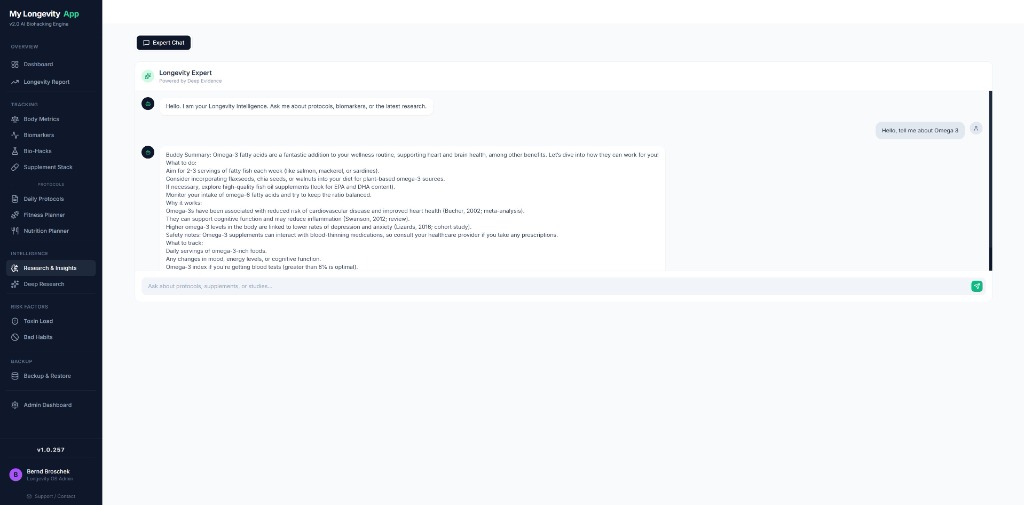
Incorporating mindfulness and relaxation techniques, such as meditation or gentle yoga, can help calm the mind and prepare the body for sleep. Tools like MyLongevityApp can assist in tracking sleep patterns and identifying factors that might be hindering your rest.
An actionable takeaway is to create a personalized bedtime routine that includes reducing light exposure, practicing relaxation techniques, and maintaining a consistent sleep schedule. By implementing these biohacking sleep optimization strategies, individuals can significantly enhance their sleep quality and duration.
The timing of light exposure throughout the day plays a crucial role in biohacking sleep optimization, significantly affecting our circadian rhythms. Our bodies are finely tuned to the natural light-dark cycle, which influences the release of melatonin, the hormone responsible for regulating sleep. Exposure to natural sunlight during the day helps promote alertness and mood, while limiting blue light exposure in the evening signals to the body that it is time to wind down.
Research indicates that morning light exposure can enhance alertness and improve mood, setting a positive tone for the day. This practice aligns with the body's natural rhythms, helping to stabilize sleep patterns. Conversely, excessive exposure to artificial light, particularly from screens, in the evening can disrupt melatonin production, making it harder to fall asleep. Incorporating practices such as using blue light-blocking glasses or dimming lights in the evening can mitigate these effects, further supporting biohacking sleep optimization.
For those seeking to refine their sleep practices, tools like MyLongevityApp can assist in tracking light exposure and sleep patterns. By documenting when and how much light you are exposed to, you can identify trends that correlate with your sleep quality.
An actionable takeaway is to commit to a daily routine that includes at least 30 minutes of natural sunlight exposure in the morning and to establish a screen-free wind-down period of at least one hour before bedtime. Implementing these habits can significantly enhance sleep quality and overall well-being.
Understanding the sleep cycle is crucial for biohackers aiming to enhance their overall health and longevity. Sleep is not merely a passive state of rest; it is an active period during which the body undergoes vital processes that support physical recovery, cognitive function, and emotional well-being. The sleep cycle consists of several stages, including light sleep, deep sleep, and REM sleep, each playing a unique role in restorative health.
For biohackers, recognizing the intricacies of these stages allows for targeted interventions that can improve sleep quality and duration. Deep sleep, for instance, is essential for muscle repair and growth, while REM sleep is critical for memory consolidation and emotional processing. Disruptions in these cycles can lead to negative health outcomes, including impaired cognitive function, weakened immune response, and increased susceptibility to chronic diseases.
Effective biohacking sleep optimization involves tailoring your sleep environment and routine to support these natural cycles. This might include practices such as maintaining a consistent sleep schedule, minimizing light exposure before bedtime, and utilizing sleep-tracking technologies available through platforms like MyLongevityApp to monitor and adjust your habits.
An actionable takeaway for biohackers is to invest in a sleep diary or a sleep-tracking app. Documenting your sleep patterns can help identify trends and potential obstacles to achieving restorative sleep. By understanding and optimizing the sleep cycle, you can significantly enhance your health, longevity, and overall quality of life.
Biohacking sleep optimization is a critical aspect of enhancing overall health and longevity. Various supplements and natural remedies have gained attention for their potential to improve sleep quality and duration. Among the most commonly recommended options are melatonin, magnesium, and herbal supplements such as valerian root and ashwagandha.
Melatonin, a hormone that regulates the sleep-wake cycle, is frequently used to address sleep disorders and jet lag. Research indicates that melatonin supplementation can effectively reduce the time it takes to fall asleep and improve sleep quality, particularly in individuals experiencing insomnia or disrupted sleep patterns. Studies have shown that doses ranging from 0.5 to 5 mg can be beneficial, although individual responses may vary.
Magnesium plays a vital role in numerous bodily functions, including sleep regulation. Evidence suggests that magnesium deficiency can lead to insomnia and poor sleep quality. Supplementing with magnesium may help to relax muscles and calm the mind, promoting deeper sleep. Various studies support its efficacy, particularly in older adults and those with sleep disturbances.
Herbal remedies such as valerian root and ashwagandha are also popular in the realm of biohacking sleep optimization. Valerian root has been shown to improve sleep quality in people with insomnia, while ashwagandha can help reduce stress and anxiety, which are common barriers to restful sleep. Scientific evidence backs these claims, with multiple studies highlighting their positive effects on sleep onset and overall sleep quality.
For those looking to integrate these supplements into their routine, it is vital to tailor the approach to personal needs and consult with a healthcare professional to ensure safety and effectiveness. Tracking sleep patterns and responses through an app like MyLongevityApp can also provide valuable insights into how these supplements affect individual sleep optimization.
As individuals embark on their biohacking journey, integrating technology or sleep tracking devices can be a game-changer for optimizing sleep patterns. Sleep is a fundamental pillar of health and longevity, influencing everything from cognitive function to metabolic health. Therefore, understanding when to introduce these tools is crucial.
Individuals should consider using sleep tracking technology if they consistently experience sleep-related issues, such as difficulty falling asleep, frequent awakenings, or excessive daytime fatigue. These devices can provide valuable insights into sleep quality, duration, and cycles, enabling users to identify patterns and triggers that disrupt their sleep. For example, a wearer might discover that consuming caffeine too late in the day negatively impacts their sleep cycles or that their bedroom environment could be improved for better rest.
Moreover, those engaged in biohacking sleep optimization might benefit from tracking their sleep during specific lifestyle changes, such as adjusting their diet, altering exercise routines, or experimenting with new relaxation techniques. By comparing sleep data before and after these changes, individuals can better assess what strategies contribute positively to their sleep quality.
Tools like MyLongevityApp can enhance this process by integrating sleep tracking data with other health metrics, offering a holistic view of wellness. Users can leverage this comprehensive information to make informed adjustments to their routines.
For a practical approach, start by selecting a sleep tracking device that suits your lifestyle. Commit to using it consistently for at least two weeks to gather sufficient data. Review the insights regularly and make one small adjustment at a time, monitoring its impact on your sleep. This methodical approach will help you refine your sleep practices effectively.
Join 10,000+ biohackers optimizing their health with AI.
Start Your 7-Day Free TrialNo credit card required. Cancel anytime.